Aerospace & Defense
From cutting hard alloys to extreme environments
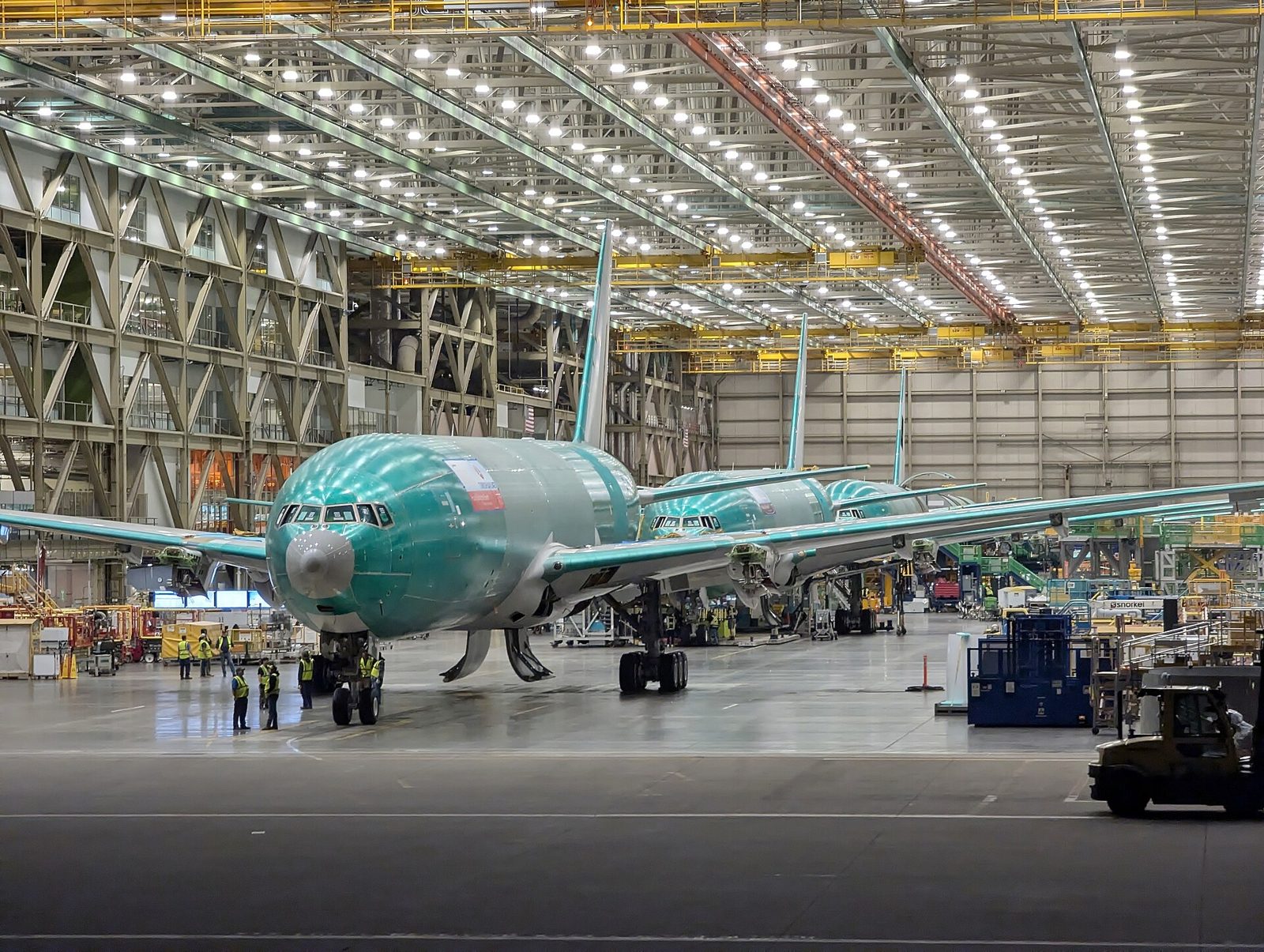
Aerospace, space and defense make parts for aircraft, launch vehicles, satellites and defense equipment from hard-to-cut materials such as titanium and nickel alloys. These parts must hold up for long periods through sea transport, vacuum, deserts and cold regions.
- 28.2%
Corrosion share of US naval aircraft maintenance
- 20.6%
US space-part quality issues tied to materials
- $1.7B
Yearly corrosion cost of US Army ground vehicles
What is aerospace parts manufacturing?
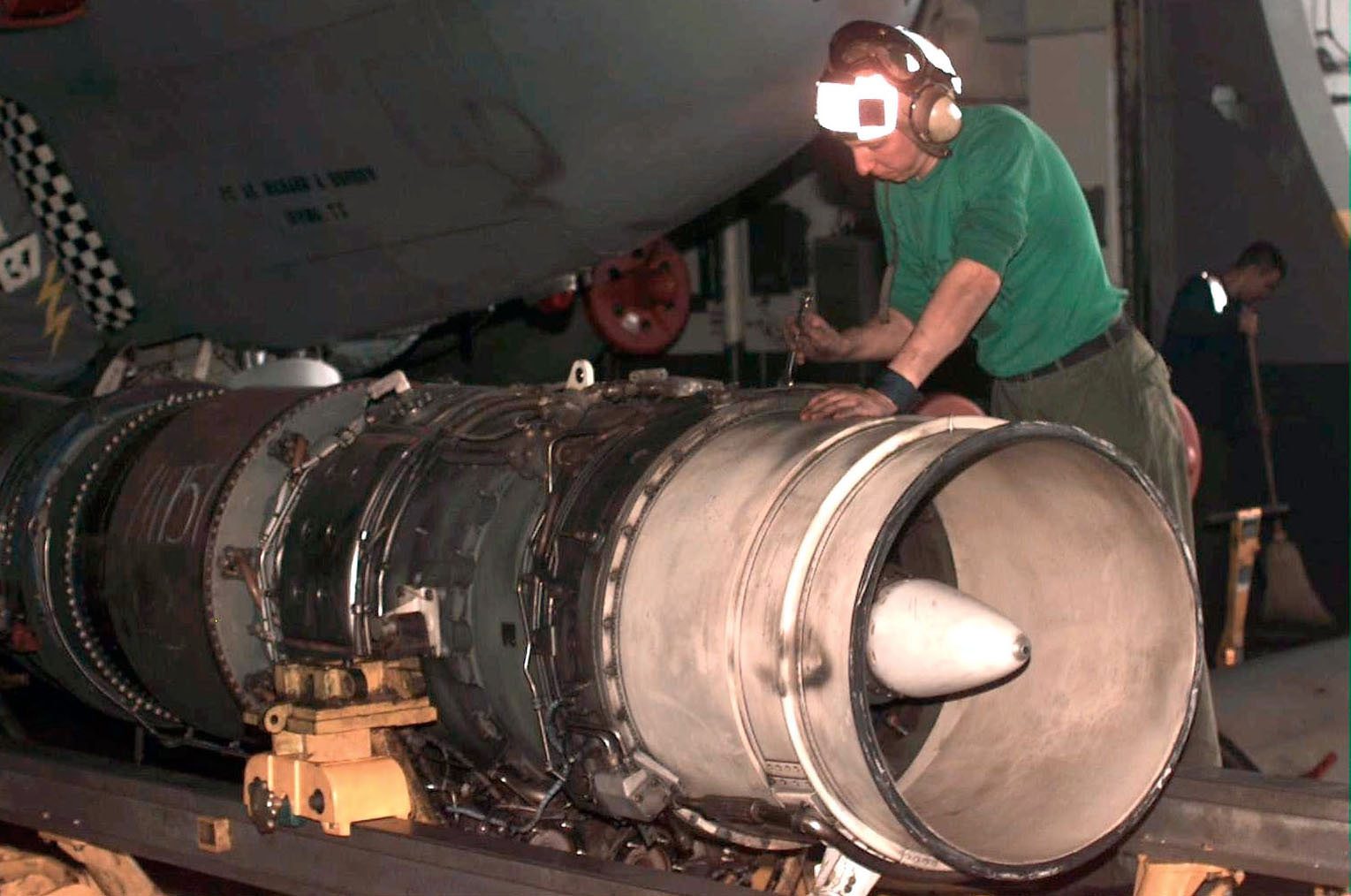
Aerospace parts manufacturing machines the components that go into engines, airframe structures, landing gear and hydraulic and fuel systems. It works with hard-to-cut materials such as titanium and nickel alloys while holding dimensions and surfaces within specification, and it continues through chemical milling, cleaning, shot peening, surface treatment and sealant application. The chemistry changes at every stage: cutting and forming lubrication, degreasing and cleaning, surface treatment chemicals, bonding and sealing, and corrosion protection.
In aerospace, problems show up late. Residue left after cleaning is invisible at the time, then appears as poor sealant adhesion or stains in surface treatment. If corrosion protection falls short, surface corrosion is found months later in the customer's warehouse. Fixing it means going back through processes that are already done. That is why we look not only at how a chemical performs but at what it leaves for the next process, and whether those conditions can be recorded.
Changing a material is not a one-step job either. It has to be on the airframe maker's approved list before it can be used, and in Nadcap-accredited stages such as shot peening and surface treatment, a change of chemical means reviewing whether accreditation can be kept. A data sheet alone does not win adoption; a track record of trouble-free supply under the same conditions has to build up. It is usually faster to plan a path that starts with small trial deliveries and increases volume in steps.
- 01
Material inspection and storage
Inconel, titanium, aluminum and other materials are received and stored until machining. Humidity and contamination can cause corrosion or discoloration. Choose a rust preventive by material compatibility, storage time and later processes.
- 02
Rough machining
The first cutting stage, where CNC machines remove bulk stock from hard-to-cut materials such as Inconel and titanium. Heat at the tool tip wears tools fast and the coolant spoils early. Choose a cutting fluid by cooling and lubrication balance and fluid life.
- 03
Finish machining
Precision cutting brings roughed parts to final dimensions and surface roughness. Micro burrs or uneven finish lead to rework. Choose a cutting fluid by surface quality, mist generation and washability after machining.
- 04
Chemical milling for weight reduction
Thin sections of aluminum and titanium are selectively dissolved in alkaline or acid etchant to make the structure lighter. Uneven etching or peeling maskant causes thickness variation and corrosion. Choose chemicals by uniformity, maskant compatibility and waste treatment.
- 05
Cleaning and degreasing
Oil, fine chips and leftover etchant are removed from surfaces after cutting and chemical milling. Poor cleaning breaks down coating adhesion, and aggressive cleaning can damage the surface. Choose a cleaner by cleaning power, compatibility and residue after rinsing.
- 06
Shot peening for surface strengthening
Metal media is blasted at high speed to put compressive residual stress into the part surface and extend fatigue life. The fresh surface has no protective film and oxidizes quickly. Choose post-treatment products by corrosion protection and compatibility with the next process.
- 07
Anodizing and Alodine surface treatment
Anodizing forms an oxide film, or chemical conversion coating adds corrosion resistance. Poor pretreatment or uneven film leads to discoloration and white rust. Choose chemicals by film properties, paint adhesion and approved specifications.
- 08
Sealant and primer application
Sealant and primer are applied to fuel tank joints and structural seams to seal them and form a corrosion barrier. Uneven thickness leads to leaks and joint corrosion. Choose a sealant by sealing performance, cure time and resistance to fuel.
- 09
Non-destructive penetrant testing
Fluorescent or dye penetrant and developer reveal defects such as surface cracks. Poor pre-cleaning or leftover penetrant leads to false indications. Choose chemicals by detection sensitivity, ease of removal and the approved procedure.
- 10
Corrosion protection and packing
Inspected parts are given corrosion protection and packed for long storage and transport. Vibration and humidity changes in transit can restart corrosion. Choose rust preventives and packaging by protection period, packing method and the customer's packaging specification.
- 11
Shipping and customer storage
Finished parts are shipped to the customer and stored until final assembly. Salt and condensation at sea can cause white rust. Choose long-term rust preventives by protection period and performance in salt environments.
What is the space industry?
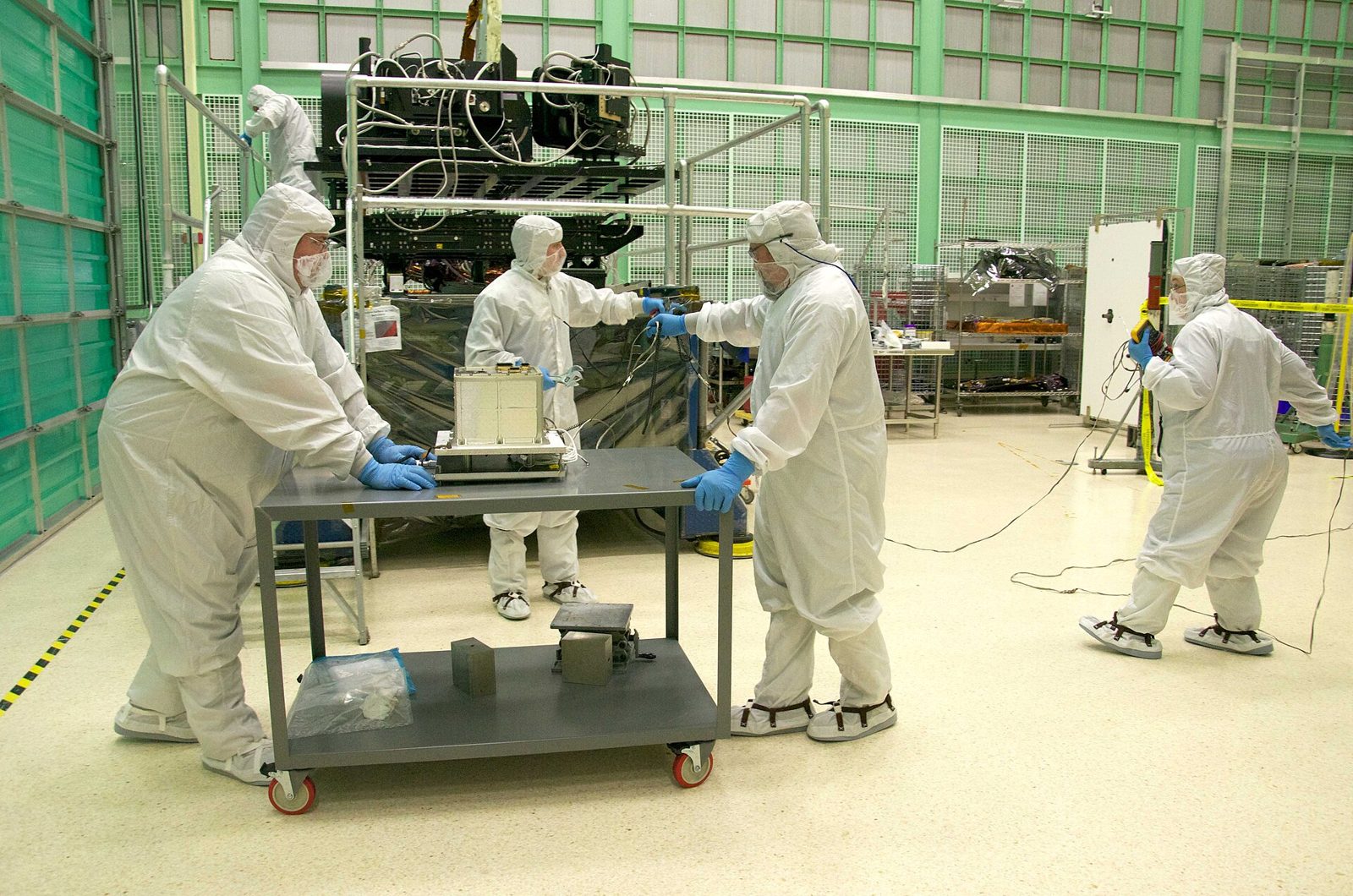
The space industry makes launch vehicles, satellites and the precision parts that go into them. Parts must survive heavy vibration and loads at launch, then keep working without maintenance in vacuum, sharp temperature swings and radiation once in orbit. Because materials such as aluminum, titanium and Invar are handled to very fine tolerances, precision cleaning, surface treatment, structural bonding and lubrication that holds up in vacuum and cryogenic conditions are at the center of the work.
In space, equipment cannot be serviced once it is launched. Contamination left on a surface or substances released from a bond line can cloud optics or seize mechanisms. So beyond chemical performance, the data must show how much a material releases in vacuum, how it reacts with other materials and what remains after cleaning. In space parts manufacturing, the first question is not which product was chosen but whether there is data showing how it behaves in the actual operating environment.
- 01
Precision machining of launch vehicle and satellite parts
Aluminum, titanium and Invar are machined into engine casings, fuel tanks, satellite structures and brackets. Heat left in the material warps thin structures out of tolerance. Choose cutting fluid by cooling-lubrication balance and material compatibility.
- 02
Precision cleaning and degreasing
Cutting fluid, coolant and metal fines are removed after machining to prepare for surface treatment. Fine particles left behind can lead to engine failure. Choose cleaner by cleaning power, rinse residue and cleanliness checks.
- 03
Conversion coating and anodizing surface treatment
Chemical conversion coating and hard anodizing are applied to gain both corrosion resistance and electrical grounding. An uneven film leads to local corrosion, and hydrogen entering the material can cause embrittlement cracking. Choose chemicals by film thickness and grounding conductivity.
- 04
Structural joining and bonding
Satellite panels and composite structures are joined with structural adhesive in place of bolts. Incomplete cure delaminates bond lines, and cracks from low-temperature brittleness remain as irreversible damage in orbit. Choose an adhesive by strength, cure conditions and outgassing data.
- 05
Sealants and electrical potting
Fuel systems are sealed and electronic parts and connectors potted against vacuum and radiation. Substances released after cure settle on lenses and sensors and cloud optics. Choose materials by sealing, insulation and cold flexibility.
- 06
Conformal coating of electronics
A thin coating is applied over circuit boards and electronic units for moisture protection and insulation. Bubbles or uneven thickness break down insulation, and substances released in vacuum contaminate optics. Choose a coating by thickness uniformity, insulation and outgassing data.
- 07
Precision lubrication of bearings, gears and actuators
Reaction wheels, gyroscopes, screws, solar array drives and optical gimbals are lubricated. Lubricant evaporating in vacuum outgasses and thins the film and speeds wear. Choose lubricant by friction and wear performance and vacuum evaporation.
- 08
Electrical contact and connector protection
Electrical connectors, slip rings and switch contacts are lubricated and protected from corrosion. Oxide or fretting wear raises contact resistance. Choose a protectant by contact resistance stability, vacuum compatibility and non-volatility.
- 09
Cryogenic lubrication of turbopumps and combustion systems
Bearings and seals in launch vehicle engine turbopumps and ground test facilities are lubricated under cryogenic conditions. Stiffened oil seizes bearings, and lost lubrication leads to rotor failure. Choose lubricant by cold viscosity and thermal vacuum stability.
- 10
Rust protection for long storage and transport
Part surfaces are protected from corrosion through storage and transport until launch. A rust preventive that releases substances in orbit contaminates lenses and sensors. Choose rust preventives by protection period, outgassing data and removal before launch.
- 11
Pre-launch environmental testing
Vibration, acoustics, thermal vacuum and radiation exposure are reproduced to confirm part integrity. Facility lubricant that evaporates can contaminate the chamber and parts. Choose chamber fluids by lubrication, vacuum compatibility and vapor pressure.
What is the defense industry?
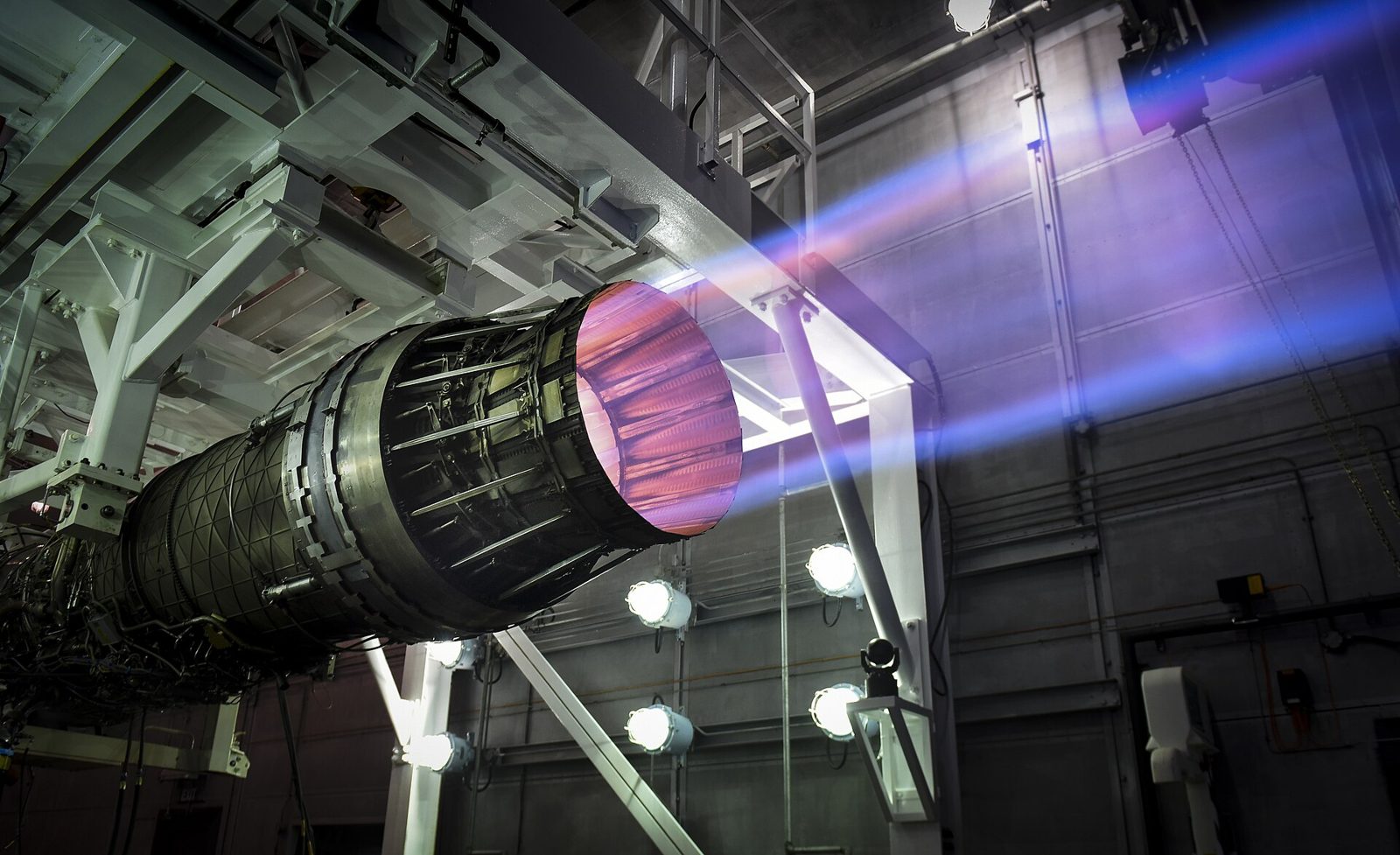
The defense industry makes equipment for national defense, such as firearms, ammunition, armored vehicles and guided weapons, and the parts that go into them. This equipment is deployed in very different environments, from desert heat to arctic cold to coastal salt, and must stay ready for immediate use for long periods after deployment. Because steel, aluminum and Inconel are machined and sheet is pressed into shape, the work calls for cutting and forming lubrication, cleaning, chemical protective films and long-term corrosion protection suited to each material.
Even after completion, defense parts spend long periods in warehouses and containers through storage, sea transport and stockpiling abroad. Corrosion or surface damage in this period degrades equipment performance and can cause problems at the buyer country's acceptance inspection. So alongside machining precision, the industry needs care that protects surface condition until delivery and a system that documents the process. Defense does not end with delivering products that meet specification; it calls for technical cooperation that looks at process conditions and storage environment together.
- 01
Metal cutting
Steel, aluminum, Inconel and other materials are turned, milled and drilled into part shapes. If cutting heat cannot escape, the cut surface roughens or heat distortion remains. Choose a cutting fluid by tool life, surface quality and fluid type restrictions.
- 02
Press and forming metal work
Sheet for ammunition cases, armor plate and similar parts is shaped by pressing, roll forming and drawing. Where loads concentrate, a broken oil film causes scratches and cracks. Choose forming oil by lubricity, release and cleaning burden.
- 03
Cleaning and degreasing
Machining oil, forming oil, chips and oxide are removed from parts to expose a clean surface. Even a little leftover oil is where corrosion starts first. Choose cleaners by cleaning power, material compatibility and oil separation.
- 04
Passivation pretreatment
Aluminum part surfaces are stripped of oxide and activated for coating adhesion. 2000 and 7000 series differ in etch rate and smut formation, so one condition set leaves stains and poor adhesion. Choose pretreatment chemicals by etching power and immersion time per alloy.
- 05
Phosphate and chromate-replacement conversion coating
A chemical protective film, from zinc phosphate to chrome-free thin films, is formed on part surfaces. If the free-to-total acid ratio or accelerator concentration in a phosphate bath drifts out of range, the film peels or leaves pinholes. Choose chemicals by thickness, adhesion and bath maintenance.
- 06
Anodizing and sealing
An anodic oxide film is built on aluminum parts and its pores are sealed to raise corrosion resistance. Short seal time or low temperature leaves pores open, leading to early corrosion at sea. Choose chemicals by film uniformity and seal quality.
- 07
Assembly and quality inspection
Cleaned parts are assembled into modules and checked for dimensions, performance, insulation and durability. With earlier films removed, any gap lets moisture in and corrosion returns. Choose assembly grease and fixing agents by fastening and operation.
- 08
Packing and primary VCI rust protection
Parts are sealed individually or as modules in VCI film, paper and emitters for long-term protection. Too little inhibitor for the package volume lets corrosion appear over time. Choose packaging by protection period, tightness and part shape.
- 09
Storage and stockpiling
Finished parts and modules are stockpiled long term in indoor and outdoor warehouses. As emitter inhibitor is used up, protection weakens. Choose rust preventives by protection period, recharge intervals and resealing.
- 10
Sea transport
Goods are loaded into containers and on pallets and delivered to the buyer country over long voyages. Combined salt, humidity and temperature change speeds corrosion. Choose the protection setup by voyage length, climate at transit ports and acceptance inspection standards.
Regulation and certification
AS9100
The quality management standard for aerospace suppliers. Cutting fluids, coatings and sealants that touch parts are often controlled through customer requirements and change management procedures.
Nadcap
An industry-run accreditation programme for special processes such as heat treatment, chemical processing and non-destructive testing. Cleaners and surface treatments in an accredited process must follow the products and controls its specification sets.
MIL specifications
Military specifications issued by the US Department of Defense (MIL-SPEC, MIL-PRF). Lubricants, greases and corrosion preventives are adopted on whether they meet the specification and, where one exists, appear on its qualified products list.
ASTM E595
A test method that measures mass loss and condensable volatiles released by materials in vacuum. Lubricants, adhesives and coatings used near satellites and optics are screened on these results.
FAQ
Tools wear fast on Inconel and titanium. Will changing the cutting fluid help?
It may not be the cutting fluid alone. These materials do not shed heat well, so cutting heat concentrates at the tool tip, and what needs fixing differs depending on whether cooling or lubrication is short. Generally, cooling is the more likely cause in high-speed ranges and lubrication in low-speed, high-load ranges.
Looking at the wear pattern narrows it down. Heat discoloration or cratering on the cutting edge points to cooling first; a rounded edge or built-up edge points to lubrication first. In some cases the same fluid improves results once concentration and nozzle position are corrected.
Stored machined parts keep getting white rust. Is a new rust preventive enough?
Changing the rust preventive sometimes helps, but if it keeps recurring, it is better to look at the cleaning stage before it as well. If the protective film goes over leftover oil or salt, corrosion can continue underneath. A thicker film only delays the problem when the cause is underneath.
Storage conditions matter too. The same rust preventive lasts different lengths of time in open storage and in sealed packaging, and VCI packaging is designed to work when sealed. Sometimes it is judged ineffective while the package is being left open.
Sea transport takes 6 to 24 months. How are parts protected during that time?
Salt and condensation act together, so rust preventive oil alone often cannot cover the period. A common setup combines VCI packaging with rust preventive wax and, depending on part shape, foam inserts or emitters. In many cases the real cause is condensation from temperature swings inside the container.
It is best to decide whether the protection must be removed after opening at the same time as the protection period. For parts where a cleaning step before assembly is hard to add, the choice narrows to products that need no removal. Confirming this later can mean redoing the packaging specification.
We want to replace a product we use now. Is there an approval process?
Only chemicals listed in the airframe maker's material specifications can touch the parts. Boeing runs BMS and Airbus runs AIMS, with SAE AMS referenced as a common standard. The three systems are independent, so approval in one is not automatically accepted in another.
On top of this sits the supplier's AS9100D system, so changing a listed specification goes through a separate procedure. That is why in aerospace, a product review often starts by checking which specification applies before looking at performance.
If a product has an outgassing test report, can it be used for space as is?
A report is measured under set test conditions, so behavior can differ if the temperature and vacuum level where the part sits are different. Even if total mass loss and collected volatile condensable materials are within limits, that alone usually does not settle adoption.
If the cure conditions of the test sample differ from the shop floor, the same product can give different values. For thick applications or lines that shorten cure time, data from samples made under those conditions is needed separately, and where a satellite maker runs its own approved list, listing is a requirement apart from the report.
How do we pick grease or solid film lubrication for satellite mechanisms?
It often depends on speed, load and number of operations. Fluid lubrication suits places with frequent rotation under load, and solid film suits places with few operations where contamination is a particular concern.
Using both within one satellite is common. Reaction wheels with frequent rotation get fluid lubrication, while deployment mechanisms that move only a few times get solid film, so each mechanism is set differently. Fluid lubrication, however, brings the need for evaporation data in vacuum, and solid film brings the chance of wear debris reaching optics.
Cleaned parts keep failing residual particle tests. Will a different cleaner help?
The cause more often lies in rinsing, drying and the work environment than in the cleaner. There are cases where cleaning itself is done but particles reattach from rinse water, drying air or packaging.
Rinse water, drying air and packaging are often the actual last source of contamination. The longer parts sit in the air after cleaning, the more particles reattach, and in some cases shortening the wait between cleaning and packing alone changed inspection results. Reviewing a cleaner change makes more sense after this stage is sorted out.
Will switching to chrome-free surface treatment lower corrosion resistance?
It tends to vary with conditions. Some formulations show similar levels under the same test conditions, while others have a narrow pretreatment window that widens variation on the shop floor.
It is good to set pretreatment conditions at the same time as the switch. With insufficient degreasing and etching, differences show more in chrome-free films, so defining immersion times per material and bath control ranges first makes the comparison accurate.
Can higher-viscosity forming oil stop scratches in ammunition case drawing?
Raising viscosity sometimes helps, but the problem often comes back. Drawing scratches can come from the oil film failing under load or from material transferring onto the die surface, and the two call for different fixes.
Looking at scratch direction and die condition shows where to act. Long scratches in the drawing direction with material galled onto the die point to extreme-pressure performance and release; scratches concentrated in one area point to oil amount and application position. It is good to account in advance for the extra cleaning burden that higher viscosity brings.
Can products that are not on the defense qualified products list not be used at all?
For items where a specification applies directly, such as surface treatment, coatings and packaging rust preventives, using listed products is close to the rule. Not every stage is bound equally, though; for chemicals that do not stay on the part, such as cutting and cleaning fluids, the customer sometimes has room to decide.
Listing applies per product, so a different formulation from the same company needs its own listing, and changing a formulation after listing restarts the approval process. That is why defense suppliers often keep an existing listed formulation rather than move to a new one that performs slightly better.
Rust shows after about six months in VCI film. Should we use thicker film?
The cause is more often the amount of inhibitor and the seal than film thickness. VCI works by filling the space inside the package, so if inhibitor is short for the internal volume or the seal leaks, thicker film alone rarely changes the result much.
Reducing empty space inside the package can work better than adding inhibitor. Filling volume with foam inserts keeps the internal concentration up with the same amount and reduces film being crushed or torn in stacking. Inserts that touch the part surface can leave marks, though, so it is best to decide the contact material and shape together.
Can chemicals we use domestically be shipped as-is with export goods?
Some ingredients may be restricted at export, so it is good to check in advance. International export control lists and the importing country's entry standards apply separately, so it is safer to check both.
Export control looks not only at ingredients but also at end user and end use, so the same product can get a different answer when the destination country changes. For items going to several countries, sorting this out once per country is safer, and doing it at the same time as receiving acceptance inspection standards keeps the schedule from slipping.