Where cutting, assembly and rust prevention repeat every day
Automotive parts, machinery and precision, rail, shipbuilding, construction and agricultural equipment. Transport equipment and machinery, where cutting, assembly and rust prevention repeat.

What sets mobility and machinery apart
Mobility and machinery covers building, operating and maintaining transport equipment and machines, and many of its sites repeat the same process over long periods. Changing a material often requires the approval of the customer or ordering party, and once a material is approved it is rarely changed.
Who approves, and how, differs by industry. Automotive parts go through the customer's production part approval, such as PPAP or VDA PPA, and its process change approval; the customer may be the vehicle maker or a higher-tier supplier. Shipbuilding and offshore follow class rules and surveys and the owner's or operator's specifications, and items that require type approval, such as ballast-tank coatings under IMO PSPC, are approved separately. Rail follows operator specifications and vehicle approval regimes, and adhesives, sealants and interior materials must meet fire safety standards such as EN 45545-2. In general machinery and precision machining, adoption depends less on approval than on the dimensional accuracy and surface finish achieved on the shop's own machines. For construction and heavy equipment and for agricultural and forestry machinery, the equipment maker's fluid specifications apply, plus sealing and water resistance in soil, water and dust, and whether the same product is available through the dealer and service network.
Where approval is required, it takes long enough that changing materials is itself a cost. Mapping first which specifications and approvals the current product is tied to lets you narrow the candidates within those limits.
- Manufacturers that do not train on lubrication as often as needed63%
Industries in this group
Automotive Parts
From press lines to export packaging for sea freight
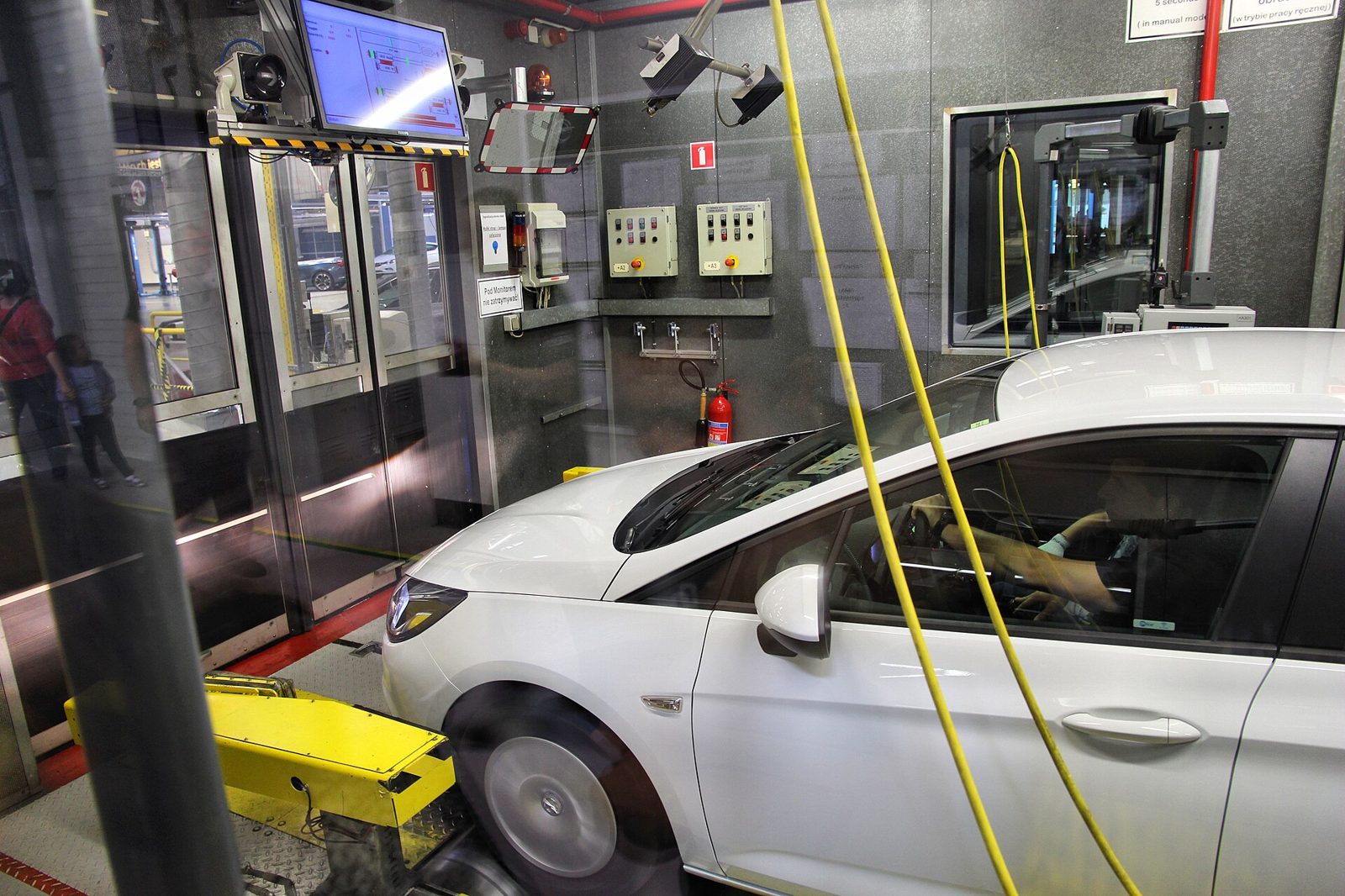
Auto parts manufacturing mass-produces the components that make up a finished vehicle, such as body panels, suspension parts, drive shafts and brake and steering parts. The same parts are made over and over under the same conditions while dimensions, surfaces and corrosion resistance must stay the same every time, so reproducing process conditions without drift is essential.
- Sheet metal forming
- Cutting and turning
- Heat treatment
- In-process part storage
- Cleaning
- Surface treatment
- Painting
- Sealing and structural bonding
- Transport and storage
Machinery & Precision Machining
From mold machining to rust protection for sea freight
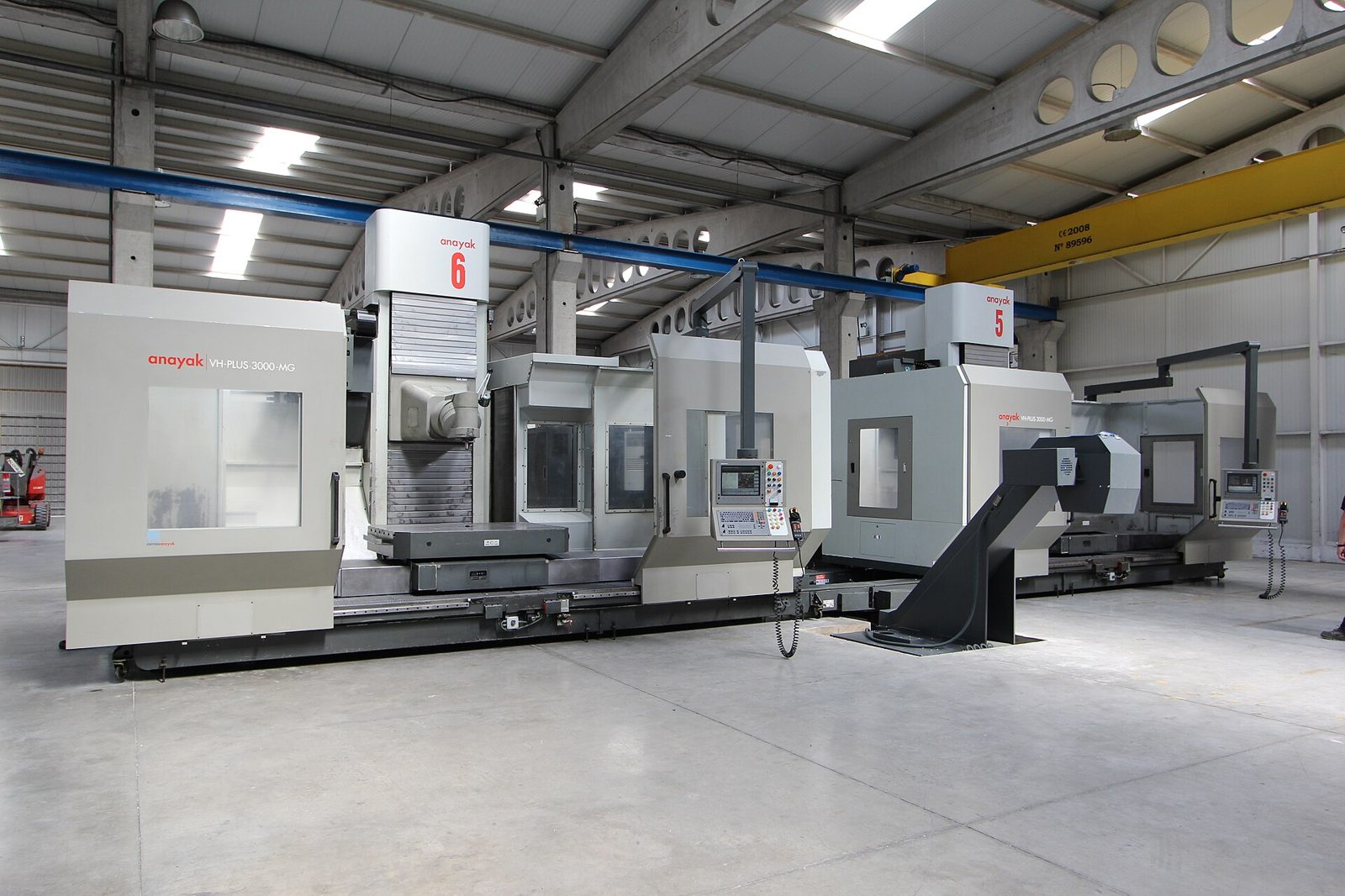
General machinery and precision machining makes machines and parts that become production equipment for other industries, such as machine tools, molds and hydraulic components. The precision of the molds and parts made here sets the upper limit of quality for the next industry, so fine dimensional errors and surface condition must be held continuously.
- Mold design and machining
- Rough machining
- Heat treatment and quenching
- Finish machining
- Threading and tapping
- Grinding
- In-process ultrasonic cleaning
- Post-machining corrosion protection
- Final assembly and shipping
Rail
From car body forming to rail friction management
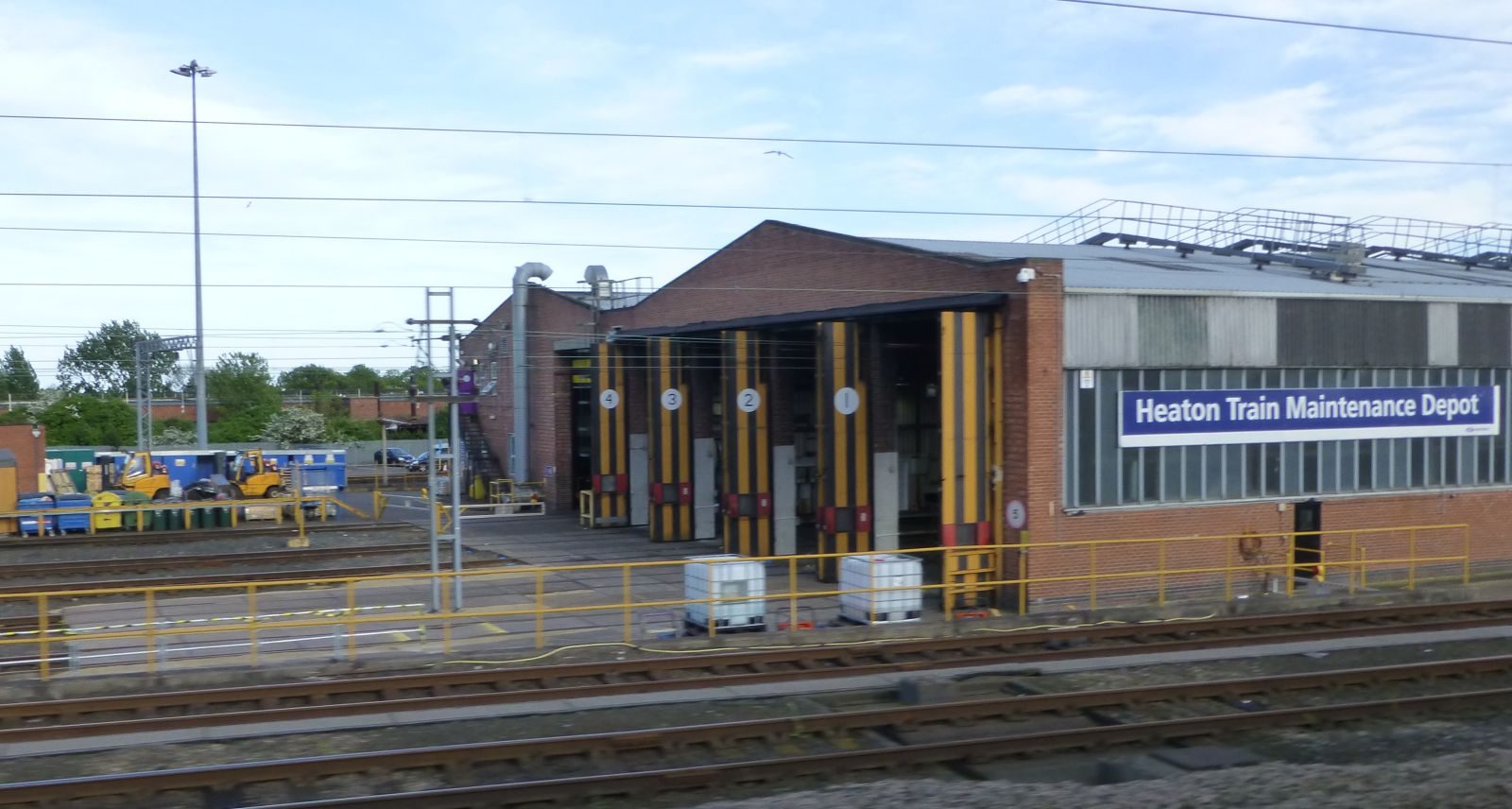
The rail industry builds rolling stock such as commuter trains and high-speed trains, and operates and maintains them on track over long periods. Trains must depart on schedule every day, and they carry many points where metal keeps touching metal, such as wheels and rails and current collectors, so wear, noise and friction management decide service quality.
- Steel sheet cutting and press forming
- Machining and welding
- Surface treatment and anticorrosion coating
- Assembly and inspection
- Axle bearing and gearbox lubrication
- Wheel flange and rail gauge face lubrication
- Top of rail friction management
- Pantograph and door mechanisms
- Scheduled vehicle maintenance
- Long-term storage and transport protection
Shipbuilding & Offshore
From steel cutting to delivery at sea
Shipbuilding and offshore builds large structures used at sea for long periods, such as merchant ships, special vessels and offshore plants. A finished ship operates for decades under salt, moisture and wave loads, so corrosion resistance and structural strength must both be secured at the construction stage.
- Steel cutting and machining
- Sub-assembly and block welding
- Block surface preparation
- Block painting
- Erection and final hull painting
- Propulsion shafting and rudder installation
- Piping and machinery outfitting
- Deck machinery and rigging outfitting
- Commissioning and machinery testing
- Final inspection and acceptance
- Delivery at sea and long-term preservation

Construction Equipment
From hydraulic oil filling to formwork release
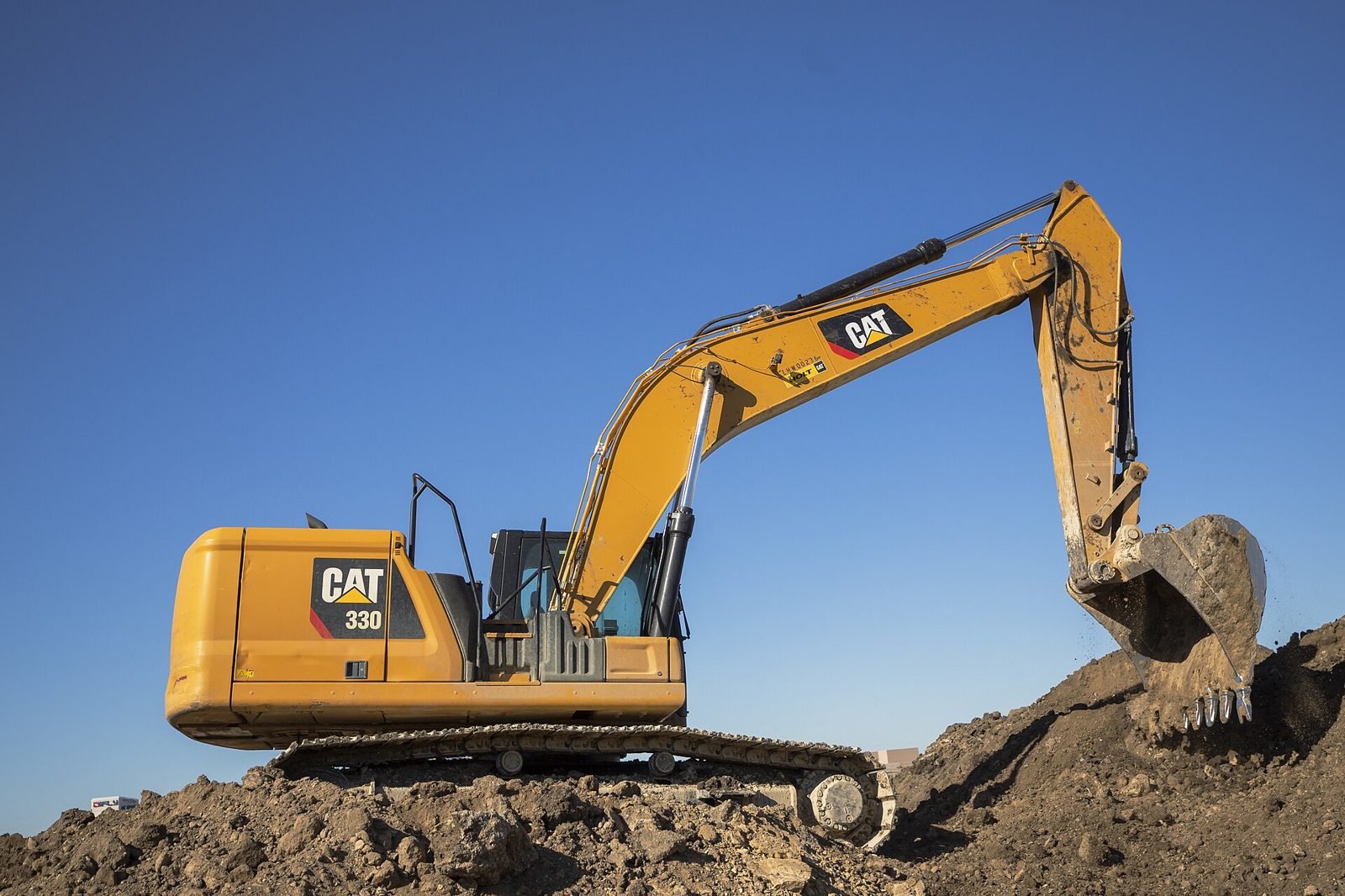
Construction and heavy equipment builds large machines that move soil and rock, such as excavators, loaders and cranes, and supplies them to job sites. This equipment takes dust and mud directly, goes through summer and winter temperature swings, and must deliver high force all day; when it stops, the construction schedule stops too.
- Material and part machining and receiving
- Hydraulic system assembly and filling
- Slewing ring and bearing greasing
- Crawler track drive lubrication
- Diesel engine assembly and filling
- HVAC system charging
- Load testing and acceptance
- Painting and surface treatment
- Packing and shipping
- Concrete formwork construction
- Asphalt paving
Agricultural & Forestry Machinery
From hydraulic oil filling to 24 months of storage overseas
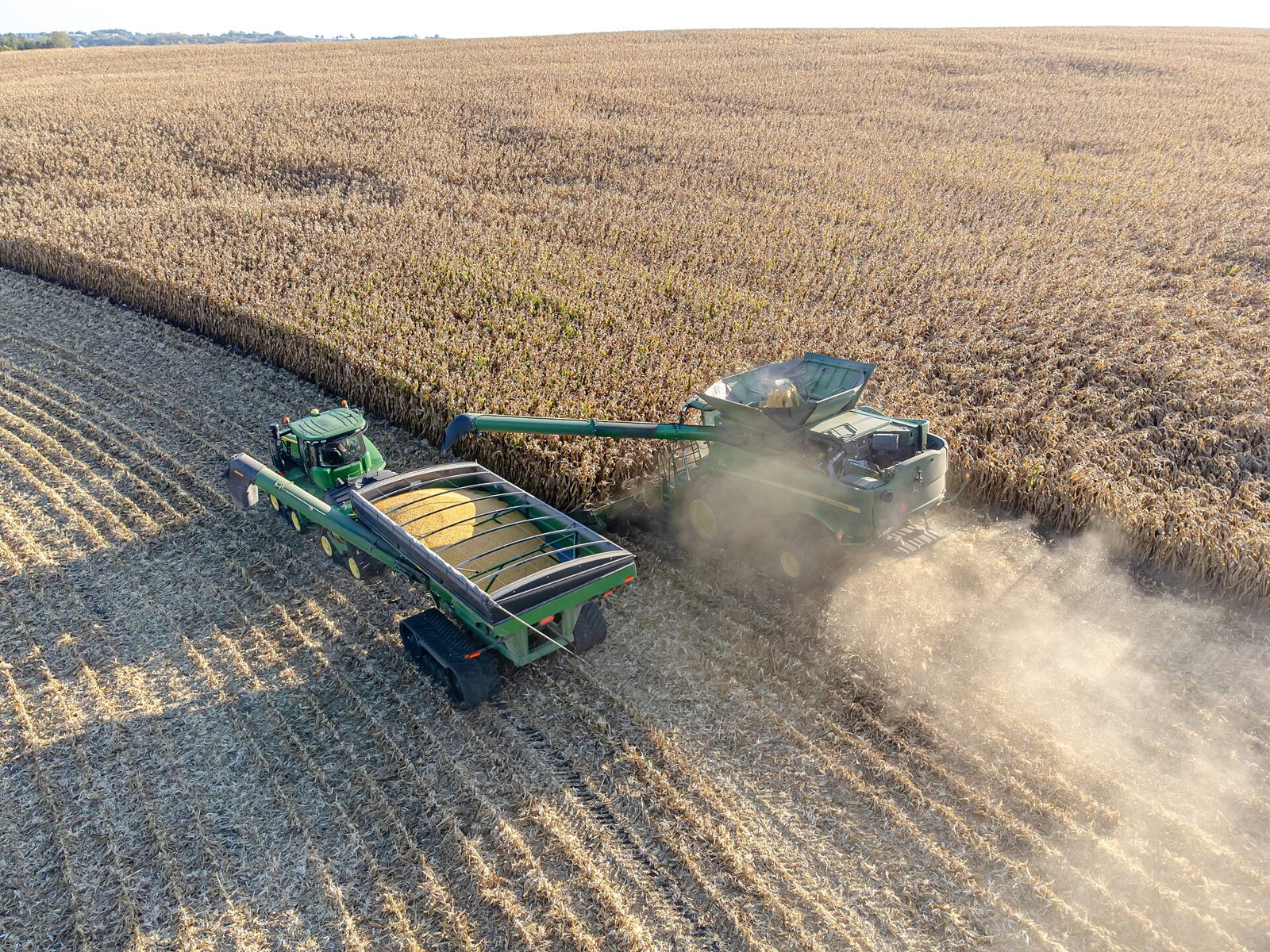
Agricultural and forestry machinery manufacturing makes machines that work in fields and forests, such as tractors, harvesters, chainsaws and fellers. These machines are covered in soil, water, fertilizer and pesticide, run at different temperatures each season, and are often parked for months before being used again.
- Engine assembly and initial oil fill
- Transmission and axle assembly
- Hydraulic system assembly
- Centralized lubrication and drive chain lubrication
- Bearing and implement head greasing
- Cooling system coolant fill
- Biodegradable lubrication for forestry machinery
- Rust protection for exterior metal
- Cleaning and residue removal
- Transport and long-term storage protection
FAQ
Does changing cutting fluid, cleaner or rust preventive require PPAP notification?
Start by asking whether the material stays on the delivered part. Rust preventives, assembly lubricants, sealants, adhesives and coatings remain on or become part of the product, so they are often treated as a material change that requires customer notification, and the customer then decides whether a new submission is required. The AIAG PPAP manual lists the use of a construction or material other than the one in the previously approved part, a change of supplier for parts, non-equivalent materials or services such as heat treating and plating, and product and process changes to components made in-house or by suppliers among the changes that require customer notification.
Process consumables that are removed, such as cutting fluids and cleaners, may not count as a material change, but they can still be a process change. If they can affect a characteristic on the drawing or in the customer specification, such as surface roughness, residual oil, technical cleanliness or paint adhesion, the change falls under IATF 16949 change control and the customer-specific requirements. Under the VDA PPA procedure, the supplier works through whether the change affects legal requirements, fit, form, function, reliability, safety or the customer's own processing to decide whether the customer must be involved. Process materials that do not reach the customer with the product generally fall outside the PPA procedure itself, but a change to the documented content of the approved production process still has to be assessed. Before switching, confirm the requirements and CSRs the customer applies.
When in doubt, get written confirmation from the customer's supplier quality engineer before switching. A change made without notification becomes a finding in its own right once any problem appears, whatever the actual root cause. Recording process capability and inspection results before and after the change on the same basis also makes the submission package easier to put together.
An approved product is causing problems. What do we check before replacing it?
Check whether the operating conditions still match those at approval. After approval, conditions drift far more often than products do. For a cutting fluid that means concentration, make-up water quality, tramp oil load and sump cleaning interval; for rust prevention it means drying after washing, dwell time and the temperature and humidity where parts are stored. It is also common to find that the material lot, machining parameters or equipment changed while the fluid stayed the same.
Where approvals apply, replacing a product is a project measured in months. If the cause is in how the product is managed, a replacement costs the approval effort and the same problem comes back. Narrowing down when the problem started, on which machine or line and with which lots usually separates a product problem from a conditions problem.
If the evidence points to the product, ask the supplier for the certificate of analysis of the lot in question and a comparison against retained samples. A product can keep its name while its raw materials or formulation change. Where the supply or quality agreement requires change notification, the supplier must report such a change in advance; if yours does not, add the clause. If you do decide to switch, change one variable at a time and keep baseline data from the current product so the results can be compared.
For a line machining one part for years, central coolant or individual sumps?
A central system's large volume keeps concentration and temperature stable, and filtration, tramp oil removal and testing happen in one place. The downside is that a leak or a bacterial bloom that starts at one machine travels through the piping to every machine, and dumping the whole charge costs so much in fluid and downtime that it is rarely an option. A central system therefore has to be designed for long life from the start, with filtration, tramp oil removal and microbial control built in.
Individual sumps contain a problem to one machine and allow different products for different materials. Their small volume, however, lets evaporation and dragout move concentration quickly, makes them sensitive to summer temperature rise and contamination, and multiplies testing and top-up work by the number of machines. Without people who will test consistently, the advantages of individual sumps disappear quickly.
Either way, on a long-running line the coolant becomes part of the validated process. Rather than dumping on a calendar date, set control limits for concentration, pH, tramp oil, microbial counts and conductivity from baseline data and act when a limit is crossed; this disturbs the process less. When the charge is replaced, clean the biofilm out of pipes and tank walls with a system cleaner, or the fresh fluid is contaminated from day one.
How long can parts wait before assembly, and how is rust prevention built into it?
Wait times are usually set by logistics rather than by a quality requirement, so start by finding the real worst case. Once weekends, holidays, line stoppages and transfers to another plant or customer are included, the actual wait is often far longer than planned. Also check whether parts are staged near dock doors or anywhere else with large temperature and humidity swings.
The protection method follows from the next process. If parts are washed again before assembly, the protective film must come off in that washer; if they go straight to assembly, the remaining film must not interfere with assembly lubricants, sealants or cleanliness requirements. Relying on the inhibitor in the coolant only works for short waits, and adding an inhibitor to the washer's final rinse leaves a thinner film than a separate rust preventive but protects for a shorter time.
A more reliable check is to leave parts in the real staging location, in the most humid season, for the longest expected wait. Set the allowed wait from that result, mark parts with their machining time and run them first in, first out, so any rust can be traced. Define the procedure for parts that exceed the allowed time, such as rewashing and re-protecting them, so the floor does not have to decide case by case.
How do e-axle oils differ from gear oils, and suit copper windings and insulation?
Where the motor and gearbox share a housing, or oil cools the motor directly, the fluid touches not only gears but copper windings, enamel insulation, sensors and wiring, and polymer parts. Some extreme-pressure and antiwear additives that protect gears, particularly active sulfur and phosphorus chemistry, can corrode copper at temperature, and dissolved copper in turn accelerates oil oxidation. The pull between gear protection and copper compatibility is the main difference from a conventional gear oil.
Electrical properties are a new requirement as well. As the fluid ages or picks up water, conductivity rises and insulation performance falls, and in some designs the fluid also influences current passing through bearings and the damage it causes. Where a design uses low viscosity for efficiency and cooling, the fluid's ability to carry heat away from the motor and gearbox has to be weighed together with gear and bearing film thickness.
ASTM D130 copper strip corrosion is the baseline, but it is rated visually and run without applied current, so it does not show corrosion under current flow or the formation of conductive deposits. Vehicle and driveline makers therefore often require their own tests, such as resistance change of energized copper wire, conductive deposit formation and compatibility with enamels, polymers and seals. Electrical properties are checked with tests such as ASTM D1169 for resistivity and ASTM D1816 for dielectric breakdown voltage. Both in product selection and at service, the specification named by the driveline manufacturer governs; do not top up with a conventional ATF or gear oil because it looks similar.
Which bearing grease for muddy, pressure-washed excavators and tractors?
Pressure washing drives water past lip seals into bearings. Spraying cold water on a housing that is hot from operation also makes the air inside contract and draw water in. Grease that takes on water either emulsifies and softens or hardens, and the raceways suffer rust and wear at the same time.
When comparing greases, put the water-related data side by side: water washout to ASTM D1264, water spray-off to ASTM D4049, rust protection under wet conditions to ASTM D6138, and mechanical stability after water is worked in. These results vary widely by thickener type, and some families, such as calcium sulfonate complex, are known for water resistance.
Practice matters as much as product. Regrease after washing to purge the water that got in, and keep the nozzle off the seals. When moving to a grease with a different thickener, check compatibility because some combinations soften badly when mixed, and shorten the regreasing interval until the old grease has been fully purged.
What is an EAL for stern tube and deck machinery, and what to check converting?
An environmentally acceptable lubricant is one used where oil meets the sea and can escape, such as stern tubes, thrusters, rudders and deck machinery, and its basic requirements are that it is biodegradable, has low aquatic toxicity and does not bioaccumulate. Base fluids include vegetable oils, synthetic esters, polyglycols, and polyalphaolefins and related synthetic hydrocarbons; for hydraulic fluids, ISO 15380 divides these four families into the HETG, HEES, HEPG and HEPR categories and sets the properties each must meet. Each family differs in cold flow, oxidation stability, sensitivity to water and compatibility with seals and paints, so two EALs can behave very differently.
Environmental labels are the usual evidence for a biodegradability claim. The EU Ecolabel, for example, assesses excluded substances, aquatic toxicity, biodegradability and bioaccumulation, renewable ingredients and minimum technical performance together, and sets different requirements according to how much of the lubricant reaches the environment: total loss, partial loss or accidental loss uses. Schemes differ in what they assess and how they divide uses, so look beyond the label name to the use category the product was certified for and whether it matches where you intend to use it. Which discharge rules apply in the waters of operation, and what they require, has to be checked separately at the time of use.
The most common problem when converting from mineral oil is compatibility. Esters and polyglycols can swell or damage some seals, hoses, paints and varnishes, so confirm approval from the seal maker and the equipment maker first. Residual mineral oil undermines the basis for a biodegradability claim, and conventional polyglycols are not miscible with mineral oil, so drain and flush before filling and follow the equipment or fluid maker's limit on residual oil. A stern tube is a place where seawater can get past the seals, and vegetable oil and ester fluids hydrolyze into acids and age faster when water gets in, so track water content and acid number together through regular oil analysis.
How to choose block-stage shop primer, and its effect on welding and coating?
Shop primer is a thin temporary coat applied to blasted steel plate to hold off rust through the months of cutting, welding and block assembly. Because cutting and welding are done straight through it, film thickness is the key variable. Too thick, and the zinc vaporizes into weld porosity, slower cutting and more fume; too thin, and the plate rusts in outdoor storage. Holding each product's specified thickness window is the core of quality control.
Classification societies approve shop primers separately for weldability, so check that the product and thickness you intend to use fall within that approval. In areas covered by IMO PSPC, such as ballast tanks, the shop primer must be an inhibitor-free zinc silicate type or equivalent, with compatibility with the main coating system confirmed by the coating manufacturer. If it has not passed prequalification with that system, at least 70% of the intact shop primer must be removed to Sa 2 at secondary preparation, so this choice drives the amount of secondary blasting. Changing the shop primer can affect both the welding procedures and the coating specification.
For the coating that follows, the problems are the zinc salts and chlorides that build up on the primer during outdoor storage, and the areas burnt or damaged by welding and cutting. Painting over zinc salts weakens adhesion, so remove them by fresh-water washing or sweep blasting, and give weld seams and damage secondary surface preparation to the grade the specification sets. The longer blocks sit outdoors, the more the extent and records of secondary preparation decide coating quality.
Why measure soluble salts before coating ballast tanks, and what is the limit?
Soluble salts left under a coating draw water through the film by osmosis, causing blistering and underfilm corrosion. Blasting can bring the surface to the visual cleanliness grade while salts stay lodged at the bottom of pits, so salt has to be measured separately from the cleanliness grade.
IMO PSPC, which applies to dedicated seawater ballast tanks in ships of 500 GT and above and to double-side skin spaces of bulk carriers 150 m and longer, requires Sa 2½ cleanliness to ISO 8501-1, a surface profile of 30 to 75 µm and soluble salts no higher than 50 mg/m² as NaCl. Salts are usually sampled with the Bresle method of ISO 8502-6 and measured conductometrically to ISO 8502-9. Epoxy-based systems are applied to a nominal dry film thickness of 320 µm under the 90/10 rule, and the records go into the Coating Technical File reviewed by class and flag.
PSPC sets the same salt limit at primary preparation and again after secondary blasting or grinding. Because blocks stored outdoors pick up salt again from sea air, the reading taken after secondary preparation, shortly before the main coat, is the one that decides. Exceeding the limit means fresh-water washing and re-measuring, with reblasting where flash rust appears or the surface grade is lost. During application, also log that relative humidity is no higher than 85% and that the steel is at least 3 °C above the dew point.
How do flange lubrication and top-of-rail friction differ, and why keep them apart?
The two zones want opposite friction. Where the wheel flange slides against the rail gauge face in curves, lower friction means less flange and gauge-face wear and less flanging noise. At the tread and rail head, where the wheel rolls, traction and braking depend on adhesion, so friction must not be removed. Top-of-rail friction modifiers aim for an intermediate friction level that reduces corrugation, rolling contact fatigue, curve squeal and lateral forces while keeping adhesion.
That makes flange lubricant migrating onto the rail head the event to guard against most. Lubricant on the running surface causes wheel slip and slide and can lengthen braking distances. The usual causes are excessive application rate, misaligned on-board nozzles or wayside applicators, and product flow behavior that changes with rain and temperature. The two products differ in composition and purpose and cannot substitute for each other.
In Europe, the EN 15427 series covers flange lubrication and top-of-rail friction management, with separate parts for equipment and application and for materials. Outside Europe, infrastructure manager and operator specifications govern. In practice, start by checking application rate and placement regularly, and review rail head condition downstream of applicators alongside wheel slip records. Any change of product or applicator means rechecking operator approval and maintenance rules.
How does EN 45545-2 apply to sealants and adhesives used on rolling stock?
EN 45545-2 sets a hazard level from HL1 to HL3 from the operation and design categories of EN 45545-1, and assigns a requirement set to each product according to where and how it is used on the vehicle. The same sealant can face a different requirement set and different tests depending on whether it sits in the interior, on the exterior or inside electrical equipment. Sealants and adhesives are often assessed to R22 for the interior or R23 for the exterior, the sets used for seals and for non-listed products with an exposed area of 0.2 m² or less, which cover oxygen index to EN ISO 4589-2, smoke density to ISO 5659-2 and smoke toxicity. When they become part of an interior or exterior surface, sets such as R1 or R7 apply, which add flame spread to ISO 5658-2 and heat release to ISO 5660-1.
Where they go into a listed component, sealants and adhesives are assessed as part of that component rather than on their own. Testing a specimen that reflects the real thickness, substrate and layup, such as a floor composite or an interior panel, is what makes the result representative. Small unlisted items are handled by grouping rules based on exposed area, combustible mass and distance to other combustibles within 20 mm horizontally and 200 mm vertically. A group with no more than 100 g of combustibles inside or 400 g outside carries no requirement, up to 500 g inside or 2000 g outside one product must meet R24, and above that the non-listed requirements such as R22 or R23 apply, so work out whether they apply together with the vehicle builder.
The practical point is that one test report does not cover every use. A pass for one requirement set and hazard level cannot be carried over to another set or a higher level, and when the standard is revised you need to know which edition the operator requires. Even a switch to a product with the same classification means the vehicle builder's fire safety documentation must be updated, and North American projects bring in NFPA 130 and operator specifications as well.
To meet VDA 19.1 or ISO 16232 cleanliness, what matters in washing and coolant?
VDA 19.1 and ISO 16232 define how particles are extracted from part surfaces by pressure rinsing, ultrasonics, agitation, internal rinsing or similar methods, collected on a filter and evaluated by weight and particle size distribution. Customer limits are often set on the largest particle or the number of metallic particles rather than the total mass, because a single hard particle can jam a valve or damage a bearing.
The sources are usually the same: chips and burrs trapped in blind and cross bores, fines carried back by poorly filtered coolant, washer baths loaded with particles and oil, drying and handling after washing, and fibers from packaging. Parts that were clean right after washing often fail at shipping, which is why VDA 19.2, covering assembly and packaging environments, belongs in the picture too.
On the floor, check washer bath particle load, oil content and filter condition regularly, and confirm the nozzles actually create flow inside cross bores. A tacky rust preventive applied after washing will catch airborne dust, so the film's character affects cleanliness results as well. Verify the blank value of the extraction procedure first, or the measurements cannot be trusted.