Chemistry for operations and maintenance
Thermal and nuclear power, wind, solar and hydrogen, refining and petrochemical plants, mining and cement, data centers. Industries centered on operations and maintenance chemistry.
What sets energy and infrastructure apart
Energy and infrastructure covers equipment that runs for long periods, such as power plants, process plants and data centers. Because downtime is costly, change intervals and condition monitoring weigh heavily in product selection.
What comes first differs by facility. Thermal and combined-cycle plants need turbine lube and control oils that meet the turbine maker's specifications, feedwater treatment for boilers including heat recovery steam generators (HRSGs), and cooling water treatment. Nuclear plants involve turbine lubrication and the water chemistry of the reactor coolant, feedwater and steam systems, but first impose limits on halogen, sulfur and low-melting-point metal content in chemical products that contact components and systems. Wind needs lubricants that last a long time in the nacelle and hub, where technicians cannot climb often. Solar needs module cleaning that does not damage the anti-reflective coating and protection of outdoor connectors within the connector maker's instructions, plus drive lubrication at plants with trackers. Hydrogen brings concerns about leakage in high-pressure systems and at cryogenic temperatures in liquefaction, and about material compatibility, including hydrogen embrittlement. Refining and petrochemicals involve high-temperature, high-pressure operation with flammable materials, and corrosion protection during shutdowns. Mining and cement face dust and shock loads, and cement adds high temperatures around the kiln. Data centers look at dielectric properties and fire safety wherever fluids contact energized parts, as in immersion cooling; at water quality in water-based cooling; and at material compatibility and heat-transfer performance.
For fluids that fill a system, such as lubricants and insulating or cooling fluids, products that last long within the equipment maker's approvals and whose condition can be checked by analysis have the advantage. Using fluid analysis to schedule changes in advance gives more room to respond within planned maintenance rather than through an unplanned stop.
- Power companies with regular technical care from their supplier25%
Industries in this group
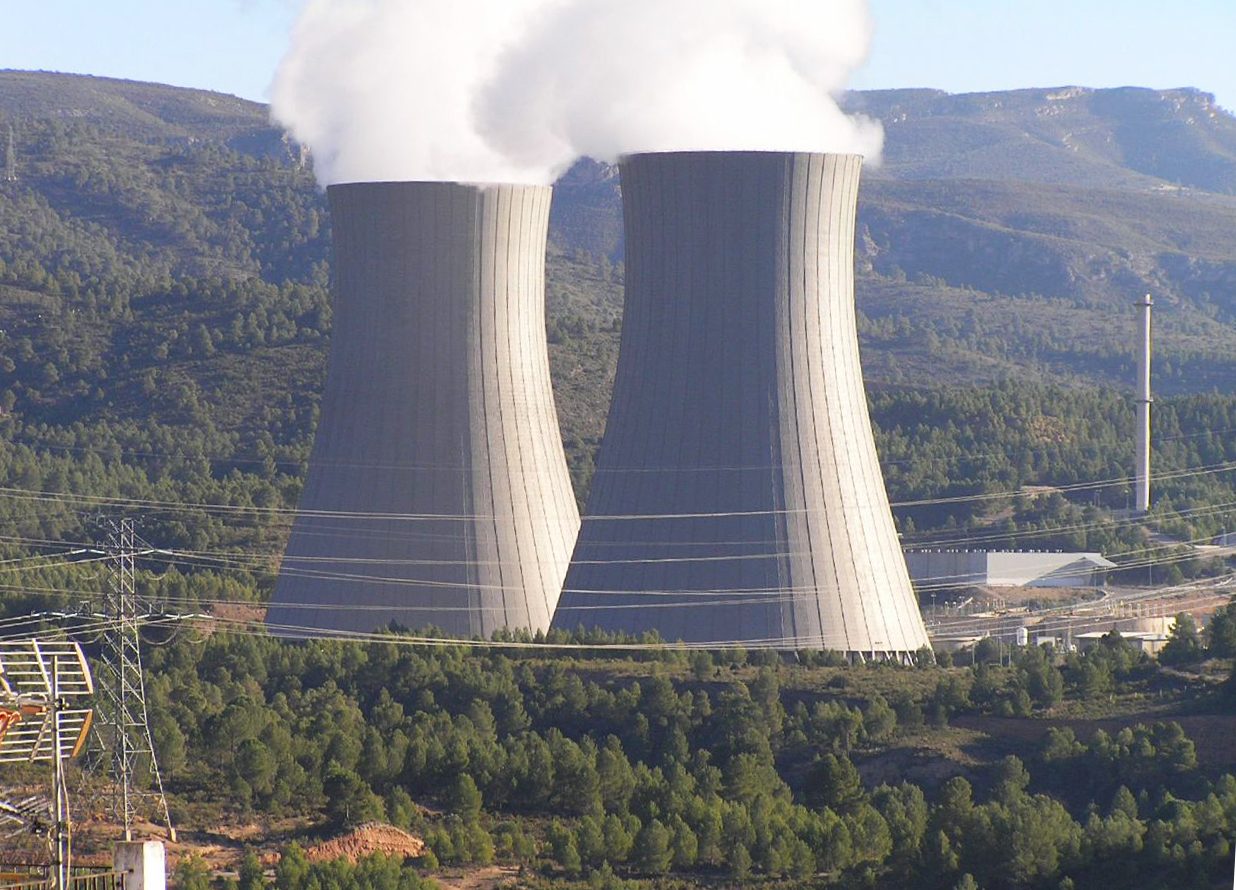
Thermal & Combined-cycle Power
From ultrapure makeup water to cooling tower blowdown
Thermal and combined cycle power generation produces electricity by driving turbines with high-temperature, high-pressure steam and combustion gas from burning fuel. Plants must keep planned operating schedules, and unplanned outages are costly, so the condition of water and oil circulating through the systems must be held constantly.
- Makeup water pretreatment
- Condensate purity control and recycling
- Boiler feedwater deaeration
- Feedwater pH control and FAC suppression
- Boiler water phosphate treatment
- Turbine lubrication in operation
- Condenser cooling water treatment
- Cooling tower cycles control and blowdown treatment
Nuclear
From large forgings to system water chemistry
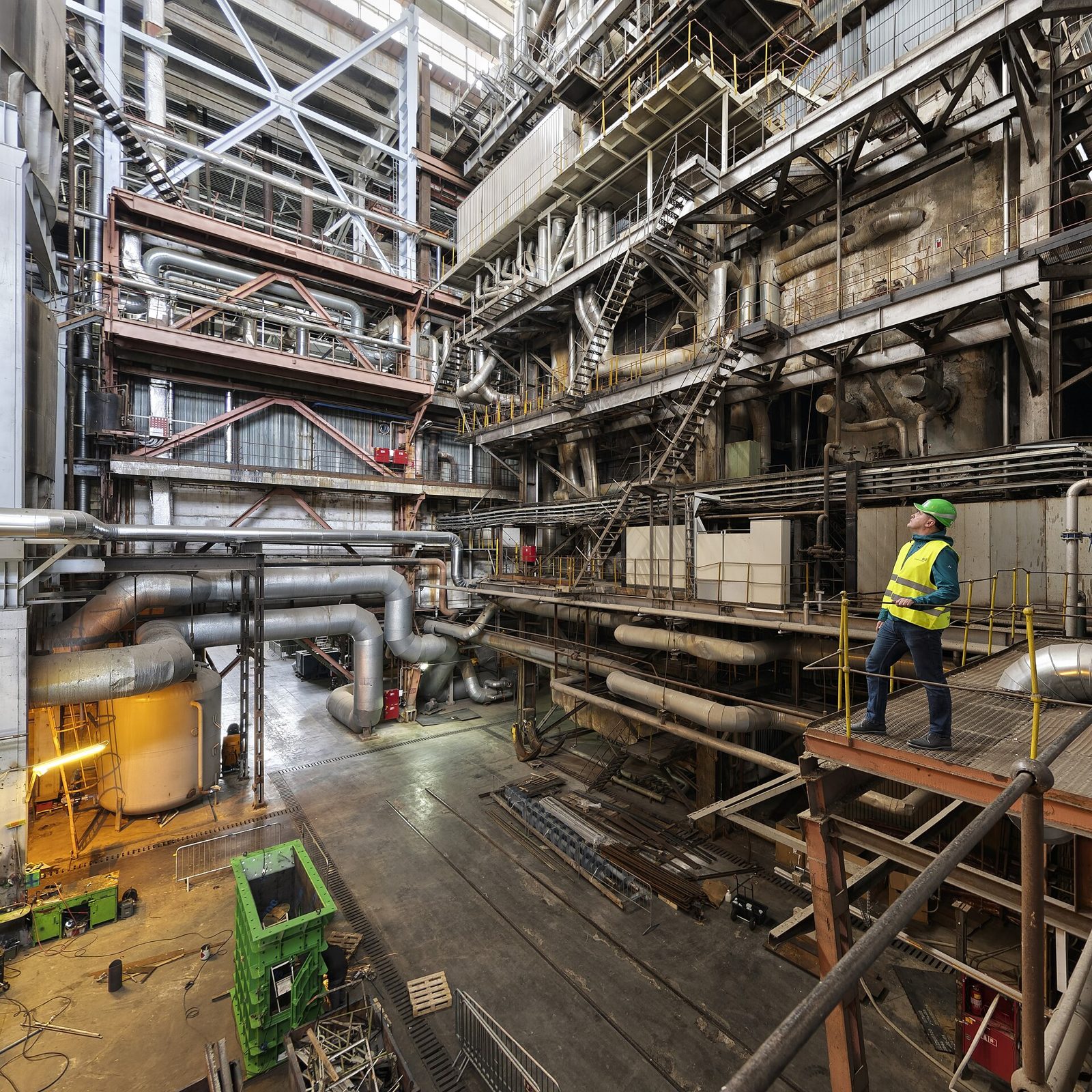
The nuclear industry makes large components such as reactor vessels and steam generators, builds power plants, and after completion manages system water and equipment through long operation. Safety-related parts must withstand high temperature, pressure and radiation for decades of operation, so material history and defect control follow them from start to finish.
- Material forging and initial machining
- Precision machining
- Welding and cladding
- Non-destructive testing
- Hydrostatic testing
- Final part cleaning and drying
- Rust protection and long-term storage packing
- Cleaning before site entry
- Pre-operational chemical cleaning
- Primary system water chemistry
- Secondary system water chemistry
Wind
From blade molding to 10 years of maintenance-free lubrication
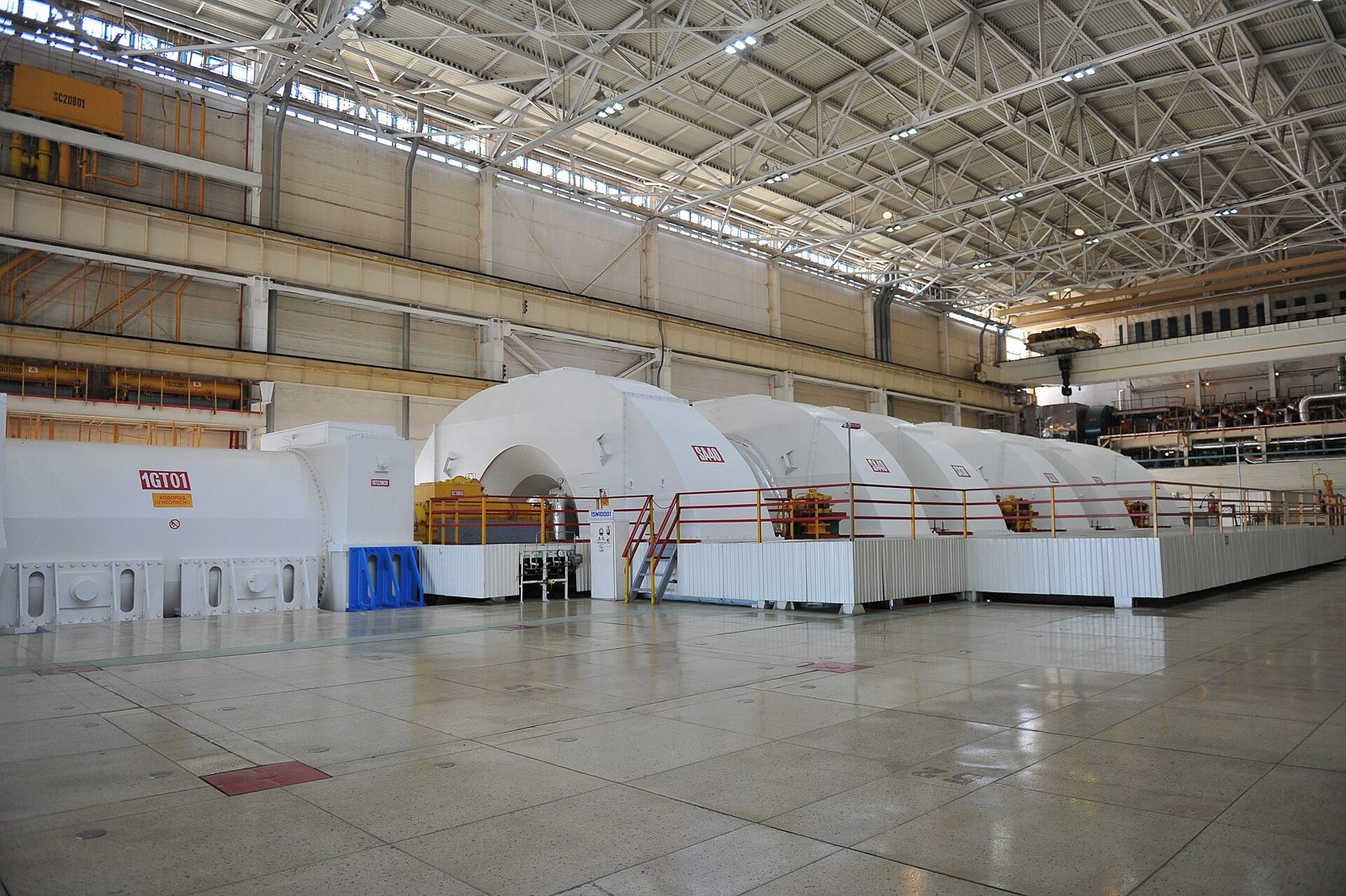
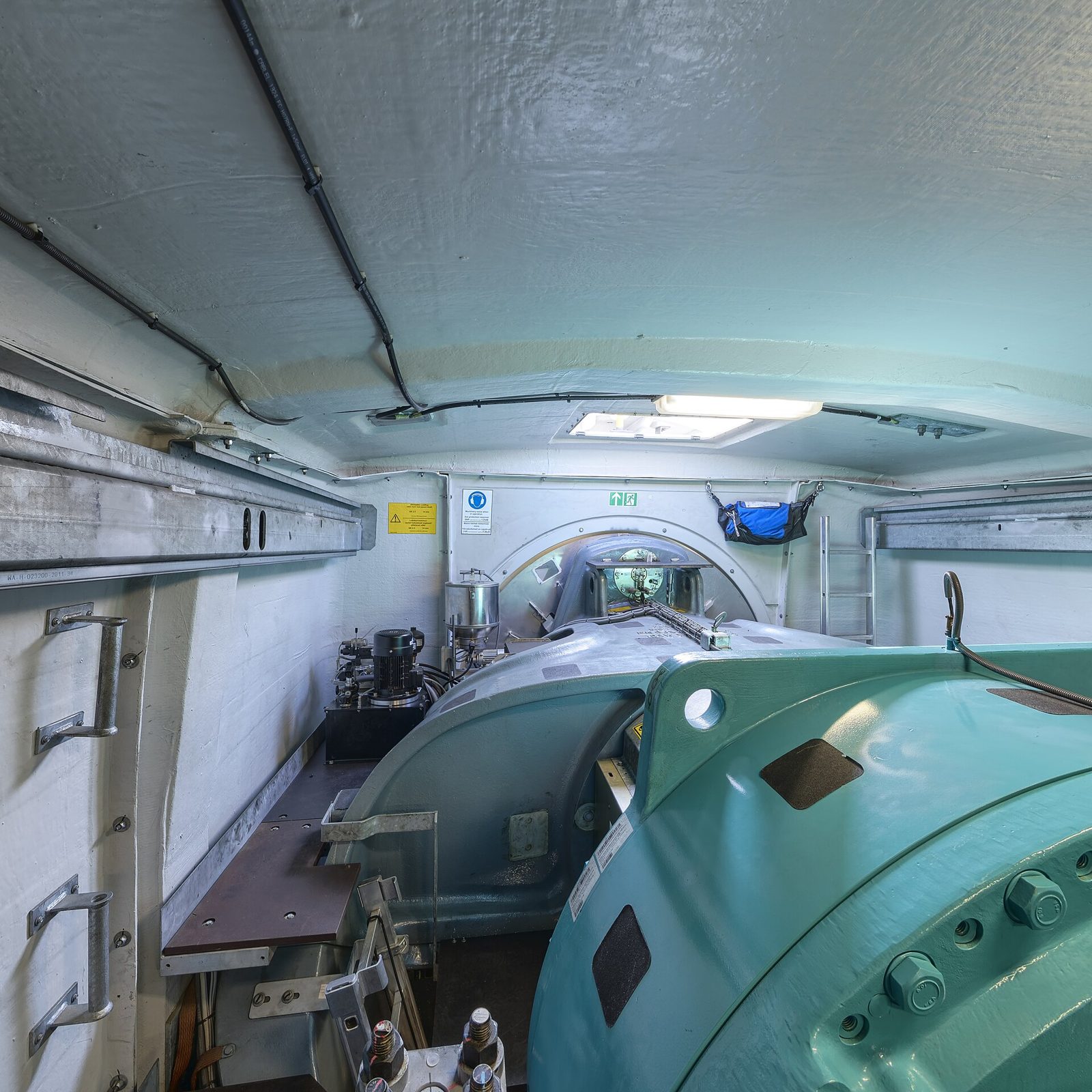
Wind power builds turbines that turn generators with wind, the towers and substructures that hold them up, and operates them over long periods. Once erected, equipment must last its design life in sea wind and salt, and the nacelle is a place people cannot easily climb to often.
- Blade layup and resin infusion molding
- Blade surface finishing
- Blade structural bonding
- Tower and component steel machining
- Surface treatment and rust protection
- Substructure assembly
- Main gearbox oil lubrication
- Main and generator bearing grease lubrication
- Pitch and yaw bearing and open gear lubrication
- Transport and storage
- Wind farm operation and maintenance
Solar
From ingot slicing to 25 years of panel maintenance
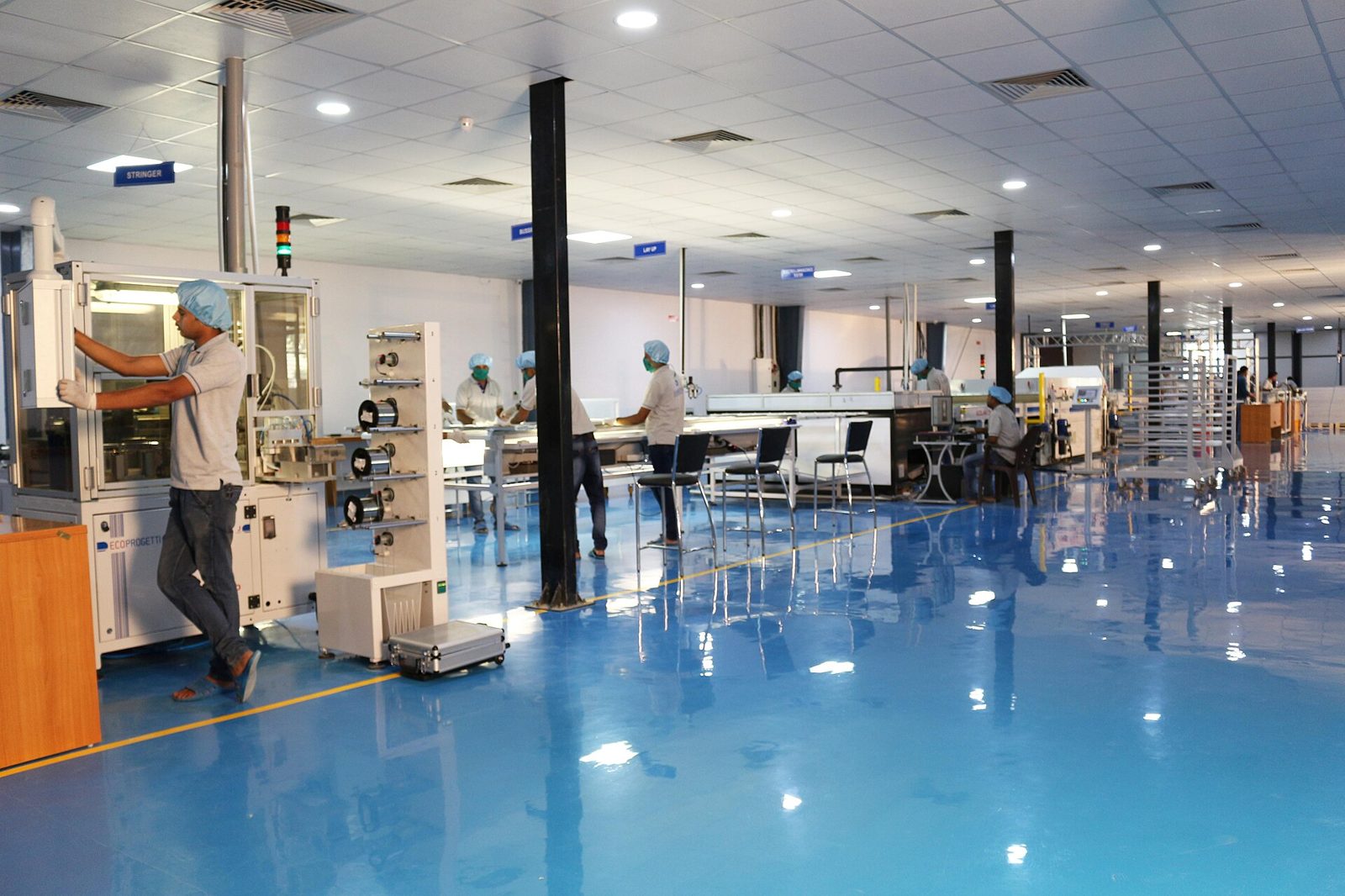
The solar industry makes cells from silicon wafers, assembles them into modules, and builds and operates generating facilities with those modules. Modules must stay in place for over twenty years fully exposed on roofs and fields, so care after installation drives output as much as cleanliness and sealing in manufacturing.
- Ingot slicing
- Wafer and cell cleaning
- Module assembly
- Panel import and storage
- Installation and mounting
- Tracker drive lubrication
- Commissioning and performance verification
- Routine panel cleaning
- Fault diagnosis and repair
Hydrogen
From electrolyzer stacks to liquefaction at minus 253 degrees
The hydrogen industry produces hydrogen by splitting water with electricity or reforming feed gas, then compresses or liquefies it for storage and transport, supplying fueling stations, power facilities and industrial processes. Hydrogen molecules are small and leak easily, reduce the ductility of metals at high pressure, and in liquefaction temperatures fall to around minus 253 degrees Celsius.
- Electrolyzer stack reaction
- Hydrogen compression for dispatch
- High-pressure compression for fueling stations
- Hydrogen liquefaction
- Liquid hydrogen storage
- Fueling and dispensing
- Fuel cell power generation
- Industrial hydrogen use
Refining & Petrochemical Plants
From valve cleaning to preserving idle equipment
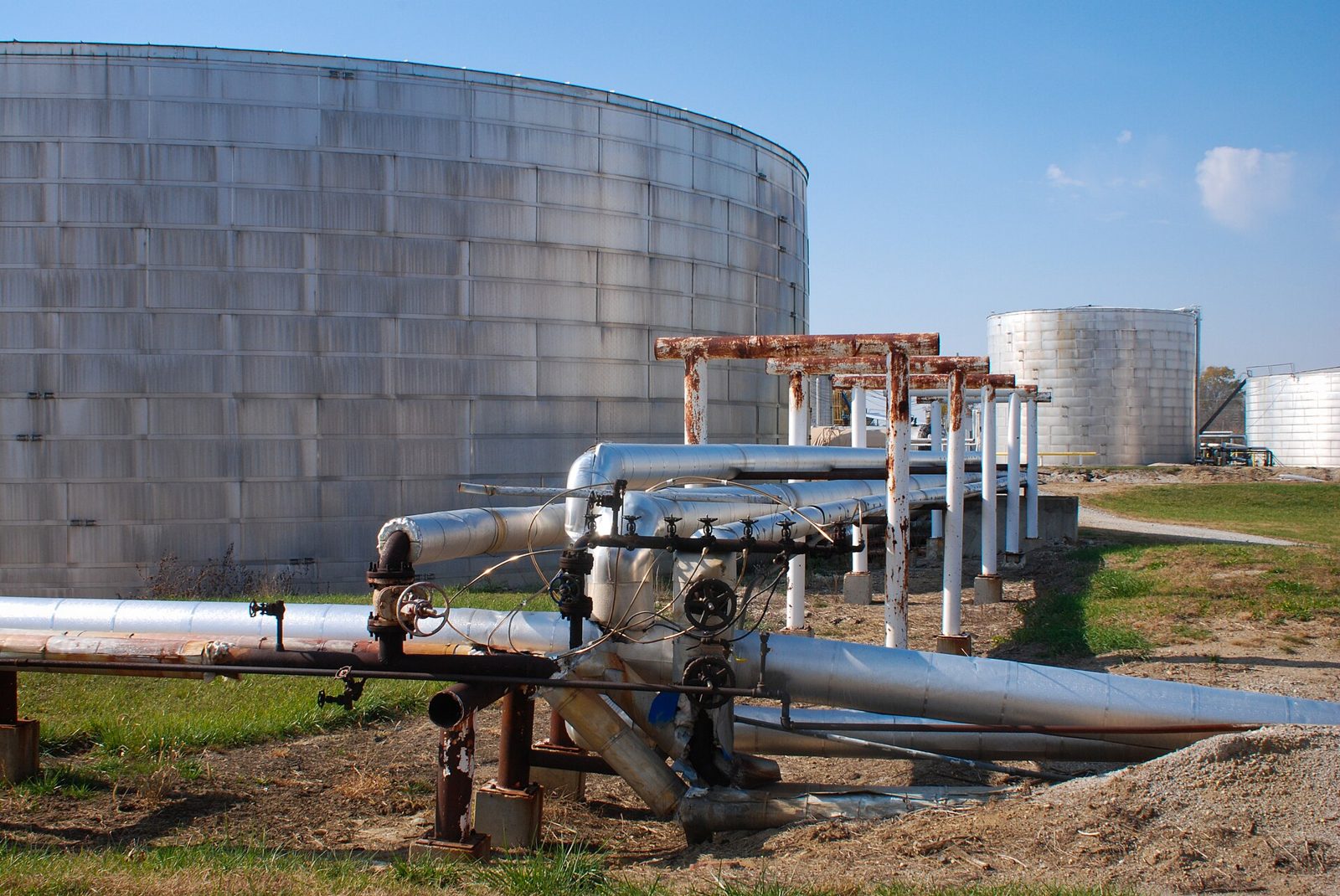
Refining and petrochemical plants refine and crack crude oil and naphtha into fuels and basic chemicals. Equipment handles flammable materials at high temperature and pressure, so even small leaks or contamination become safety issues at once, and once built, plants run through many turnaround cycles.
- Metal cleaning and surface treatment of equipment
- Assembly with sealants and lubrication
- Hydrostatic testing and corrosion inhibitor dosing
- Drying and fogging of voids
- Nitrogen blanketing and VCI film packing
- Certified lubricants for gas and oxygen piping
- Precision lubrication and condition management of rotating equipment
- Preservation of equipment during turnarounds
- Corrosion management of spares in storage
- Equipment export and long sea transport
Mining & Cement
From the quarry face to kiln open gears
Mining and cement quarries limestone, crushes and grinds it, and burns it at high temperature to make the base material for construction. Large crushers, mills and rotary kilns run day and night amid stone dust and heat, so results depend on how long equipment can run without stopping.
- Quarrying and blasting
- Primary crushing
- Raw material blending and grinding
- Burning and kiln drive
- Clinker cooling
- Finish grinding
- Compressed air system
- Storage, packing and shipping

Data Centers
From site preparation to continuous operation
The data center industry builds servers, power and cooling equipment for large-scale computing in one place and operates them without interruption. As compute density has risen, so has heat, and cooling has widened from air to circulating liquids and immersing equipment in fluid.
- Site selection and civil works
- Modular rack and piping assembly
- Chip and server level thermal material application
- Cooling fluid filling
- On-site installation and piping connection
- Continuous GPU and server operation
- Fluid sampling and quality analysis
- Maintenance and parts replacement
- Cooling fluid disposal and replacement
- Risk assessment and insurance

FAQ
Why does varnish form when our turbine oil still has plenty of RPVOT life left?
RPVOT (ASTM D2272) measures the oxidation resistance remaining in the oil. It says nothing about how much degradation product has already accumulated. Many turbine oils combine aminic and phenolic antioxidants, and as those antioxidants are consumed their breakdown products stay dissolved and become varnish precursors. A healthy RPVOT and a growing varnish problem can coexist.
Varnish precursors stay in solution while the oil is hot and drop out in cooler zones such as servo valves and bearing housings, or during long shutdowns. Electrostatic discharge across high-flow filters and adiabatic compression of entrained air in pumps and other high-pressure zones add local hot spots, so the system matters as much as the oil.
Start trending Membrane Patch Colorimetry (MPC) by ASTM D7843 and antioxidant levels by linear sweep voltammetry (ASTM D6971) alongside RPVOT. If MPC keeps climbing, consider electrostatic or adsorbent-based conditioning that removes dissolved degradation products, and check filter elements for anti-static design and the reservoir for adequate air release.
What do we set up first to move from fixed-hour to condition-based oil changes?
Start with a new-oil baseline. Keep a sample from the same batch and measure viscosity, acid number, RPVOT, MPC, antioxidant level, water content and ISO 4406 cleanliness. Without that reference, absolute numbers are hard to interpret because different products start from different values.
ASTM D4378 gives the framework for mineral turbine oils in steam, gas and combined cycle turbines, and ASTM D6224 for auxiliary power plant equipment oils: which tests, how often, and what triggers action. The warning levels in these standards are indicative. The turbine OEM's limits come first, and the decision rests on the trend of RPVOT, acid number, MPC and antioxidant level read together, not on RPVOT alone. On top of that, set your own alert and action levels for each machine type, duty and make-up rate.
Let the trend set the sampling interval. Stretch it while results change slowly and tighten it once a parameter reaches the alert level, so you can decide whether the change fits the next planned outage. Predicting the change date in advance is the real payoff of condition-based management.
Can we use detergents or pressure washers to clean solar modules?
Check the module manufacturer's installation and maintenance manual first. Many manufacturers restrict cleaning agents, water pressure and tools, and damage from methods outside the manual can count against a warranty claim. Common restrictions are no high-pressure jet washing, no strong acid or alkaline cleaners, abrasive cleaners or solvents, and cleaning limited to clean water or a mild cleaner the manufacturer permits. Some set a maximum nozzle pressure instead of a ban.
The anti-reflective coating on the glass is a thin porous layer that wears or degrades under hard brushes, abrasive particles and aggressive cleaners. Hard water leaves spotting as it dries, so use low-mineral water. Spraying cold water on a hot module at midday can crack the glass through thermal shock, so clean in the early morning or evening when modules are cool. Do not aim the water jet at junction boxes, connectors or frame edge seals.
Set the cleaning interval by soiling loss rather than by calendar. IEC 61724-1 covers soiling ratio measurement, which compares the output of a device kept clean with one left to soil naturally. Weigh that trend against cleaning cost and water use to time each clean. For waterless robotic brushes in arid sites, confirm brush material and coating compatibility with the module manufacturer's data.
Can we use an ISO 8068 or ASTM D4304 turbine oil without OEM approval?
Meeting a specification and holding an OEM approval are different things. ISO 8068, ASTM D4304 and DIN 51515 define minimum performance, while turbine OEMs keep stricter in-house specifications and approve specific formulations. On units under warranty or a long-term service agreement, an unlisted oil can conflict with the contract terms.
When reviewing approval documents, check the turbine models covered, the specification revision and the approval date, not just the product name. A reformulated product under the same brand name does not always carry the approval forward, so get written confirmation that the current formulation matches the approved one.
Once a unit is out of warranty, the decision becomes an engineering review. Rather than a pass on the spec sheet, compare the candidate against the current oil on properties tied to real failure modes: demulsibility by ASTM D1401, air release by ASTM D3427, foaming by ASTM D892, RPVOT, and dry sludge tendency by ASTM D7873.
When switching turbine oil brands, is it acceptable for the old and new oils to mix?
Two turbine oils that each meet the specification can still react when mixed: additives may form precipitates, and demulsibility or foaming can deteriorate. ASTM D7155 evaluates turbine oil mixtures in four tiers, covering appearance, interfacial properties, physical and chemical properties, and performance, and treats appearance alone as insufficient evidence of compatibility.
Even a full drain leaves a significant volume in piping, coolers and bearing housings. Run the compatibility test on a blend close to the residual ratio you expect, then choose between drain and fill, a flushing oil circulation or a high-velocity flush based on the result.
Right after changeover, the new oil can loosen existing deposits and drive filter differential pressure up quickly. Keep spare elements on hand and tighten the sampling interval for the first weeks to establish a new baseline.
What tells us to recondition, reclaim or replace transformer oil?
IEC 60422 is the main framework for supervising mineral insulating oil in service. It covers breakdown voltage (IEC 60156), water content, acidity, dielectric dissipation factor (IEC 60247), interfacial tension and inhibitor content, with recommended limits and corresponding actions for each parameter. Dissolved gas analysis is a separate diagnostic for internal faults, interpreted under IEC 60599 or IEEE C57.104.
If only water and particles are out of range, reconditioning by vacuum dehydration and filtration restores the oil. Water equilibrates with the paper, though, so if it climbs back, consider drying the solid insulation separately. Rising acidity with falling interfacial tension means polar degradation products are building up, which calls for reclamation with sorbents, and replacement is considered when reclamation cannot bring the oil back within the recommended limits or costs more than new oil. Sludge deposits on windings and paper and impairs cooling, and low-molecular-weight acids that migrate into the paper are much harder to remove than from the oil, so catching the acidity and interfacial tension trend early protects the solid insulation.
Treatment also strips dissolved gases, which breaks the DGA trend. Resample right after treatment and again a few weeks later to set a new baseline before interpreting further gas increases. For oils with a known corrosive sulfur history, review corrosive sulfur results to IEC 62535 or ASTM D1275 as well.
In boiler and HRSG cycle chemistry, which parameter should we watch first?
Many plants use conductivity after cation exchange, often called acid conductivity, as the primary alarm parameter. Ammonia and amines raise specific conductivity but are removed by the cation resin, so what remains reflects corrosive anions such as chloride, sulfate, organic acids and carbonate. It is effective for catching condenser leaks and resin problems early.
Read it alongside pH, sodium, dissolved oxygen, silica and iron. Acid conductivity rising together with sodium points to a condenser cooling water leak; acid conductivity rising alone points first to carbon dioxide or organic ingress. Degassed cation conductivity separates out the carbon dioxide contribution.
IAPWS Technical Guidance Documents are the widely referenced international framework for target values and action levels. Before questioning a number, check sample coolers, sample flow and analyzer calibration. Low sample flow makes particulate species such as iron read low or erratic.
Can we use EP gear oils or fluorinated greases in nuclear plant maintenance?
Yes, but only products confirmed to fall within the plant's consumables limits for halogens, sulfur and low-melting metals. Nuclear plants commonly run a consumables control program, and lubricants fall within it. Austenitic stainless steels and nickel alloys are susceptible to stress corrosion cracking driven by chlorides and sulfur, so products that may leave residues on system or component surfaces are checked batch by batch for halogens and sulfur. Low-melting metals such as zinc and lead are often controlled as well, because they can cause liquid metal embrittlement of stainless steel at elevated temperature.
The easy miss is that additives are not the only source. Sulfur-phosphorus EP additives and solid lubricants such as molybdenum disulfide carry sulfur, and greases with PTFE thickener or fluorinated base oils carry fluorine. Do not rely on a halogen-free additive claim; ask for certificates covering the whole formulation, including base oil, thickener and solids.
In radiation areas, radiation resistance is a separate check. Radiation can crosslink base oil and raise viscosity or break it down and lower it, and greases can harden or soften. Confirm from plant procedures whether the application point is controlled and what cumulative dose applies, then select within those limits.
Beyond viscosity grade, what should we look at in wind turbine gearbox oil?
Wind gearboxes run at low speed and high torque with frequent load swings, a wide temperature range and long drain intervals, so oils of the same viscosity grade can perform very differently. IEC 61400-4 addresses lubrication within wind gearbox design requirements, and turbine and gearbox OEMs build their own approval testing on that basis.
Micropitting resistance comes first. Results from the FVA 54 micropitting test on the FZG rig are commonly required, alongside scuffing load stage, bearing wear testing and filterability such as ISO 13357. Poor filterability in systems with fine filtration means additives get stripped by the filter or the unit runs with the bypass valve open.
Next come foaming and air release, low-temperature flow, and compatibility with internal paint, seals and sealants. Even an approved product can lift internal coatings or swell seals if its base oil chemistry differs from the previous fill, so check compatibility data separately before a changeover.
What changes in lubrication and materials with hydrogen handling or co-firing?
Many plants already handle hydrogen. In a hydrogen-cooled generator, the seal oil system keeps hydrogen from escaping along the shaft while absorbing air and moisture, so the seal oil degassing and vacuum treatment or, in dual-flow designs, the separation of hydrogen-side and air-side oil directly affects hydrogen purity in the generator. When purity drops, check the seal oil for water and air first.
Blending hydrogen into gas turbine fuel or converting piping to hydrogen service raises the materials question. High-strength steels and hard weld heat-affected zones are susceptible to hydrogen embrittlement, hydrogen permeates elastomer seals readily, and rapid decompression from high pressure can cause blistering inside seals. Hydrogen piping is reassessed against the applicable hydrogen piping code, such as ASME B31.12.
The turbine lube oil itself is rarely affected by co-firing, but greases, seals and leak-check chemicals used on fuel system valves and actuators need to be rechecked for hydrogen service. Do not carry products over from natural gas service by default; confirm material compatibility data item by item.
For outages and long stops, wet or dry layup for boilers and rotating equipment?
Outage length, drainability and the time allowed for return to service decide it. For short outages, wet layup with chemically treated water and a nitrogen cap is common, and restart is faster because the unit does not need refilling. It can run longer if chemistry and circulation are maintained. Extended outages usually favor dry layup, a full drain followed by dehumidified air circulation. The aim is to hold internal humidity well below the point where moisture films form on metal surfaces, with the target relative humidity taken from the plant's layup guideline.
The weak point of dry layup is undrainable sections. Pendant reheater and superheater loops hold water, stay damp and start pitting once condensation forms as temperatures fall. Plan those sections separately with sustained forced dry air or a nitrogen blanket.
For rotating equipment, keep the lube system working. Run lube oil pumps and turn the rotor periodically so load and moisture do not sit on the same spot of bearings and gear teeth. Keep the purifier running to remove water, and sample the oil for water and cleanliness before restart.
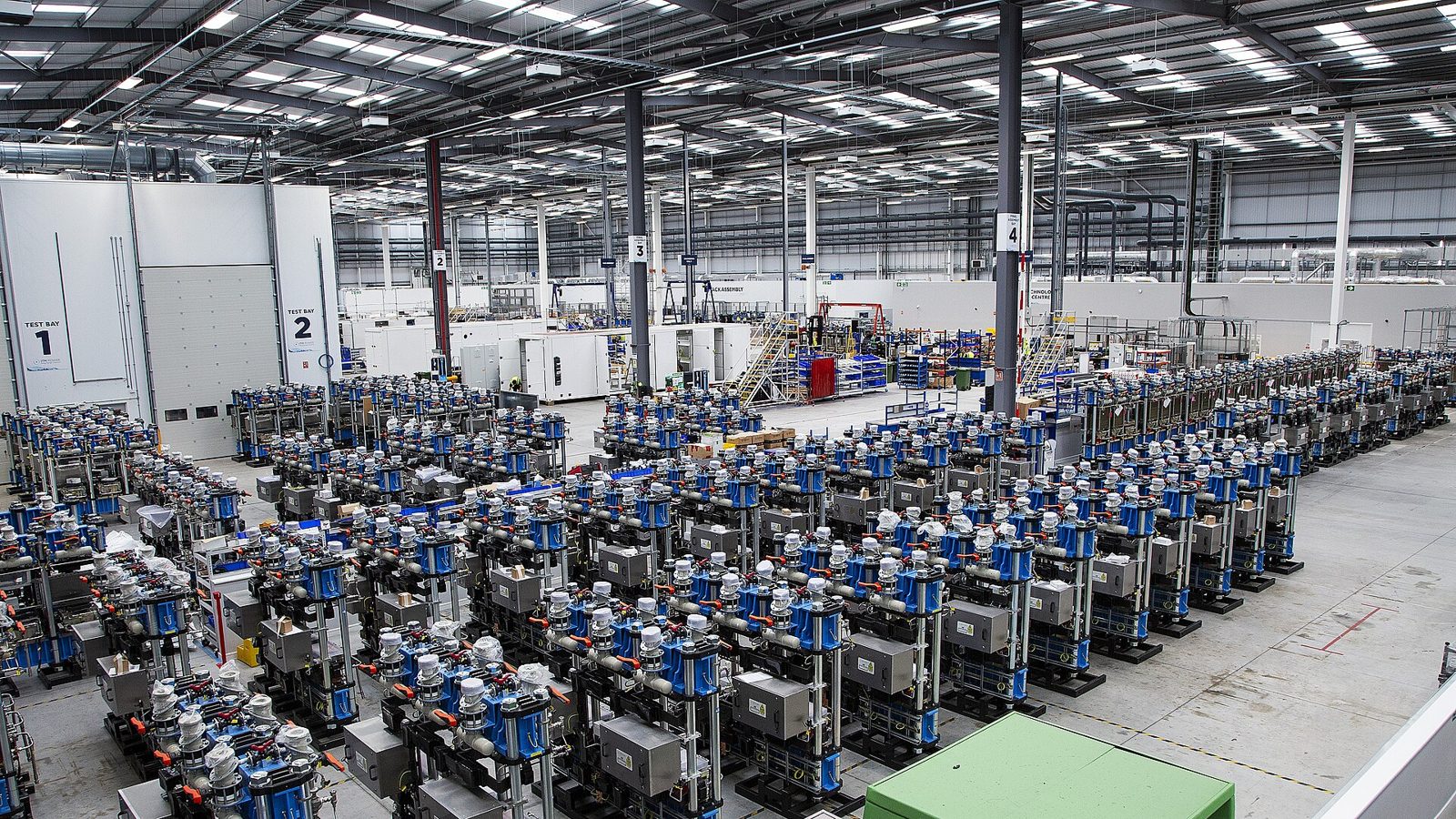
Water, glycol solution or dielectric fluid for data center direct liquid cooling loops?
On thermal performance alone, water wins: high specific heat and thermal conductivity, low viscosity and low pumping power. It is also electrically conductive, corrosive to metals and prone to microbial growth, so it has to run as treated water with inhibitors and biocide. A 25% propylene glycol solution (PG25) is widely used in cold plate loops because it reduces freeze and microbial risk with a relatively modest thermal penalty.
Glycol oxidizes over time into organic acids that pull pH down. Glycol also suppresses microbial growth only at roughly 25% and above and does not kill microbes; diluted further, it can become a nutrient. Check pH, conductivity, glycol concentration, inhibitor reserve and microbial counts on a schedule, and top up with premixed fluid of the same product. Topping up with tap water dilutes glycol and inhibitors together and brings in chlorides and hardness.
Single-phase dielectric fluids reduce electrical risk from leaks but carry less heat per unit volume, so they need higher flow for the same duty. Whatever the fluid, fix the wetted materials list first, for example copper, stainless steel, brass and EPDM, and confirm compatibility against it. Mixing copper and aluminum in one loop invites galvanic corrosion, so avoid it at the design stage.