From blade molding to 10 years of maintenance-free lubrication
The wind industry converts offshore wind energy into electricity.
What is the wind power industry?
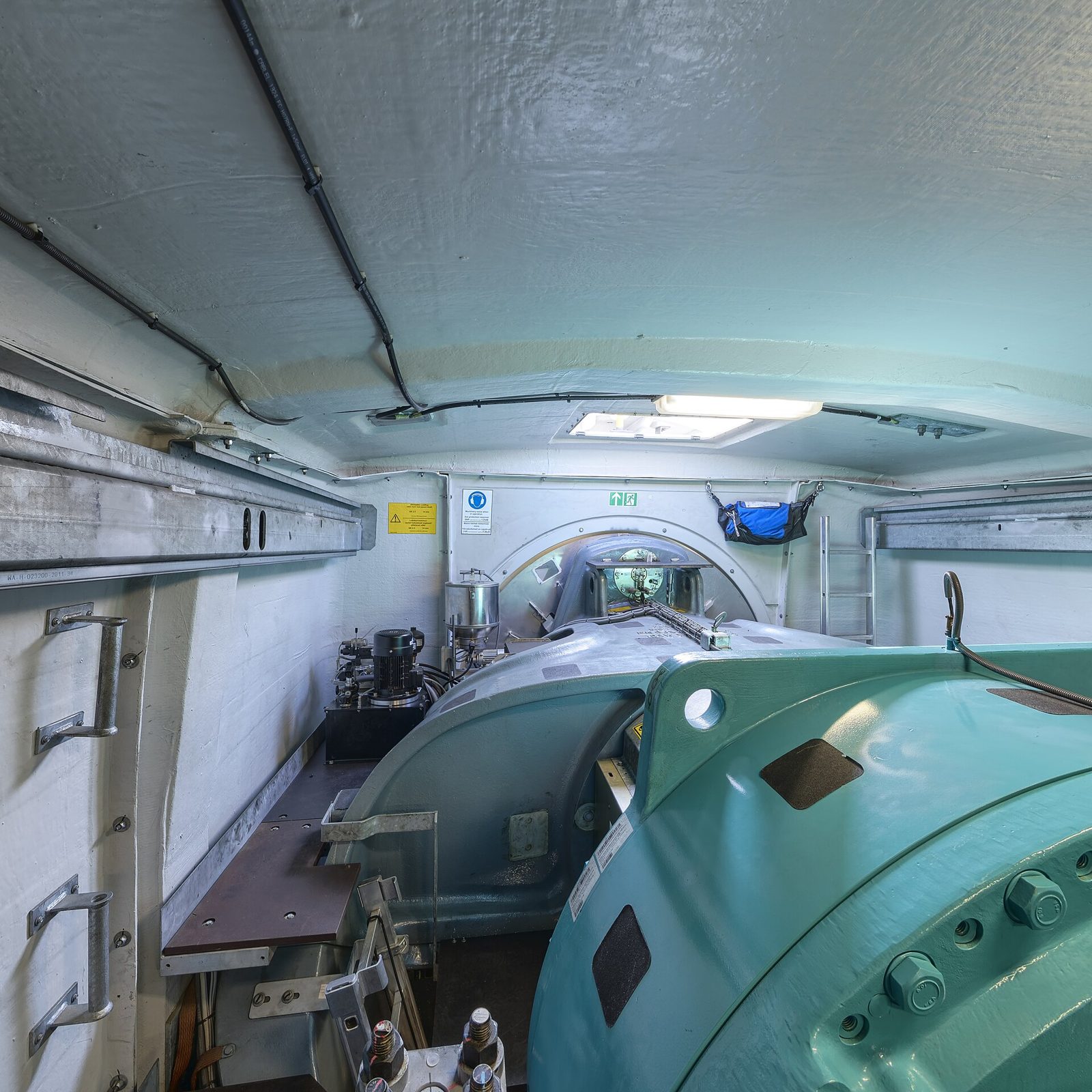
Wind power builds turbines that turn generators with wind, the towers and substructures that hold them up, and operates them over long periods. Once erected, equipment must last its design life in sea wind and salt, and the nacelle is a place people cannot easily climb to often. Blades are molded from glass and carbon fiber composites and towers from thick steel tube, so very different chemistries gather in one installation: release agents and structural adhesives, painting and corrosion protection, and gear and bearing lubrication that can go long periods without attention.
A single problem in wind power is costly because it takes a long time to reach. Offshore turbines can be accessed only when weather allows, and if something goes wrong with gearbox oil or bearing grease, time passes with generation stopped. So selection must look beyond initial performance to how fast moisture and wear particles build up and when refilling and replacement are actually possible. Wind power stays with a product for decades once adopted, so the order in which validation data will be built should be planned together even before listing on an approved list.
- Parts cost per offshore wind gearbox replacement€230,000
- 01
Blade layup and resin infusion molding
Glass and carbon fiber fabrics are laid up in molds and resin is infused under vacuum to form shells and spar caps. A single vacuum leak leaves voids around it. Choose resin and release agents by viscosity, pot life and cure exotherm.
- 02
Blade surface finishing with gelcoat and topcoat
Gelcoat or topcoat is applied to blade surfaces in the mold to provide weather and flame resistance. Long UV exposure brings discoloration and peeling, and tips see leading edge erosion. Choose coatings by weather resistance, adhesion and field repairability.
- 03
Blade structural bonding of spar caps and shells
The two shells and spar caps are bonded with structural adhesive, and metal root inserts are bonded into the composite. Release agent left on bond faces prevents adhesion. Choose adhesive by strength, cure conditions and surface preparation.
- 04
Tower and component steel machining
Thick steel tube is cut, welded and machined into tower sections and jacket frames. Welding with cutting fluid left on weld bevels causes porosity and blowholes. Choose cutting fluid and cleaner by machining performance and ease of removal before welding.
- 05
Surface treatment and rust protection
Weld scale is removed, surfaces are blasted and a corrosion protection layer is formed by galvanizing or painting. Thin film at welds and edges lets white rust appear first. Choose the paint specification by corrosion protection, surface temperature and dew point and temporary protection.
- 06
Jacket and pile substructure assembly
Steel tube sections are bolted together and joined with foundation piles to complete offshore foundations. Unstable friction on fastening faces keeps design preload from being reached at specified torque. Choose anti-seize and temporary rust preventives by friction consistency and storage time.
- 07
Main gearbox oil lubrication
The main gearbox in the nacelle is filled with synthetic gear oil to run for long periods without attention. As emulsification and oxidation progress, micropitting spreads on tooth flanks. Choose gear oil by extreme-pressure performance, oxidation stability and water separability.
- 08
Main and generator bearing grease lubrication
Dedicated grease is refilled periodically in main shaft and generator bearings to withstand heavy load and high temperature. In converter-driven generator bearings, shaft currents leave electrical erosion and fluting on raceways. Choose grease by load capacity, high-temperature durability and shaft-current behavior.
- 09
Pitch and yaw bearing and open gear grease lubrication
Adhesive grease is applied to pitch bearings, yaw bearings and exposed slewing ring gear meshes. Small oscillations stop the film rebuilding, leaving fretting corrosion and false brinelling. Choose grease by adhesion, water resistance and reapplication interval.
- 10
Transport and storage
Finished components are moved to site by container and dedicated vessel and kept until installation. Temperature swings on land cause condensation and corrosion inside packaging. Choose rust preventives and packaging by protection period and performance in salt environments.
- 11
Wind farm operation and maintenance
Turbine condition is monitored while routine inspections, gear oil checks and bearing and open gear grease changes continue. Offshore, salt and condensation raise moisture in gear oil. Choose replacement oil by extreme-pressure performance and cold start.
Regulation and certification
IEC 61400
The international series of standards on the design, safety and performance of wind turbines. Gearbox and bearing design follows it, so oils and greases are chosen to suit the operating conditions it sets.
DNV type certification
Third-party type certification confirming that a wind turbine design meets the applicable standards. Changing an oil or grease in service means checking both the certified design conditions and the turbine maker's approved list.
ISO 4406
The international code for the level of solid particle contamination in hydraulic and lubricating oils. Wind turbine gearboxes and hydraulic systems set a target cleanliness and hold it through oil analysis and filtration.
ISO 12925-1
The international specification for lubricants for enclosed gear systems. Gear oils for wind turbine gearboxes are checked against its grades and against the additional test results the turbine maker requires.
FAQ
Water content keeps rising in gearbox oil analysis. Will changing oil fix it?
Changing only the oil often sees it rise again. Offshore, there is often a separate path for water ingress through salt and condensation, and it can also come in through breathers or seals.
Changing only the oil while leaving the ingress path in place brings the same value at the next analysis, and in the meantime additives are consumed first, so the same oil may not hold up as before. Offshore, the change itself depends on weather, so it is better to plan to fix breathers and seals at the same time once values rise.
Can we switch nacelle gear oil or grease to a different product?
Products are normally used only if named on the approved list managed by the turbine maker, and listing often requires long-term usage history.
Even listed products go through requalification if the formulation changes, and that period often sets the adoption schedule. So inside the nacelle, listing and requalification history come before performance comparison, and products off the list sometimes approach by building a record on equipment outside the nacelle first.
Tower paint gets white rust from the welds first. Do we need different paint?
Conditions before painting often decide it more than the paint. Film tends to form thin at welds and edges, so those spots show first even when painted to the same specification.
Measuring film thickness by area confirms it. If film is thin only at edges and weld beads, look at application method and stripe coating first; if it is evenly thin overall, look at the specification and work conditions first. The gap between blasting and painting is also worth checking.
Offshore turbines are hard to climb. How should lubrication intervals be set?
Rather than by calendar, they are often set by looking at accessible windows together with oil analysis results. Weather sometimes prevents climbing on the planned date.
Lining up trends in water and wear particle items over several analyses gives a sense of whether it will last until the next maintenance. If the trend is gentle, leave it until the planned point; if the slope steepens, schedule the earliest accessible time. That approach tends to work well.