Specialty chemicals chosen within specifications and certification
Aerospace, defense and space, semiconductors and displays, EV and batteries, pharma and medical devices, robotics. Industries where specifications and certification govern the process.

What sets advanced manufacturing apart
In advanced manufacturing, specifications and approvals decide which materials make it onto the line. Performance alone is not enough; the first questions are which specifications a material meets and which approvals and qualification testing it has passed.
Each industry screens on different criteria. Aerospace works within the airworthiness certification system, through airframe and engine makers' material specifications and qualified products lists (QPLs). Defense works through national defense specifications such as MIL specs and the quality assurance requirements of procurement agencies and prime contractors. Space looks first at vacuum outgassing against criteria such as ASTM E595, vacuum lubrication, on-orbit thermal cycling, and compatibility with launch-vehicle cryogenic propellant systems such as liquid oxygen. Semiconductors screen for particles, metallic and ionic contamination, residues, and outgassing in vacuum equipment. Electronics and displays screen for residues and ionic contamination, as well as moisture and the release of volatile components. In EV and battery manufacturing, cell production screens for moisture and metallic foreign matter that could enter the cell, and for electrolyte compatibility; module and pack assembly screens for electrical insulation, flame retardancy and thermal conductivity. Pharmaceutical manufacturing looks at GMP cleanroom grades and the residue limits set in cleaning validation; medical devices at the clean manufacturing environment and the effect of manufacturing residues on the biocompatibility of the finished device. Robotics and logistics automation follow the lubrication specifications of reducer makers and robot and equipment makers, and on clean lines also look at particle generation.
That is why choosing a product goes hand in hand with checking documents. There are broadly two routes: use a material the customer has already approved or one on a specification's qualified products list, or prove through testing that a new material meets the requirements and have it approved. Starting the shortlist with products approved to the same specification or already used at other sites makes it easier to gather evidence for the review.
- Advanced manufacturers citing skills gaps as a barrier to change69%
Industries in this group
Aerospace
From cutting hard alloys to 24 months at sea
Aerospace parts manufacturing machines the components that go into engines, airframe structures, landing gear and hydraulic and fuel systems. It works with hard-to-cut materials such as titanium and nickel alloys while holding dimensions and surfaces within specification, and it continues through chemical milling, cleaning, shot peening, surface treatment and sealant application.
- Material inspection and storage
- Rough machining
- Finish machining
- Chemical milling
- Cleaning and degreasing
- Shot peening
- Surface treatment
- Sealant and primer application
- Non-destructive testing
- Corrosion protection and packing
- Shipping and customer storage
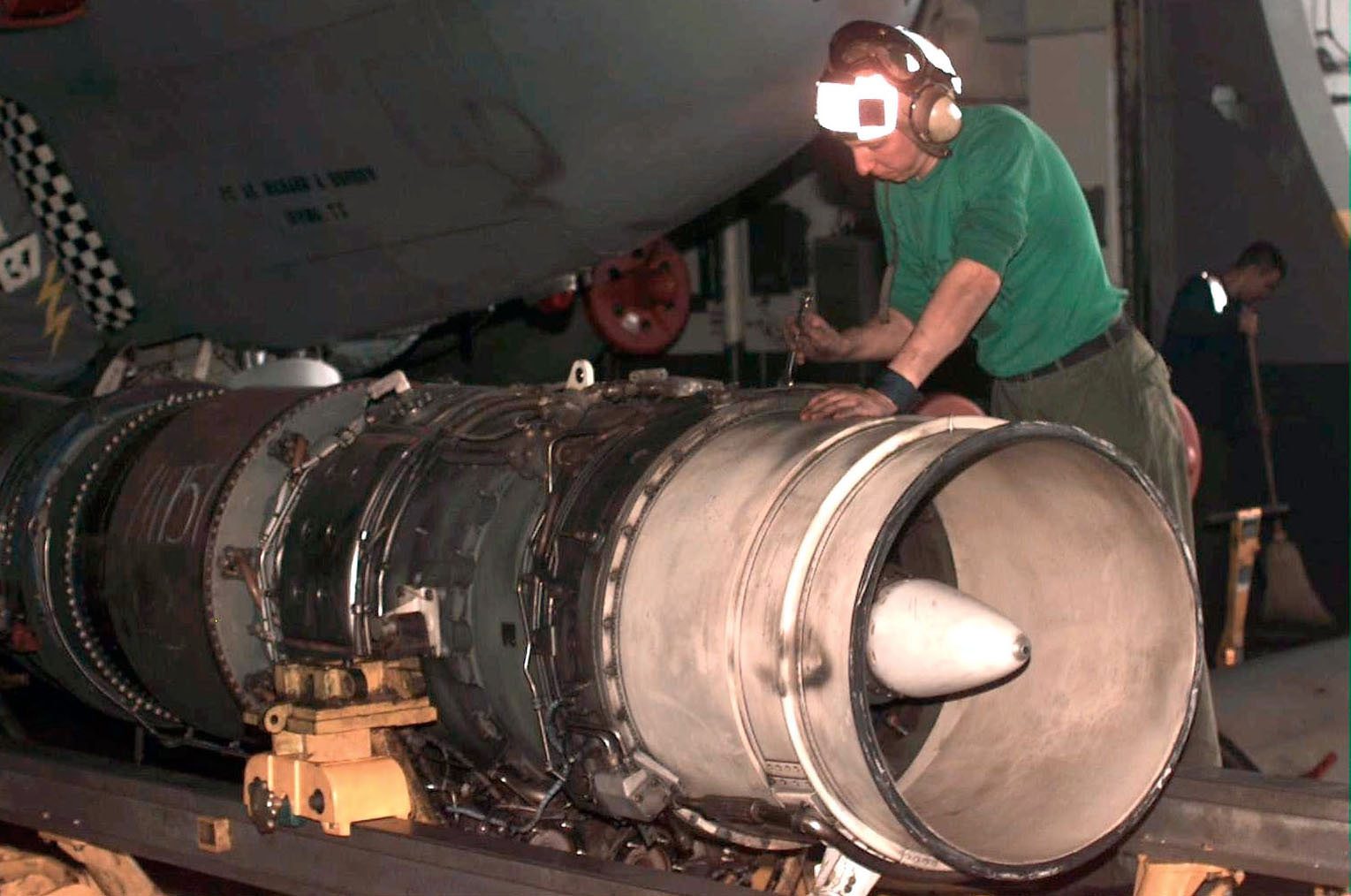
Defense
From cutting parts to 24 months of stockpiling at sea
The defense industry makes equipment for national defense, such as firearms, ammunition, armored vehicles and guided weapons, and the parts that go into them. This equipment is deployed in very different environments, from desert heat to arctic cold to coastal salt, and must stay ready for immediate use for long periods after deployment.
- Metal cutting
- Metal forming
- Cleaning and degreasing
- Surface pretreatment
- Conversion coating
- Anodizing and sealing
- Assembly and quality inspection
- Packing and primary rust protection
- Storage and stockpiling
- Sea transport
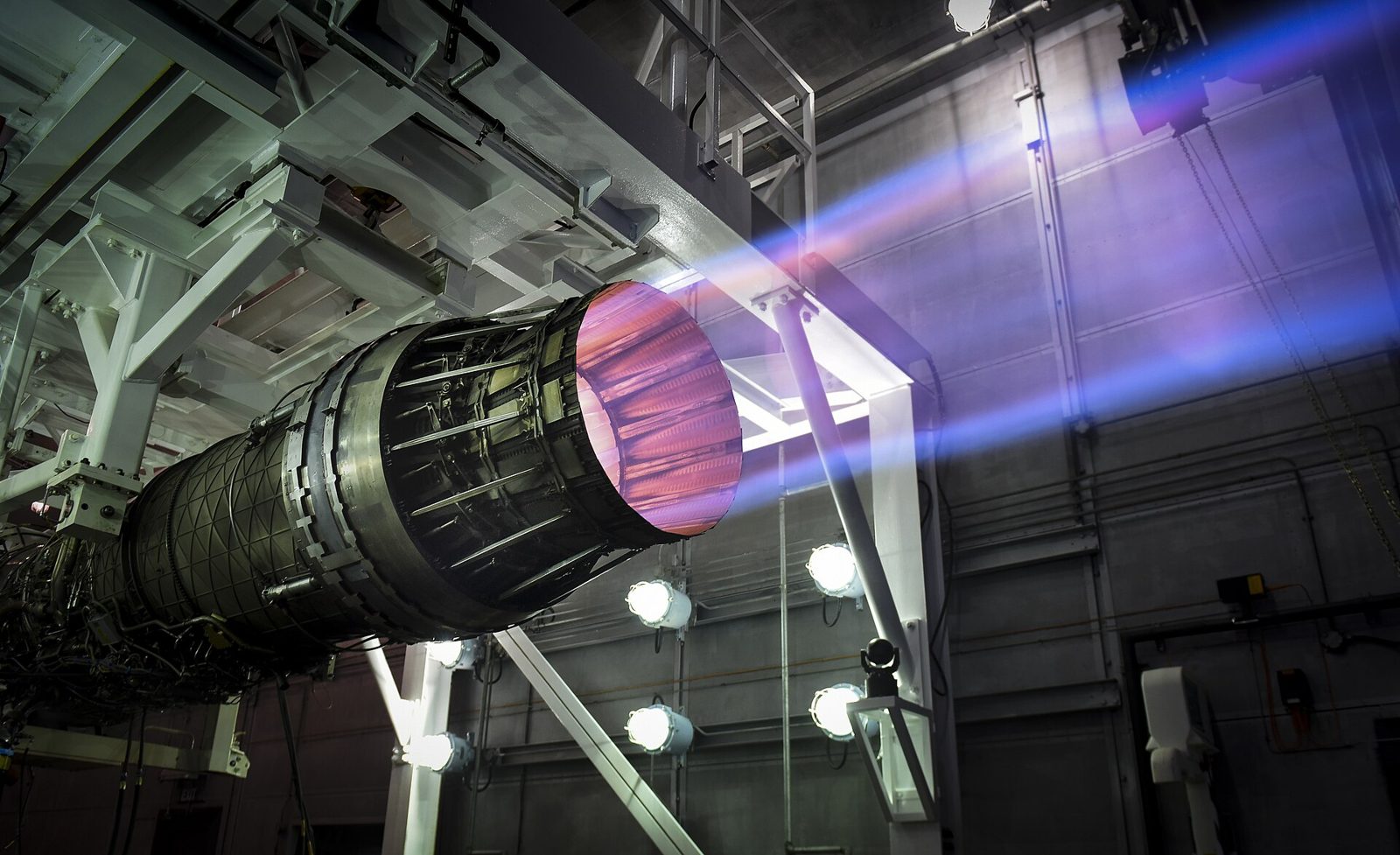
Space
From cryogenic turbopumps to oil-free operation in vacuum
The space industry makes launch vehicles, satellites and the precision parts that go into them. Parts must survive heavy vibration and loads at launch, then keep working without maintenance in vacuum, sharp temperature swings and radiation once in orbit.
- Precision machining of launch vehicle and satellite parts
- Precision cleaning and degreasing
- Surface treatment
- Structural joining and bonding
- Sealants and electrical potting
- Conformal coating of electronics
- Precision mechanism lubrication
- Electrical contact and connector protection
- Cryogenic lubrication of turbopumps and combustion systems
- Rust protection for long storage and transport
- Pre-launch environmental testing
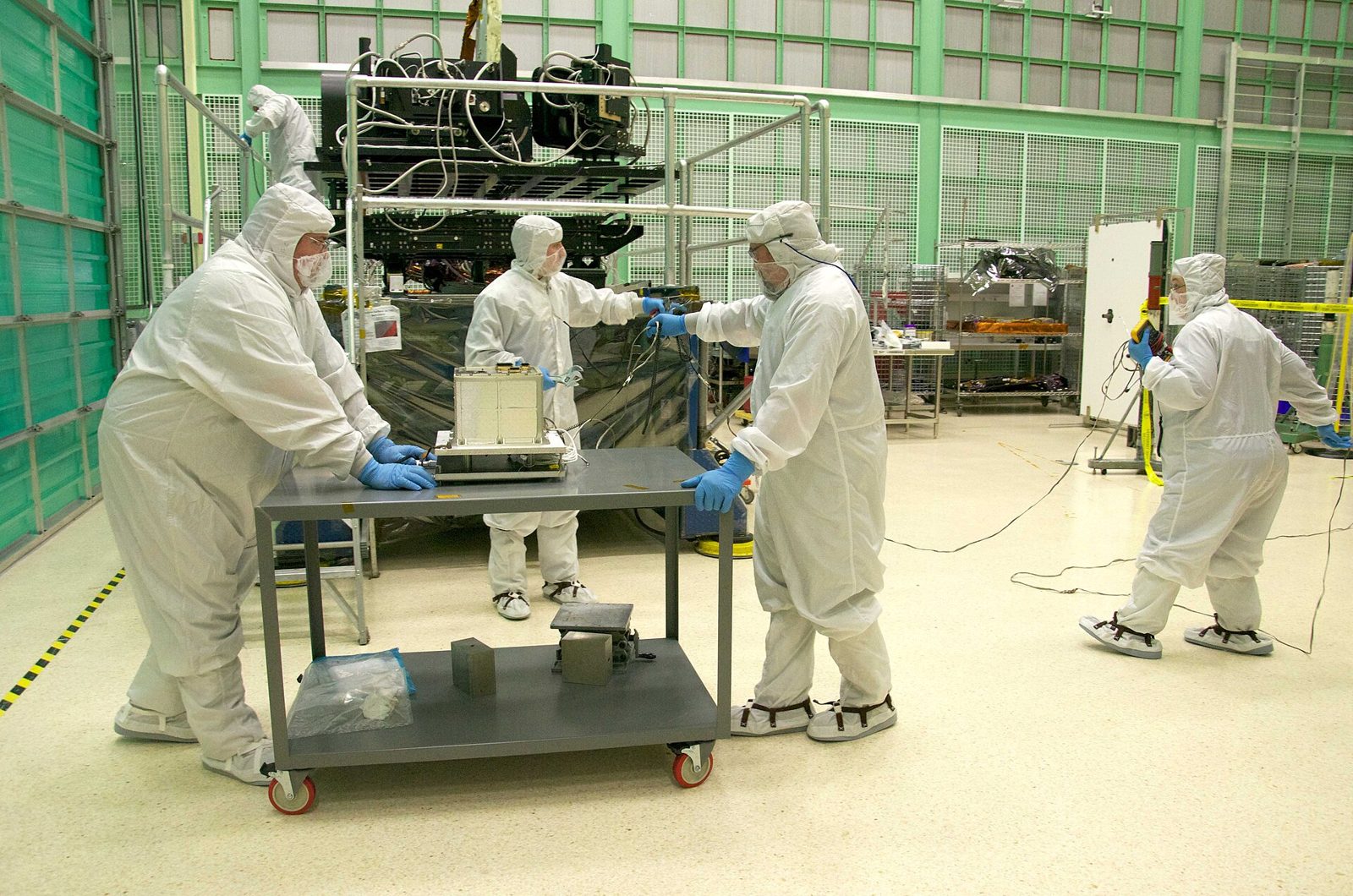
Semiconductors
From ingot wafering to packaging
Semiconductor manufacturing builds chips by stacking fine circuits layer by layer on silicon wafers. As line widths have come down to nanometers, a single particle or trace metal ion left on the wafer surface now decides how a device behaves.
- Wafer slicing, lapping and polishing
- Photolithography
- Etching
- Post-etch cleaning
- Thin film deposition
- Chemical mechanical polishing
- Post-CMP cleaning
- Vacuum chamber and pump lubrication
- Heat treatment and anneal
- Packaging

Electronics & Display
From substrate cleaning to contact lubrication
The electronics and display industry makes the screen panels and electronic modules that go into smartphones, TVs and vehicle instrument clusters. Thin film transistors and emissive layers are stacked very thinly on glass or polyimide substrates, so even a small organic mark left on the surface shows up as a defect on the screen.
- Substrate cleaning
- Photoresist coating, exposure and development
- Etching and resist stripping
- Thin film deposition and TFT formation
- Organic emissive layer deposition
- Thin film encapsulation
- Driver IC packaging
- Conformal coating and thermal management
- Connector and contact assembly
- Equipment cleaning and precision lubrication
- Final inspection and packing

EV & Batteries
From slurry mixing to rust protection for pack shipment
The battery industry makes the cells, modules and packs that go into electric vehicles and energy storage systems. From making electrodes and assembling cells to filling electrolyte and bundling packs, processes must run while keeping the inside, where electrochemical reactions take place, sealed off from the outside environment.
- Slurry mixing
- Electrode coating and drying
- Calendering
- Slitting and notching
- Stacking and winding
- Tab welding and case insertion
- Electrolyte filling and sealing
- Formation, aging and degassing
- Module assembly
- Pack assembly and protection
- Final inspection, packing and transport protection
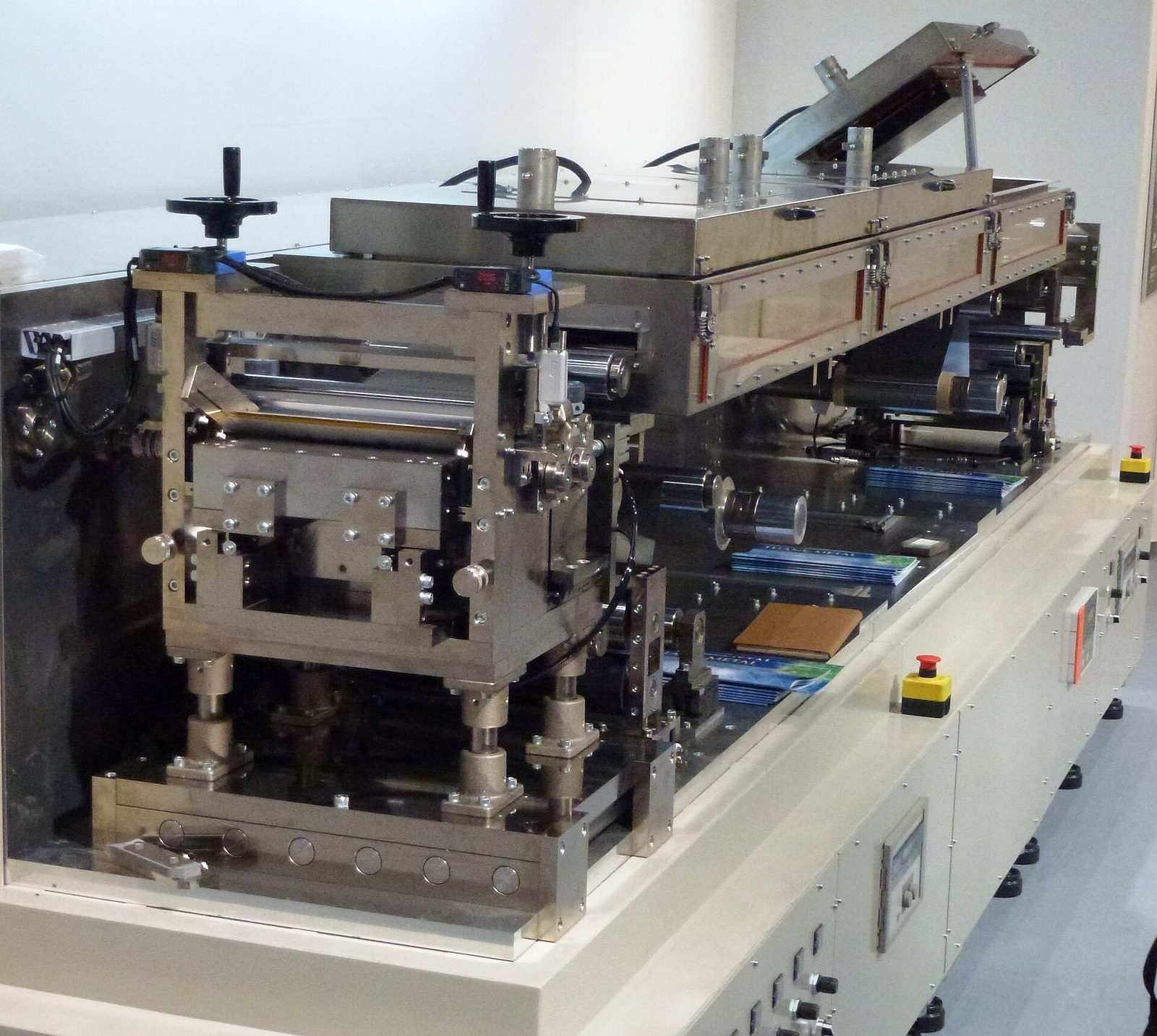
Pharma & Medical Devices
From GMP aseptic environments to implant surfaces
Pharmaceutical and medical device manufacturing makes medicines and instruments that go into or touch the human body, and cleans and sterilizes reusable instruments for return to use. Because the final product is used on people, the cleanliness of the manufacturing environment and the amount of material left on surfaces are treated as seriously as the product specification.
- API purification and purity verification
- Aseptic compounding and filling
- GMP equipment lubrication and cleanroom contamination control
- Rough machining
- Finishing and polishing
- Cleaning and degreasing
- Surface treatment
- Bonding and assembly
- Sterilization, packing and storage
- Medical device reprocessing
Robotics & Logistics Automation
From a single joint to an entire distribution center
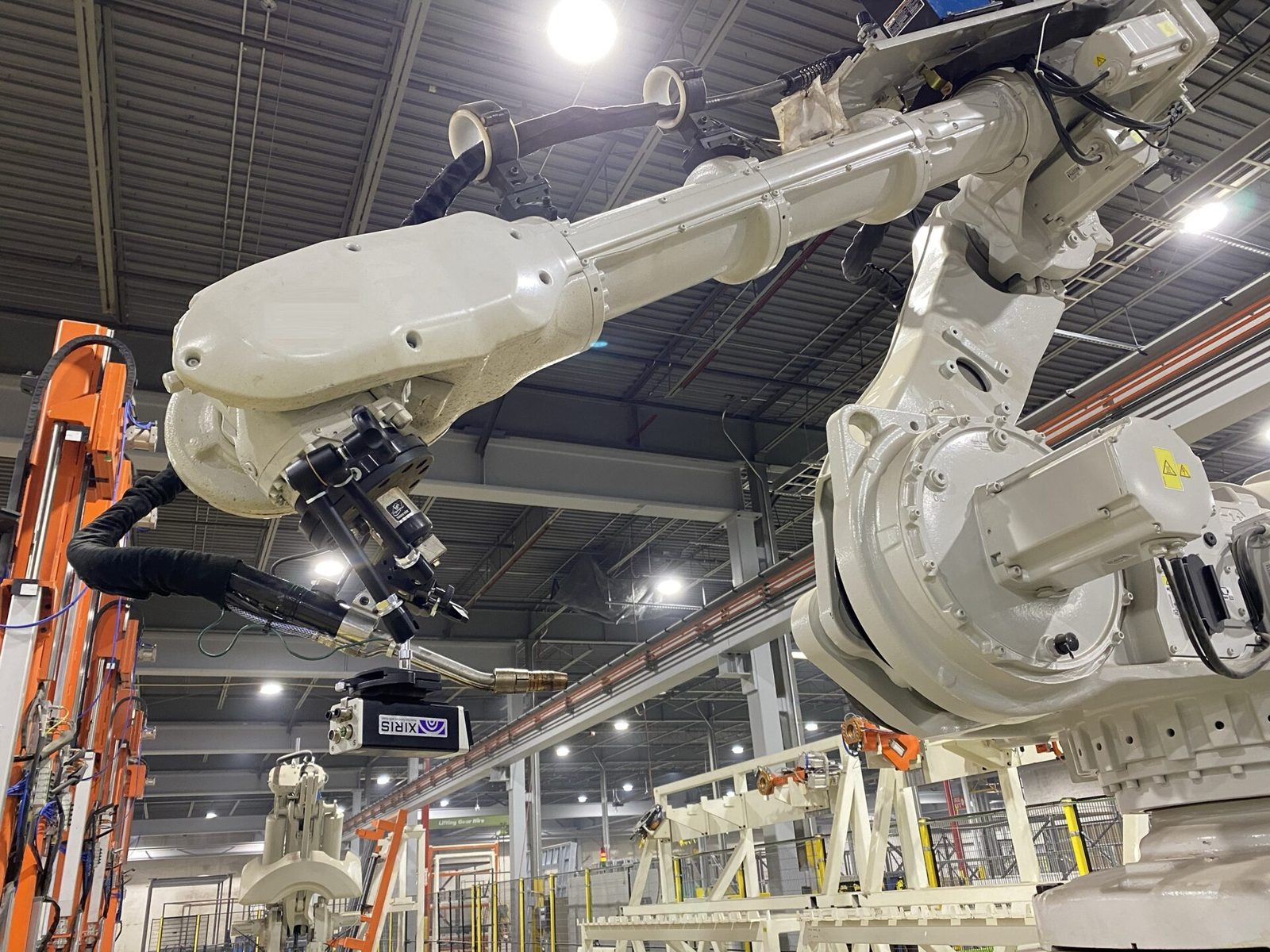
Robotics and logistics automation builds and installs equipment that takes over repetitive work and conveying that people used to do. A robot arm's performance depends heavily on how long the reducer inside each joint holds up at what temperature and load, and conveying equipment in distribution centers repeats the same motion all day.
- Harmonic drive joints
- Cycloidal reducer joints
- Planetary gear drives
- Worm gear reducer drives
- Irregular task applications
- Shipbuilding and heavy industry applications
- Semiconductor back-end applications
- Humanoid precision gripper tasks
FAQ
If a certificate says 'meets MIL spec', can we treat the product as approved?
Usually not. 'Meets the requirements of' is in most cases the manufacturer's own claim based on its own testing. Listing on a qualified products list (QPL) means the qualifying activity has reviewed the qualification test results and added that product. Where listing is a condition of procurement, a product that is not on the list will not be accepted as a deliverable material even if its test data looks identical. Not every MIL specification has a QPL, and many material specifications have moved to SAE AMS documents; where those require qualification, the QPL is usually administered by PRI.
Customer approval is a separate layer. Airframe and engine makers, prime contractors and cell makers often maintain their own material specifications and approved lists on top of the public specification. In that case a product on the public QPL still cannot be used if it is missing from the customer's list.
Start from what the drawing or purchase specification actually calls out: specification number and revision, type and class, and QPL reference. Then check that the revision quoted on the supplier's certificate matches the revision required. A different revision can mean different test items or limits.
Same product name, different manufacturing plant. Does the approval still apply?
Generally it does not. Qualified products lists often list the manufacturer and the plant together, not just the trade name, and customer approvals assume the formulation and raw material supply chain of the plant that passed qualification. The same name can hide different raw material sources or additive packages from region to region. Under the US DoD qualification provisions, SD-6, a listing covers only product made at the plant named in the qualification notice, and failing to report a plant move is grounds for removal.
Global brands sometimes run regional formulations. A slightly different suffix or part number, or an SDS with a different composition or supplier address than the file copy, is a reason to suspect a different formulation.
Write the plant and part number into the purchase specification, and check at receiving inspection that the certificate and container label show that plant. A contract clause requiring advance notice of plant transfers and formulation changes keeps you from finding out after the fact.
What do TDS typical values, specification limits, a CoA and a CoC each tell us?
Unless a technical data sheet (TDS) explicitly labels a figure as a specification limit, its figures are typical values. They are not measured on any particular lot and they are not a committed range, so they should not be used as acceptance criteria. Acceptance criteria are the limits in the specification or purchase specification.
A CoA reports the results actually measured on that lot, alongside the limits. A CoC is the supplier's declaration that the lot was made to the stated specification and revision, and it may carry no measured values at all. In aerospace and defense the CoC is the anchor document for traceability, though material specifications often also require a lot acceptance test report; semiconductor and battery lines more commonly require a CoA with measured values for every lot.
The qualification test report covers the full test programme run once at approval. Lot CoAs usually carry only a subset of those properties. Knowing which properties are checked every lot and which were checked only at qualification narrows the search when something goes wrong. It also helps to remember that an SDS is a safety document, not a quality document.
Can we use material a distributor has split into smaller containers or repackaged?
The customer specification decides. Whether repackaged material is accepted at all, and if so which documents and markings are required, differs from one specification to another, so do not treat it as equivalent to the original pack until you have checked. The same applies to items commonly supplied in cartridges or as premixed frozen kits, such as aerospace sealants and adhesives.
Repackaging creates two risks. The first is traceability: if the original manufacturer's lot number, manufacture date and expiry do not carry through to the new container, you cannot trace a defect back to its source lot. The second is quality: moisture and foreign matter can get in during transfer, and the new container material can leach into the product. On low-moisture or high-purity lines that difference turns directly into rejects.
When buying through a distributor, check whether it operates a distribution quality system such as AS9120 and whether it passes on the original manufacturer's CoC. AS9120 certification shows the distributor's quality system; it does not by itself authorise repackaging, which has to be confirmed against the customer specification. Treat a container whose original manufacturer's label has been removed or covered, leaving only the distributor's label, as having lost traceability. Stock without the original manufacturer's documents should not be used as an approved item, however attractive the price.
If only how we use the same product changes, is that still a controlled change?
Often, yes. In special processes and validated processes, what is approved is not the product alone but the product together with its process parameters. Changing dilution, bath temperature, immersion time, spray pressure, drying conditions or application method is a change to the process document, and it can take you outside the customer's process approval or the scope of a cleaning validation.
The changes people miss are the ones that look small: a different container size, moving from hand mixing to automatic meter-mix dispensing, or stretching the bath change interval. Any of these can change residue levels or cure state on the finished part.
The test is the values and ranges written in the process document. Adjusting within the documented range is not a change; going outside it, or introducing a condition the document never mentioned, is a change and needs an impact assessment. When in doubt, asking your own quality function and the customer's quality contact first is less of a burden than dealing with it afterwards.
How should we measure whether a surface is actually clean after cleaning?
The next process defines what clean means. Before painting or bonding it is wettability and organic residue; before welding, the oil and moisture that cause porosity; for electronics assembly it is ionic residue; for vacuum and optical hardware it is non-volatile residue (NVR) and particles; for pharmaceutical equipment it is carryover of the previous product and of the cleaning agent. Choose the method to match.
Quick shop-floor checks include the water-break test, dyne pens and contact angle. Quantitative methods include gravimetric NVR from a solvent rinse, FTIR, ion chromatography and total organic carbon (TOC). Electronics assembly uses the ionic contamination and surface insulation resistance (SIR) test methods in IPC-TM-650. A single ionic contamination figure says little about whether a residue will actually cause a reliability problem, so IPC J-STD-001 qualifies the cleaning process on objective evidence tied to reliability, such as SIR results. Precision parts often work to the particle and NVR cleanliness levels of IEST-STD-CC1246, and EV and battery components to the particle extraction and analysis methods of the automotive technical cleanliness standards ISO 16232 and VDA 19.1.
When comparing processes or cleaners, fix the measurement and sampling method. A different swab material, extraction solvent, sampled area or recovery rate will give different numbers from the same surface. That is why pharmaceutical cleaning validation runs separate swab recovery studies.
Why do plants ban silicone-containing products from the line?
Silicone oils have very low surface energy, spread into extremely thin films and are hard to remove with ordinary aqueous cleaning. Paint over them and you get craters and fisheyes; adhesives and sealants lose adhesion; plating and conversion coatings show stains or bare spots. The problem grows because contaminated parts, tools and gloves carry it from one process to the next.
In electronics, low-molecular-weight siloxanes that evaporate can settle on relay and switch contacts, where arcing decomposes them into insulating silica and causes contact failure. In vacuum and optical equipment, siloxanes condense on lenses, sensors and chamber walls as a film.
So on silicone-free sites the check covers not only release agents and greases but hand creams, gloves, tapes and packaging. Silicone oils are usually not hazard-classified, so they may not appear on an SDS whatever their content, and they can be present in small amounts, for example as a defoamer in a metalworking fluid or cleaner. Get a written silicone-free statement from the supplier together with the test it is based on. Paint shops often go further and require freedom from all paint-wetting impairment substances (PWIS), tested to VDMA 24364; silicone-free and PWIS-free are not the same claim.
Why are we asked separately about chlorine, sulfur and halogen content?
Because residues of these elements damage metals once heat or moisture arrives. Titanium alloys can suffer hot-salt stress corrosion cracking when chloride residues are exposed to high temperature, which is why airframe and engine makers often limit chlorine in fluids used to machine and clean titanium. Austenitic stainless steel can also suffer chloride stress corrosion cracking under temperature and stress. Nickel alloys can be embrittled at the grain boundaries when sulfur is left on the surface through heat treatment or high-temperature service. Chlorinated and sulfurized extreme-pressure additives in cutting and forming oils are the usual sources.
In electronics, active sulfur tarnishes silver and copper and drives contact failures and creep corrosion, while halide residues combine with moisture to cause corrosion and electrochemical migration. The same reasoning is behind semiconductor process chemicals and battery electrolytes being specified for trace ions such as chloride lot by lot.
Even materials that touch the part briefly and are washed off, such as NDT penetrants and developers, are covered. Nuclear, aerospace and NDT specifications set limits on sulfur in consumables that touch nickel alloys and on halogens in those that touch austenitic stainless steel and titanium, and customer specifications sometimes set tighter limits. Which limit applies is set by the specifications the drawing and purchase specification call out. Confirm content with a certificate giving elemental analysis, not with the SDS, because an SDS does not list components below hazard classification thresholds.
After switching cleaners or lubricants, plastic parts started cracking. Why?
Environmental stress cracking is often the cause. Amorphous polymers such as polycarbonate, ABS, acrylic and polysulfone, when carrying residual stress from moulding or assembly, can craze and crack on contact with certain solvents, surfactants, ester base oils or amines, even though the liquid does not dissolve them. Cracks may appear days or weeks later, which makes the link hard to see.
It shows up often on medical device housings, robot covers and electronic connectors, wherever plastic parts are common. Swelling or hardening of elastomer seals is a different mechanism but the same compatibility question: when base oil and additives do not suit the elastomer type, seal dimensions and hardness change and leaks follow. Immersion tests such as ISO 1817 measure the volume and hardness change.
Test under stress that resembles the real part. A product can pass an unstressed immersion test and still crack the part, so apply it to strained specimens, as in the ISO 22088 series, or to assembled real parts, and inspect after a set period. Supplier compatibility data is only meaningful when you give them the exact polymer and elastomer grades.
Can expired sealants or adhesives be retested and used?
Not on your own. Shelf life is the period over which the manufacturer states that the material keeps its specified properties when stored unopened under the conditions it sets. Whether expired material may be used again, and if so what must be tested and recorded, is decided by the manufacturer and the customer specification. Without that basis in writing, expired material is nonconforming.
Storage conditions are the premise of the date. Over time sealants and adhesives can pick up moisture and partly cure, let fillers settle or lose solvent, so viscosity and application time drift, and these changes run faster at higher temperature. That is why, for frozen or refrigerated materials, a gap in the storage temperature record means you cannot say the conditions were met even if the date has not passed, and the material has to be dispositioned on its own regardless of the date. The usable period after a container is opened and the work life after thawing are managed separately from shelf life.
What the user does control is using material properly within its life. At receipt, check the manufacture date, expiry and storage marking; use the stock that expires first; record storage temperature; and flag stock approaching expiry early. For imported items with long shipping and customs times, specifying minimum remaining shelf life at receipt in the purchase terms reduces expired stock. Mark and quarantine expired material and pass the disposition to the quality function to decide against the manufacturer's and the customer's requirements.
What should we record so that a trial can support an approval?
Write the acceptance criteria down before the trial starts: what will be measured, what value passes, how long the trial runs and over how many lots. Without that, the argument starts when results are interpreted, and the approval reviewer will struggle to accept them.
You also need a baseline. Data from the current product on the same equipment and the same material is what lets you claim a difference. Record the trial product's lot numbers, usage conditions such as concentration and temperature, top-ups and bath changes, and any other condition that changed during the trial, all with dates.
Extend the evaluation to the downstream processes the chemistry touches. If the cleaner changed, check paint adhesion, bond strength, NDT indications and residue measurements, and allow storage and environmental exposure time for corrosion and delamination that appear late. On production parts, identify and segregate trial parts and stay within the customer's deviation approval; for aerospace parts, a process or material change can trigger a new first article inspection (FAI) to AS9102.
In what order do we qualify a substitute for an approved material?
Start by writing down what the current material actually does. List not only the properties the drawing, material specification and process document require, but also those the process relies on without saying so: a cleaner's residue level that the downstream paint adhesion has been tuned to, or a sealant's application time that the assembly sequence has been built around. That list becomes the equivalency test plan, and each item gets an acceptance criterion written down before testing starts.
Run equivalency testing side by side with the current material, on the same substrate and the same equipment. Look beyond the material's own properties to the results of the downstream processes it touches and to effects that appear late, such as corrosion and delamination. Handle the substitution through change control, and for items under customer approval, notify the customer and obtain approval before the change. Aerospace parts can require a partial or full first article inspection to AS9102 after a material or process change; automotive parts can require renewed part approval where the customer calls for PPAP; in pharmaceuticals the impact assessment runs within the change management system that ICH Q10 sets out as an element of the pharmaceutical quality system.
Production has to continue on the current material until the substitute is approved, so work out how much existing stock, and how much remaining shelf life, the approval period will need. When the same material serves several customers or specifications, approvals often land at different times and both materials have to run in parallel for a while. Separate storage locations, labels and process documents so the two cannot be mixed, and record the production lot from which the new material was used so the changeover point can be traced. Keeping the test plan, results and approval documents as one package lets you reuse them at customer audits and the next substitution.