Every contact point where friction builds
Metalworking fluids, machine lubricants, greases and specialty lubrication. The area that governs tool life, heat and surface finish.
How lubricants differ from metalworking fluids
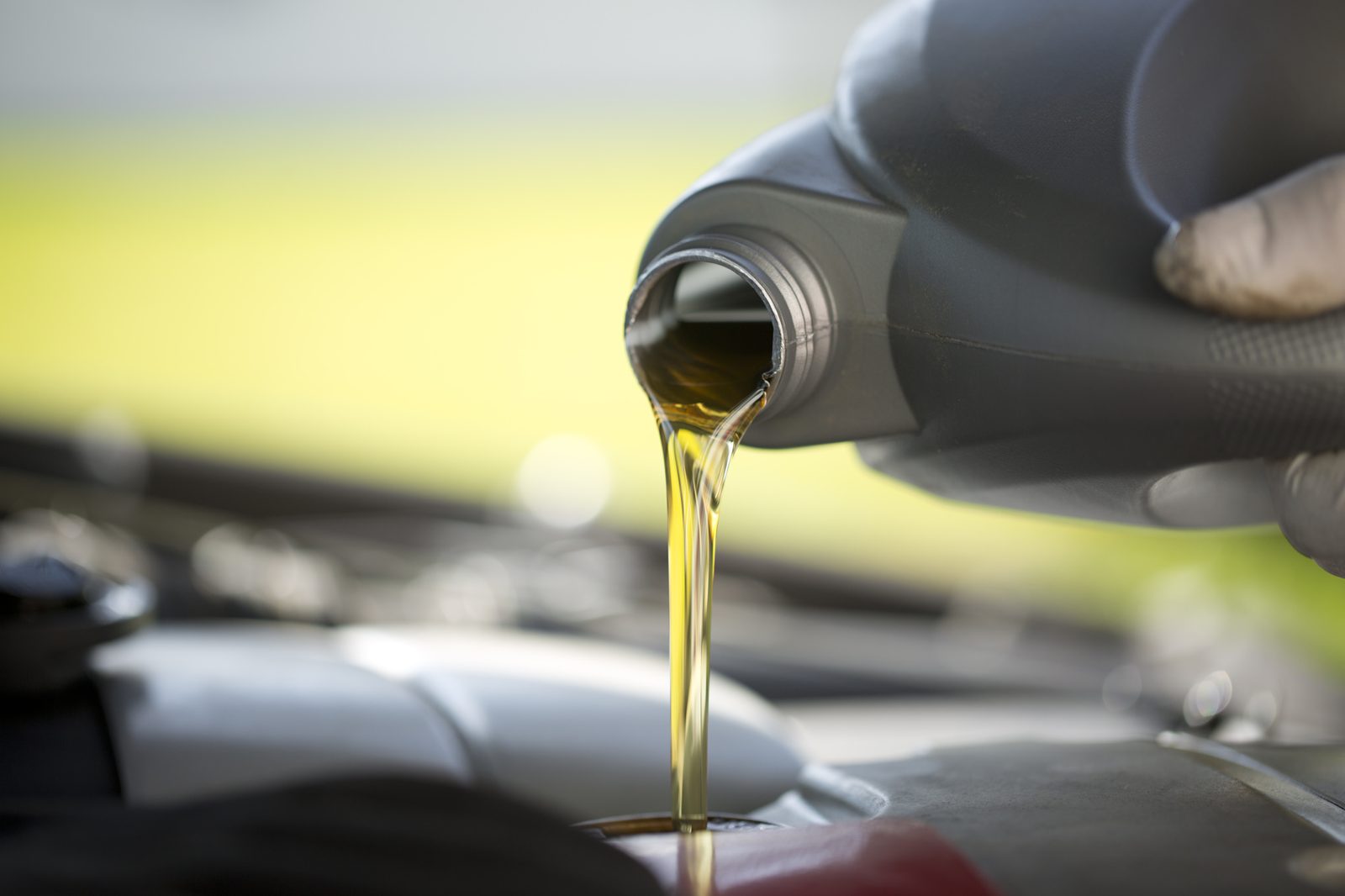
A lubricant circulates inside equipment and protects machine elements. A metalworking fluid handles the moment a material is cut or pressed into shape. Both form a film between two surfaces to reduce friction, but one stays in the system and the other ends up on the product. When two metal surfaces move while in contact, force and heat concentrate at the contact points. Left alone, the surfaces seize, wear particles form, and damage speeds up as the temperature rises. This area covers products that put a fluid or a film between the two surfaces to keep them apart, while carrying heat and wear particles away.
The categories are split by what the fluid works against. Equipment and service lubricants circulate inside the system to keep equipment running. Metalworking fluids handle the moment a material is cut or pressed into shape. Conditions where liquids cannot be used, such as high heat or vacuum, are grouped under specialty tribology, and greases take the places where a fluid would run off and not stay put.
Three things are weighed together when choosing. First, the load and speed at the contact surface, which set the film thickness needed. Second, the operating temperature and the type of contamination, since water, refrigerant or dust each call for different properties. Third, whether the fluid stays in the system or is consumed and left on the product. If it stays on the product, cleaning and the downstream process need to be considered as well.
- 1,140
Process conditions checked before a recommendation
- 70%
Unplanned shutdowns blamed on lubricant selection or management
Equipment/Service Lubricants
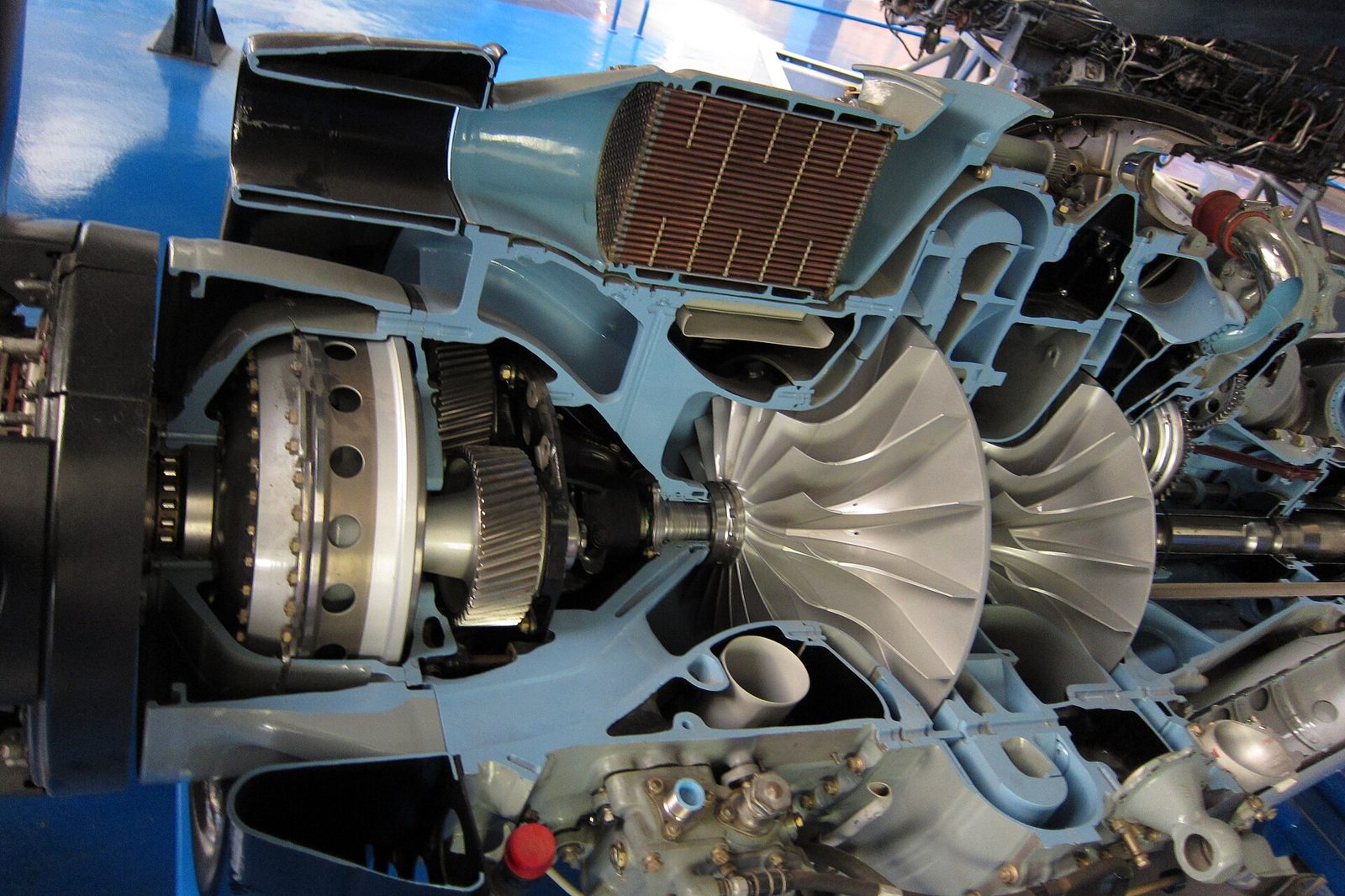
Fluids that circulate inside the system to control wear and heat so equipment keeps running. Turbines, compressors, hydraulics and gears each carry different loads and temperatures, so the properties they need differ too. 19 industries call for this category: Food & Beverage, Agricultural & Forestry Machinery, Paper & Packaging, Mining & Cement, Glass & Ceramics and more.
- Turbine oil
- Compressor oil
- Refrigeration compressor oil
- Circulating and bearing oil
- Slideway oil
- Chain oil
- Spindle oil
- Generator bearing oil
- Engine oil
- Automatic transmission fluid
- CVT and power-shift transmission fluid
- Pneumatic tool oil
- Transformer and insulating oil
- Vacuum pump oil
- Hydraulic oil
- Fire-resistant hydraulic fluid
- Gear oil
Metalworking fluids
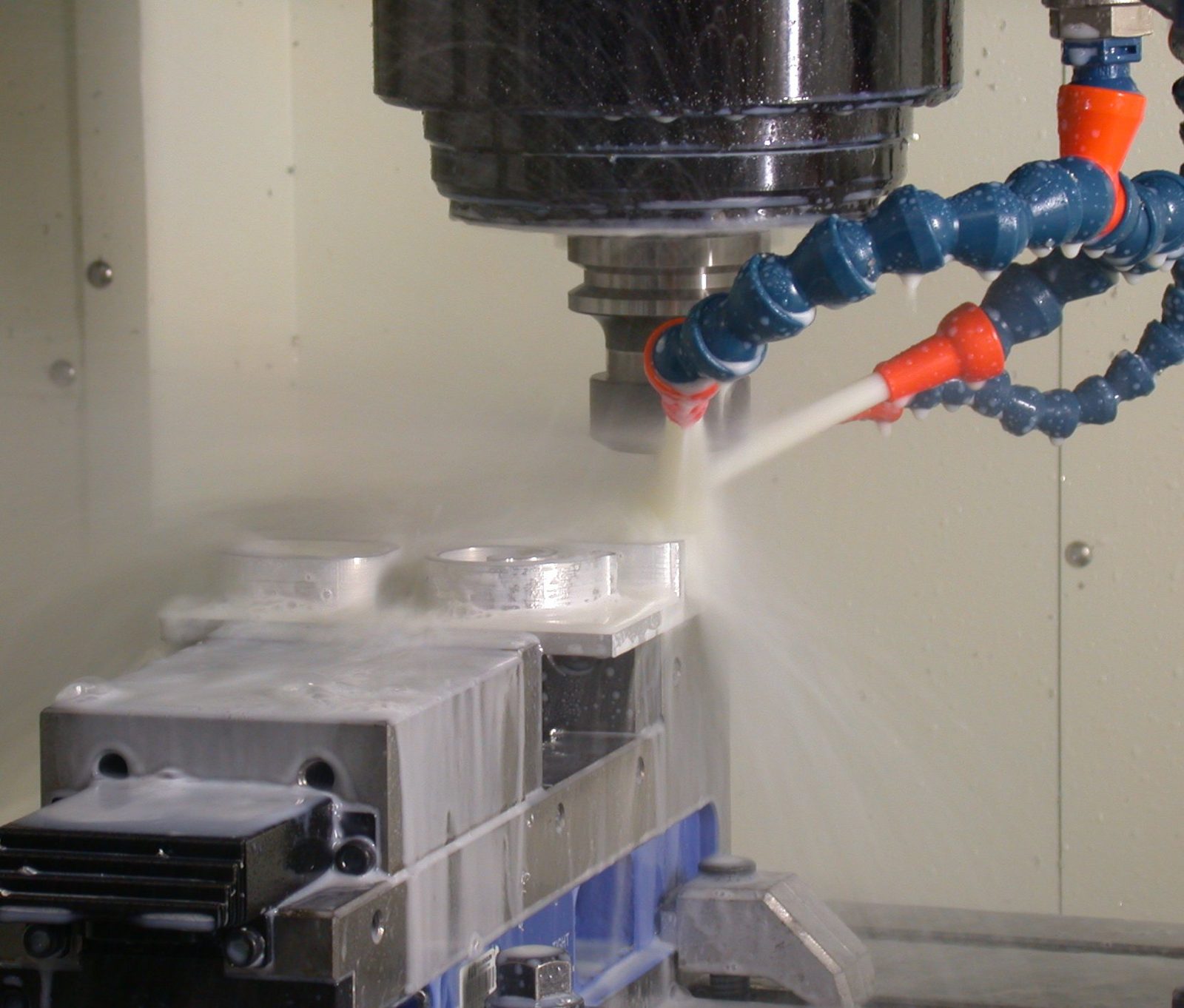
Handles the heat and friction of cutting and forming, split by machining method. Cutting, which produces chips, and press work, which stretches the material, have different needs and leave different cleaning loads after machining. 21 industries call for this category: Machinery & Precision Machining, Steel, Non-ferrous Metals, EV & Batteries, Solar and more.
- Cutting fluid
- Grinding fluid
- EDM fluid
- Wire and tube drawing fluid
- Deep-drawing fluid
- Forging lubricant
- Extrusion lubricant
- Rolling oil
- Fine-blanking fluid
- Stamping and punching fluid
- Bending fluid
- Coining and embossing fluid
- Honing and lapping oil
- Broaching oil
- MQL fluid
Specialty Tribology
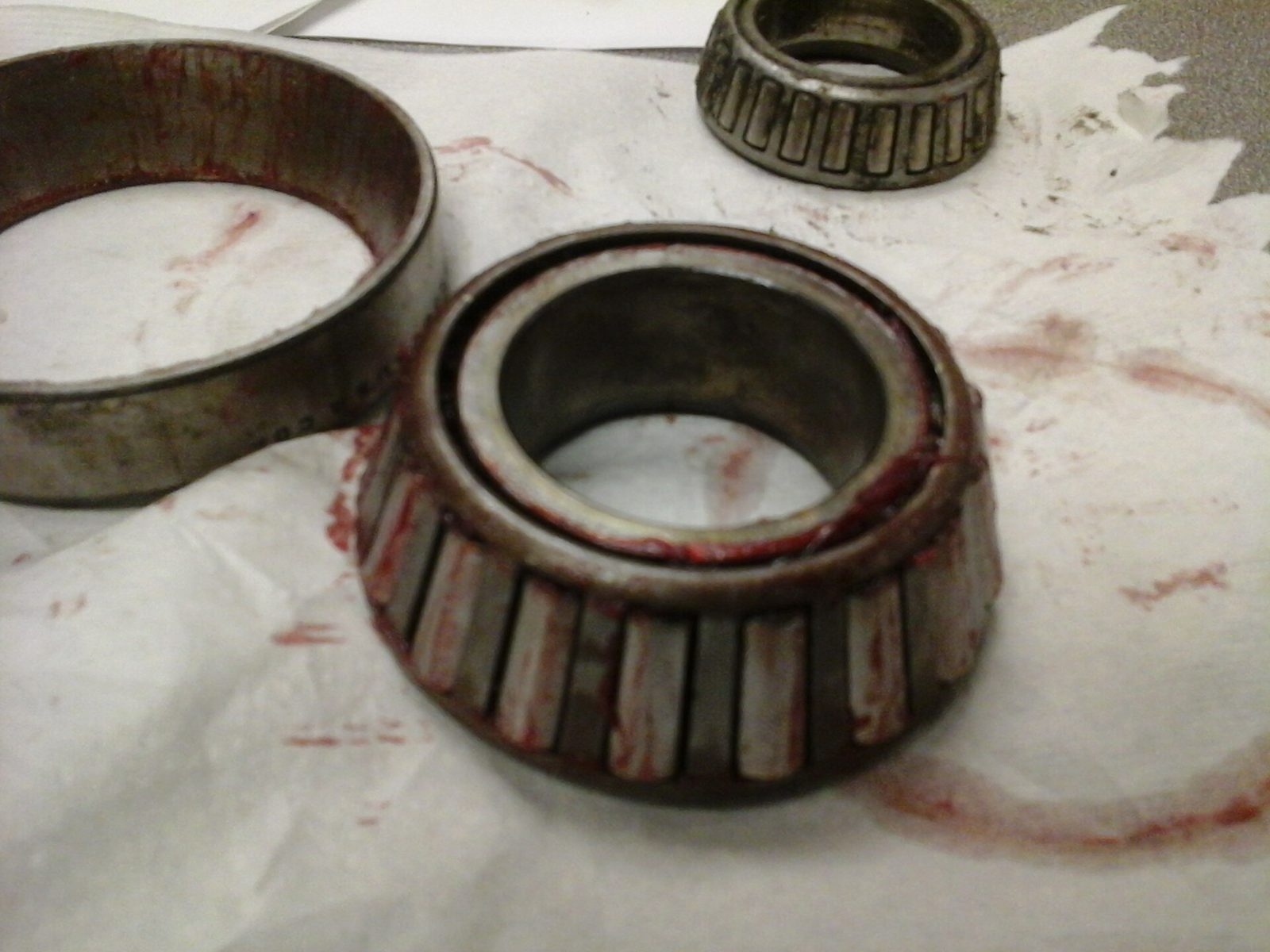
Lowers friction with a dry film under high heat and vacuum, where liquid lubrication cannot be used. Used where oil would evaporate or run off, and where no oil residue may remain. 2 industries call for this category: Robotics & Logistics Automation, Rail.
- Dry-film lubricant
- Solid lubricant powder
- Vacuum lubricant
- Assembly paste

Greases
Stays in place as a semi-solid where oil would run off, and keeps lubricating. The thickener holds the oil and releases it little by little according to load and temperature. 23 industries call for this category: Food & Beverage, Robotics & Logistics Automation, Mining & Cement, Paper & Packaging, Wind and more.
- General-purpose grease
- Extreme-pressure grease
- High-temperature grease
- Low-temperature grease
- Water-resistant grease
- Food-grade grease
- High-speed bearing grease
- Open gear grease
FAQ
Why does my refractometer reading not match the actual coolant concentration?
A refractometer reads the refractive index of the whole mix, not the coolant alone. The Brix reading has to be multiplied by the refractometer factor for that specific product, which is on its technical data sheet. Switching brands and keeping the old product's factor is a frequent mistake on the shop floor.
Aged fluid reads high even with the correct factor. Emulsified tramp oil, hardness salts concentrated by evaporation and dissolved metals all raise the refractive index. A fuzzy, smeared borderline instead of a sharp one is the warning sign. If you trust that reading and cut back on concentrate, you end up machining with a fluid that is leaner than you think.
Use the refractometer for daily trending and cross-check it periodically by another method. For synthetics and semi-synthetics with enough alkalinity, an alkalinity titration run with the manufacturer's method and factor is less affected by tramp oil. An acid split test, used for oil-rich emulsions, releases emulsified tramp oil along with the product oil, so account for the tramp oil share in its result. When the two numbers start to drift apart, the gap itself is a sign that contamination is building up. Zero the instrument with distilled or deionized water and take the sample from circulating fluid, not from the oily surface.
Why does coolant smell rotten after a weekend, and how do we extend sump life?
The rotten-egg smell at the first start after a break is usually hydrogen sulfide produced by anaerobic bacteria such as sulfate reducers. When circulation stops, dissolved oxygen drops and a layer of tramp oil seals the surface, which is exactly the environment these bacteria like. Chip-packed tank bottoms and dead legs in the piping are where they settle in.
Growing microbes consume emulsifiers and corrosion inhibitors, so pH falls and rust, emulsion instability and shorter tool life follow. Fungi form slimy mats that plug filters and nozzles. A slow downward pH trend often shows up before the smell does, so log it alongside concentration.
The basics of sump life are holding concentration in range, removing tramp oil and fines, and keeping the fluid moving or aerated during idle periods. A lean mix also dilutes the product's built-in biostability and buffering, which lets microbes get ahead. Use dip slides to check bacteria and fungi separately, and add only the biocide types and doses the fluid manufacturer allows.
Recharging a system that already carries biofilm brings the problem back quickly. When you dump, add a system cleaner to the old fluid and circulate it first, then drain, rinse and recharge.
Where does tramp oil come from and how should we control it?
Tramp oil is any machine oil that leaks into the coolant, such as way oil, hydraulic oil, spindle oil and gear oil, plus rust preventives and forming oils carried in on incoming parts. It exists as free oil floating on top, as mechanically dispersed oil that rises again given time, and as oil that the coolant's emulsifiers hold stably in the mix. The emulsified fraction is the hard one to remove. Skimmers only take off floating oil, so dispersed oil needs idle time to rise or a coalescer, and emulsified oil needs a high-speed centrifuge.
Tramp oil seals the surface and feeds anaerobic growth, increases mist and smoke, and consumes emulsifier until the fluid destabilizes. It also inflates refractometer readings so the sump looks richer than it is. Skimming or coalescing the free oil continuously, and letting it rise during idle time, is the baseline.
The lasting fix is reducing the inflow and pairing the fluids properly. Some way oils are formulated to reject the coolant and float out cleanly, others are designed to emulsify into it. Machines with skimmers usually suit a rejecting way oil, while small machines with little leakage and no practical way to skim can suit an emulsifying one. Run a mix-and-separate test with your actual coolant before choosing, and check whether the way lube metering is set higher than the machine builder recommends, which is common.
How does water hardness affect emulsion stability in water-miscible coolants?
Calcium and magnesium ions react with anionic emulsifiers to form insoluble metal soaps. The emulsifier is used up, oil droplets grow, the fluid creams or splits, and sticky residue builds on machines and filters. Some corrosion inhibitors get consumed the same way, so rust follows.
What is easy to miss is that hardness keeps climbing in service. Water evaporates but the minerals stay, so topping up with the same tap water steadily concentrates hardness and salts in the sump. When a fluid that ran fine for months suddenly destabilizes, suspect this build-up first.
The usual remedy is RO or deionized makeup water. Some products foam more in very soft water, though, so check the hardness range on the data sheet for the product you run. If your raw water is hard, make hard-water stability a selection criterion from the start, and include chlorides and sulfates in the makeup water analysis because they drive corrosion as well.
Coolant foam has suddenly increased. What should we check first?
Foam needs two things: air being whipped into the fluid, and a fluid that holds the bubbles. Start with the mechanical side. Is the sump level low enough for the pump to draw air, is high-pressure coolant or a long return drop splashing the fluid, is there an air leak on the pump suction?
Then look at the fluid. Running above the target concentration means more surfactant and easier foaming. If you recently switched makeup water to softened or RO water, hardness may now be too low for that product. Parts washer chemistry or another process fluid getting into the sump will also cause a sudden jump.
Defoamer is the last step, after the cause is dealt with. Fine filters can strip defoamer out of the fluid by retention or adsorption, so its effect is often short-lived, and an overdose, especially of a silicone defoamer, can leave residue on parts that interferes with later painting or coating. If you are adding high-pressure coolant, confirm during selection that the product is formulated for low foam at that pressure.
Operators get skin irritation from metalworking fluid. What should we look at first?
Most MWF skin problems are irritant contact dermatitis. Skin kept wet with an alkaline fluid loses its natural oils, and fine chips cause micro-abrasions on top of that. Check first that actual concentration and pH are inside the specified range. Fluid run rich, or a habit of handling concentrate bare-handed, is a frequent cause. Heavy tramp oil or solvent contamination also strips the skin's oils, so check for that too.
Allergic dermatitis follows a different route. Nickel, cobalt or chromium dissolved from the workpiece or tooling, or biocides such as isothiazolinones and formaldehyde releasers and fragrance components, can sensitize workers. If symptoms rose after you started grinding carbide, which can leach cobalt from the binder, or after adding a tankside biocide, suspect sensitization and have an occupational physician assess it.
Control starts with reducing contact time: fluid-resistant gloves and aprons, changing out of soaked clothing promptly, and mild cleansing and moisturizing at breaks. Barrier creams do not replace gloves. Mist from microbially contaminated fluid is also linked to respiratory hypersensitivity, so where skin complaints appear, check the microbial condition of the sump and the mist collection as well.
How do we select a viscosity grade, and is going one grade heavier safer?
The ISO VG number is the midpoint kinematic viscosity at 40 degrees C, with each grade allowing plus or minus 10 percent around it. The OEM recommendation comes first; after that the question is whether the oil forms an adequate film at the actual operating temperature. Two oils of the same VG but different viscosity index will have different viscosities at operating temperature, so do not judge on the 40 degree figure alone.
For rolling bearings, the operating viscosity is compared with the rated viscosity required for that bearing size and speed, and that ratio feeds directly into bearing life calculations. Gear oil viscosity is selected from pitch line velocity, load and operating temperature, hydraulic oil viscosity from the operating viscosity window the pump maker allows. Slower, more heavily loaded and hotter means higher viscosity.
Going heavier by default is not safe. In fast bearings, churning losses raise the temperature, the viscosity drops back at that temperature and you can gain little except faster oxidation. In hydraulics, a heavier oil can cause poor pump suction and cavitation at cold start; in circulating systems it can hurt air release and filtration. If wear is the issue, contamination levels and additive type are more often the real lever than viscosity.
Can we top up with a different brand of lubricant?
Between mineral oils of the same type and the same viscosity grade, a small top-up rarely causes immediate trouble. The risk comes from different additive chemistries. Zinc-based antiwear hydraulic oil meeting a zinc-free one, or detergent engine oil getting into a turbine oil, can produce precipitates or degrade foam control, air release and demulsibility.
Different base stocks call for more caution. Conventional PAG oils are not miscible with mineral oil or PAO and can separate or gel. Mineral oil in a phosphate ester fire-resistant fluid reduces its fire resistance, and the two need different seal materials. Refrigeration compressor oils are tied to the refrigerant they are compatible with.
If you plan to change brands, do not migrate by top-up. Run a compatibility test first: blend the in-service oil and the new oil, store the mix, and check for sediment, haze, foam and water separation. Even with a clean result, critical systems such as turbines and large hydraulic units are better changed over with a drain and flush. Where the OEM keeps an approval list, confirm the new product is on it.
What happens when greases with different thickeners are mixed?
Most of a grease's behavior comes from how its thickener structure holds the oil. Lithium, lithium complex, calcium sulfonate complex, aluminum complex, polyurea and clay-based bentonite thickeners are built differently, and when mixed the structure can collapse so the grease softens and runs out, or it can harden. A lower dropping point, so the mix no longer holds up at temperature, is a common outcome.
As a general rule, greases of the same thickener family mix with fewer problems, while polyurea and clay greases are known to be incompatible with many other thickeners. Base oil and additive differences change the result even within one thickener type, so a test on the two actual products outranks any generic compatibility chart. ASTM D6185 sets out the practice for evaluating binary grease mixtures.
When changing products, clean the bearing out if you can. If not, open the relief port, purge the old grease thoroughly with the new one, and shorten the relubrication interval for the first few cycles. In plants running several greases, color-coding grease guns and fittings is a simple and effective way to stop cross-contamination.
How do we set bearing relubrication intervals and quantities?
The interval depends on bearing type, size and speed, operating temperature, and contamination and vibration. Bearing manufacturers publish charts and formulas for a base interval, and for temperature, with good-quality lithium soap and mineral oil greases, a widely used rule of thumb halves the interval for every 15 degrees C above about 70 degrees C at the outer ring. Oxidation and evaporation of the grease's base oil accelerate quickly with heat. High-temperature greases follow their manufacturer's data.
More grease is not better. A housing packed full churns the grease, runs hot, can push seals out and ages the grease faster. A temperature rise right after relubrication that settles back down is normal purging; a temperature that stays up points to overgreasing. Start from the bearing maker's quantity formula based on bearing dimensions.
Calendar intervals become more accurate when combined with condition. Ultrasonic monitoring, greasing in small shots while the reading falls and stopping before it starts to rise again, is the common method, and vibration and temperature trends add evidence. Where dust or water is heavy, shorten the interval on purpose so the fresh grease flushes out old grease and contaminants.
In oil analysis, what do ISO 4406 cleanliness, TAN and water content each tell us?
The ISO 4406 code reports the number of particles per mL at or above 4, 6 and 14 µm(c) as three scale numbers. Each step up in a scale number roughly doubles the particle count. Systems with tight clearances, such as servo valves or precision bearings, need lower target codes. A sudden jump points first to filter condition and to ingress through breathers and seals.
Total acid number measures acidic compounds in the oil and rises as the oil oxidizes. The increase over new oil and the trend matter more than the absolute value. In long-life oils such as turbine oils, antioxidants are depleted well before TAN climbs much, so tracking remaining antioxidant directly or RPVOT results gives earlier warning of the end of life.
Water is measured by Karl Fischer titration down to ppm level. It weakens the oil film, speeds oxidation and sharply reduces rolling bearing fatigue life. Visibly hazy oil is already past saturation and carries emulsified or free water. For all three, a trend from samples taken at the same point, by the same method, with the system running, is worth more than any single number.
When should a lubricant be changed, and when is topping up enough?
Topping up replaces oil that was consumed or leaked; changing is for when the oil itself has reached the end of its useful life. If viscosity has moved well away from new oil, if TAN has clearly risen while antioxidants are nearly depleted, or if additive elements have dropped sharply, top-up will not bring it back. For industrial oils, plus or minus 5 percent from new oil is commonly used as the caution limit and plus or minus 10 percent as the critical limit.
When contamination is the problem, removing the cause comes before changing the oil. If the oil is chemically healthy but carries particles or water, offline filtration or dehydration can restore it, and fresh oil into an unchanged system just repeats the result. The larger the system volume, the more these clean-up options make economic sense.
Top-up volume is data too. Rising top-ups mean a leak to find, and systems with high makeup rates keep receiving fresh additive, which can make the analysis look better than the oil really is. Record makeup volumes next to the analysis results, and if you change on a fixed schedule, use the analysis to check whether that interval is right.
What makes a hydraulic fluid fire-resistant, and how do we choose the type?
Fire-resistant does not mean non-combustible. It means that when a burst line sprays fluid onto a hot surface or flame, it is hard to ignite and does not sustain or spread a fire. There are two routes: water-containing fluids, where evaporating water absorbs heat and steam displaces oxygen, and synthetic fluids whose chemistry is inherently hard to burn. ISO 6743-4 classifies them as water-containing HFAE, HFAS, HFB and HFC and water-free HFDR and HFDU, and ISO 12922 sets the minimum requirements for each type in general industrial systems. Aerospace and power generation are outside the scope of ISO 12922, so turbine control fluids in power plants follow the standards for that sector and the turbine manufacturer's specification.
Water glycol HFC fluids are widespread in steel mills and foundries and offer strong fire resistance, but water content must be managed and pump pressure ratings and bearing life may be reduced. Phosphate ester HFDR fluids are highly fire-resistant without water and are used in applications such as turbine control systems, but they demand specific seal materials and internal coatings and generate acids by hydrolysis, so acid number must be controlled. HFDU fluids such as polyol esters are a relatively easy conversion from mineral oil but have lower fire resistance, and ISO 12922 itself notes that most HFDU fluids are better described as less flammable than as fire-resistant.
Start by confirming whether your insurer or site safety standard requires an approval such as FM Approvals. Then check that the pump manufacturer permits that fluid type and whether operating pressure must be derated. When converting from mineral oil, verify seal, hose, filter and paint compatibility and flush out residual mineral oil thoroughly, or the fluid will not deliver its rated performance.
What matters in a dry-film lubricant for vacuum or high-temperature service?
Each solid lubricant has its own working environment. Molybdenum disulfide shears easily between layers on its own, so it gives low friction in vacuum and dry gas, but in humid air moisture adsorption and oxidation raise friction and shorten life. Graphite is the opposite: it needs adsorbed water or vapor between its layers to slide, so it performs poorly in vacuum or very dry conditions. In hot air, graphite tolerates higher temperatures than MoS2.
With bonded coatings, the binder often sets the limit. Organic resin binders have defined cure conditions and temperature ceilings, and inorganic-bonded products are used where it gets hotter. In vacuum chambers, outgassing from binder and residual solvent is the concern, so check ASTM E595 results for total mass loss and collected volatile condensable materials. The screening limits widely used in spacecraft work are 1.0 percent TML and 0.10 percent CVCM.
Much of the performance is decided at application. Degrease, create an anchor profile by grit blasting or phosphating, apply a thin coat to the specified thickness and cure exactly as specified. Thick films eat into fit tolerances and flake off. Because a dry film is not replenished, test its wear life in cycles or running hours beforehand and set inspection intervals from that.
Do we need H1 metalworking fluid for food equipment or food-contact parts?
NSF H1 is a registration for lubricants used where incidental food contact can occur in food processing, with formulations based mainly on substances permitted under FDA 21 CFR 178.3570 and GRAS substances. It is a standard for lubricating equipment running inside a food plant. It is not automatically required for coolant in a machine shop making parts that will later touch food; those parts normally go through cleaning, and stainless parts through passivation as well, and the customer's cleanliness specification is the real requirement.
H1 matters in specific cases: cutting and tapping fluids used in a food plant's own maintenance shop, machining or forming carried out close to food lines, and customers who require H1 across their supply chain. Surface lubricants for forming metal articles that contact food, such as cans and foil, fall under 21 CFR 178.3910 with its own list of permitted substances and residue limits, and NSF registers them under category U1 rather than H1.
H1-registered metalworking fluids are restricted in what they can contain, so extreme-pressure performance, bio-resistance and corrosion protection can differ from conventional products. Using H1 where it is not needed can cost machining performance for no benefit. Establish whether the requirement comes from a customer specification or a control point in a HACCP plan, and decide whether ISO 21469, which also covers manufacturing hygiene, is required.