Several ways to protect a metal surface
Rust prevention, corrosion remediation, coatings and surface treatment. The protection differs at every stage a part passes through, from receiving to sea freight.
What material protection and surface engineering covers
Material protection and surface engineering covers using chemicals to slow or reverse damage to metal surfaces, and changing the surface itself to extend service life. It divides into keeping a clean surface clean, restoring a surface that is already damaged, and changing the surface itself. Metal starts to change the moment it meets oxygen and moisture in the air. The few days a finished part waits between processes, the months it sits in a warehouse, and the weeks it crosses the sea in a container are all stretches where that change continues. This area covers the order in which a surface is damaged over those stretches, and how far chemicals can prevent it.
The categories follow the condition of the surface. Keeping a clean surface as it is falls under corrosion prevention, and cleaning up a surface where rust has already formed falls under corrosion remediation. Places where covering does not work as is, such as threaded joints and electrical contacts, are grouped separately under corrosion special purpose. Changing the surface itself to add a layer that lasts for the life of the product, rather than temporary protection, is coatings and surface treatments.
The starting point for selection is the protection period. For temporary protection of a few days to a few months, use a layer that can be removed before assembly or painting. If the protection must last the whole life of the product, use a layer that stays on. Once this is settled, the remaining choices narrow according to the storage environment and the needs of the downstream process.
- 596
Process conditions checked before a recommendation
- 3.4%
Corrosion damage as a share of world GDP
Corrosion Prevention
Adds a layer to a clean surface to delay the onset of rust during storage and transport. There are rust preventive oils and waxes applied directly, and VCI products that protect the whole space inside a package through vapor. 27 industries call for this category: Defense, Steel, Food & Beverage, Refining & Petrochemical Plants, Aerospace and more.
- Rust inhibitor
- Rust preventive oil
- Rust preventive wax and compound
- VCI film and liquids
- VCI paper and emitters
- VCI foam inserts
- VCI powder
- Passivation chemicals
Corrosion Remediation
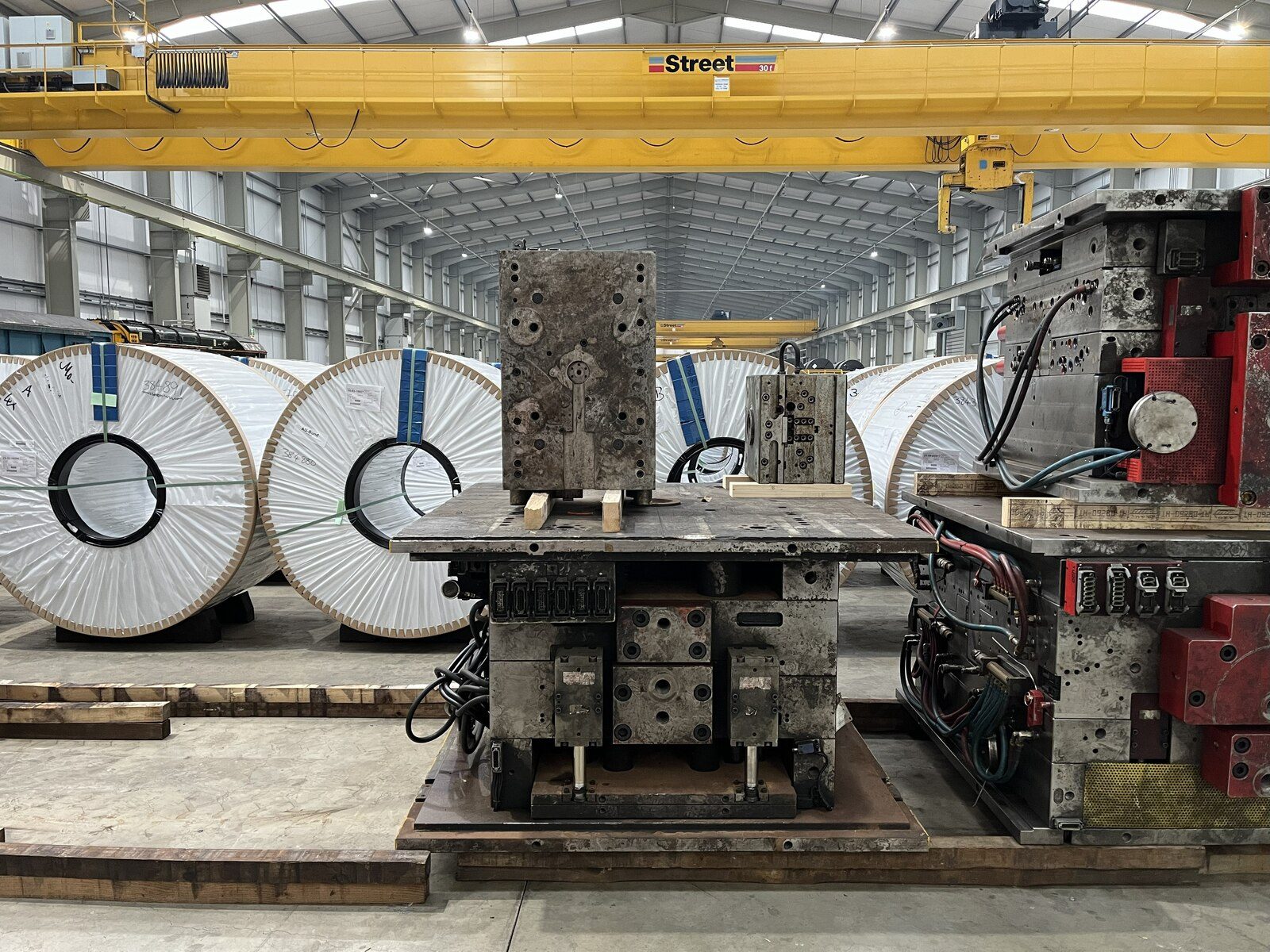
Removes rust that has already formed and contamination the eye cannot see, or converts it into a stable layer. Stripping it off physically differs from leaving it in place and converting it into a stable compound. 6 industries call for this category: Steel, Non-ferrous Metals, Casting & Forging, Nuclear, Wind and more.
- Rust remover
- Rust converter
- Salt remover
Corrosion Special Purpose
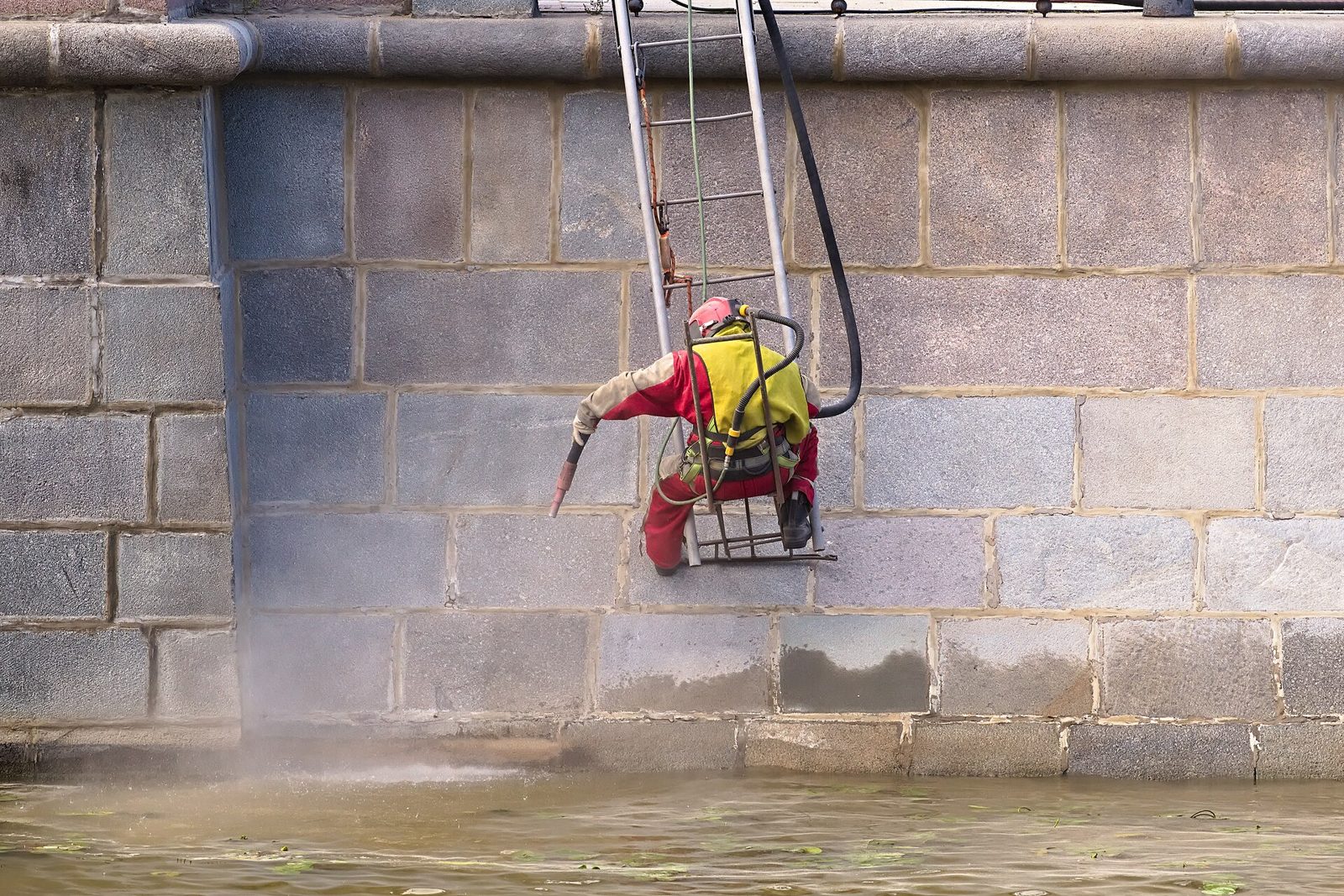
Covers places that are hard to coat, such as joints that must be undone again and contacts that must conduct electricity. A thick film would seize a thread or break a contact, so a thin layer that does not block the function is needed. 11 industries call for this category: Space, Solar, Electronics & Display, EV & Batteries, Robotics & Logistics Automation and more.
- Anti-seize compound
- Electrical contact protectant
- Conformal coating
- Dielectric grease
Coatings & Surface Treatments
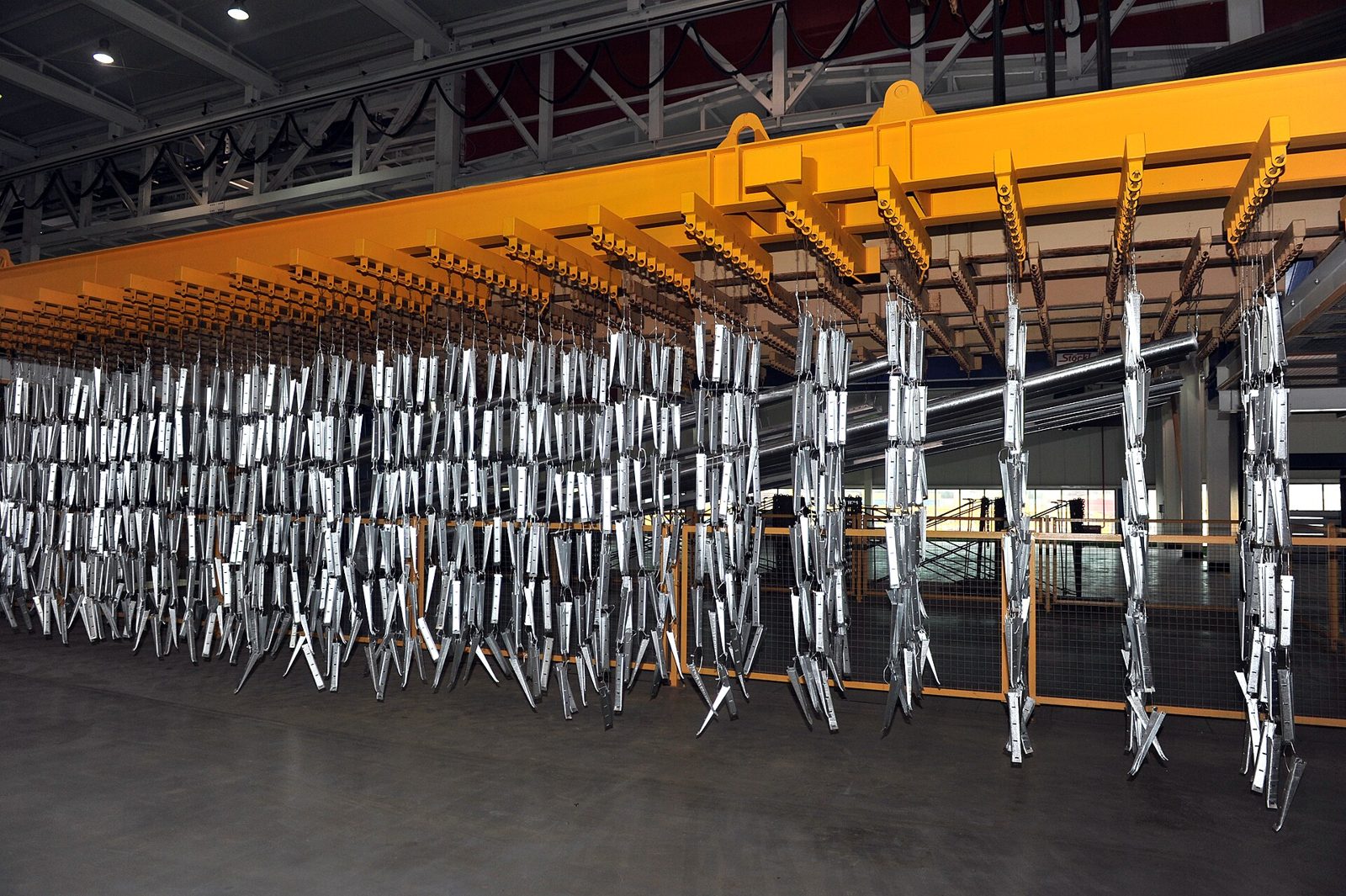
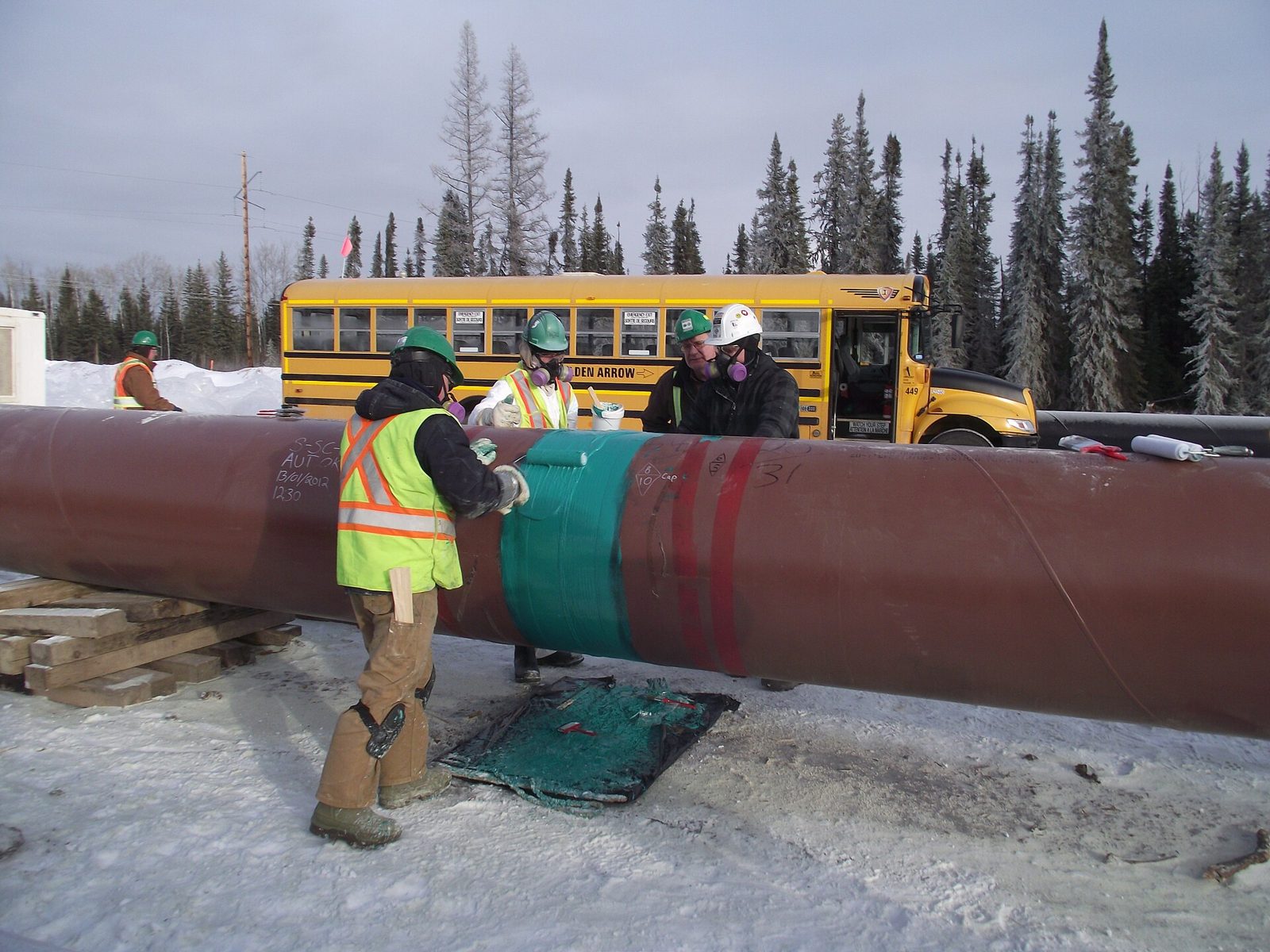
Changes the surface itself to add a film that lasts for the life of the product and sets its appearance too. Painting on top, conversion coatings that react with the material, and plating that deposits metal electrically are different processes. 16 industries call for this category: Space, Defense, Electronics & Display, Shipbuilding & Offshore, Thermal & Combined-cycle Power and more.
- Protective coating
- Ceramic pretreatment
- Functional coating
- Powder coating
- Electrocoat
- Zinc-rich primer
- Sol-gel and ceramic conversion coating
- Phosphate conversion coating
- Plating chemicals
FAQ
What does a rust preventive's 'several months indoors' protection depend on?
That figure comes from one film type and thickness under one set of test or storage conditions, and real sites can shorten or stretch it considerably. The first variable is film type and storage environment. An oil, a soft film and a hard film last very differently under the same conditions, and whether the parts are covered or packed also changes the result. In the environment, look at temperature cycling before humidity alone. When a warehouse heats up by day and cools at night, part surfaces drop below the dew point and condensation forms, and a thin oil film does not hold out long against repeated wetting. Airborne chlorides near the coast, acid fumes near boiler houses or plating lines, and acidic vapors from packaging such as unseasoned wooden pallets or cardboard also cut the time down.
The second variable is the surface the film went onto. Coolant or wash water that was not fully dried, or salt from bare-hand handling, will start rust under an intact film. If rust appears in the shape of fingerprints, look at handling before you look at the product.
The third is how much film is still there. Low-viscosity films drain off vertical faces and get wiped off during stacking and transport. Rather than relying on the datasheet number, the practical check is to put sample parts in the real packaging at the real storage location and open them at set intervals.
How much do salt spray and humidity cabinet hours tell us about real storage life?
Neutral salt spray to ASTM B117 or ISO 9227 exposes parts to a continuous 5% sodium chloride fog at 35°C. ASTM D1748 coats steel panels with the preservative, holds them in a saturated humidity cabinet at 48.9°C for a specified number of hours, and rates pass or fail by the number and size of rust dots. Both are used to rank products against each other under fixed conditions and to screen out unsuitable ones. ASTM D1748 itself states that its results are for screening and for indicating a probable relative order of protection, and that it should not be relied on where high humidity is not the principal cause of rusting.
What they do not give you is a service life. There is no formula that converts test hours into months, and ASTM B117 itself notes that salt spray results used as stand-alone data have seldom been correlated with performance in natural environments. Salt spray is a constantly wet condition with no wet and dry cycling, no UV and no condensation cycles, so the corrosion mechanism differs from real atmospheres, and for some coating systems the ranking in the cabinet is known not to match the field.
So choose the test that resembles the actual risk. For indoor storage oils, the humidity cabinet or a condensation test such as ISO 6270-2 is closer to the real threat, which is condensation. For sea freight or coastal yards, salt spray is a reasonable basis for comparing products, not for predicting life. For coating systems, a cyclic test that alternates wet, dry and UV phases, such as ASTM D5894, or for offshore structures the ISO 12944-9 cyclic ageing test, sits closer to field behavior. When comparing suppliers, first confirm that the test method, film thickness and rating criteria are the same.
How does VCI actually protect metal, and when does it fail?
Volatile corrosion inhibitors slowly vaporize from the film, paper or oil, fill the enclosed space and adsorb onto metal as a very thin molecular layer that blocks the sites where water and oxygen would react. That lets VCI reach internal cavities no brush or spray can reach, but it depends on the vapor staying in the enclosure at a high enough concentration.
Most failures come from breaking that condition. A torn bag or a poorly closed opening lets air exchange and the concentration never builds. Too little VCI for the package volume, or parts farther from the VCI source than the distance the manufacturer specifies, has the same effect. If a fresh package goes straight into harsh conditions, condensation can arrive before the space has saturated. And VCI cannot fix parts that were packed wet or already carry rust or salt.
Check the metals too. Some VCI chemistries made for ferrous parts can stain or attack copper, brass, zinc-plated surfaces or aluminum. For mixed-metal packs, choose a multi-metal grade and confirm it on coupons of the actual alloys before you commit. Check painted surfaces, elastomers and optics for compatibility the same way.
Why do parts flash rust right after aqueous cleaning?
Freshly cleaned steel is highly reactive, with every trace of protective oil gone. If water stays on it, a thin orange-brown rust can appear within minutes to hours. So the cause is usually less about the cleaner itself and more about how long water remains on the part and what is dissolved in it.
Check three things first. Has the inhibitor concentration in the wash or rinse stage dropped through drag-out and depletion? Has rinse water conductivity or chloride crept up? Are there places where drying is slow? Nested parts, blind holes and threads hold water and rust first. A final rinse in pure water removes salts but also strips any alkaline or inhibitor residue, so without an added inhibitor the steel is left unprotected until it is dry.
Temperature matters too. Parts coming out of a hot wash dry quickly, but cool parts moved into a warm, humid area will collect condensation. The usual fix is an inhibitor in the rinse held at a controlled concentration, fast water removal with air knives or hot air, and, if parts wait a long time between operations, a water-displacing rust preventive applied right after drying.
For export by sea, should we use oil, wax or VCI?
The main risk in sea freight is condensation inside the container. As the ship crosses climate zones and day and night temperatures swing, moisture forms on the container roof and walls and drips onto the cargo, while wooden pallets and cartons release moisture and push humidity higher. So the choice comes down to transit time, how exposed the parts are, and what the receiver has to do before using them.
Preservative oil is inexpensive and easy to remove, so it is the default for most parts, but wherever it drains or gets wiped off becomes the weak spot. Wax or hard-film compounds hold up better on long voyages, outdoor storage and exposed machined faces, but the receiver needs a removal step and the right cleaner. VCI suits assemblies and parts with internal cavities as long as the enclosure stays sealed, and where only VCI film, paper or emitters are used, the parts can often go straight into use on arrival.
In practice a combination is common, such as a light preservative or VCI oil under a VCI bag. For long voyages, a sealed barrier-foil bag with a desiccant quantity calculated to a standard such as DIN 55474 is also common. The often-missed failure is a package opened at customs or incoming inspection and never properly resealed. If opening is likely, put the reseal method into the packing instruction. Before fixing the packing specification, confirm what residue the receiver's assembly or painting process can tolerate.
How to remove rust preventive before painting or assembly, and know it is gone?
The removal method follows from the type of preventive. Soft solvent-cutback films and preservative oils mostly come off in alkaline degreasing, but waxes and hard films need higher temperature, longer time and mechanical action, and sometimes a separate solvent step. Films that have sat in storage for a long time oxidize and harden, and become much harder to remove than when fresh.
The fastest check is the water-break test. If water sheets evenly over the cleaned surface without breaking, little hydrophobic residue remains; if it pulls back into beads or islands, oil is still there. ASTM F22 standardizes the test as withdrawing the part vertically from water and watching whether the film breaks within one minute, and treats it as a go or no-go check rather than a quantitative one. Rinse thoroughly and test with clean water. For demanding processes such as bonding or high-quality finishing, add dyne inks or contact angle measurement to look at surface energy.
The lasting fix happens upstream. Choosing the preventive with the next process's degreasing conditions and residue limits in view cuts both cleaning cost and defects. If paint adhesion failures suddenly rise with no change to the part, check first whether the preventive or its application weight has changed.
How do a rust converter and a rust remover differ, and when is each used?
A rust remover dissolves the rust layer with acid or chelating chemistry and exposes bare metal. A rust converter uses tannic or phosphoric chemistry that reacts with the rust and turns it into a more stable compound that serves as a base for paint. The end states differ: a remover leaves clean metal, a converter leaves converted rust.
Removers suit parts that can be dipped or run through cleaning equipment, and work that needs a high-performance coating or tight dimensions afterward. Derusted steel rusts again quickly, so the line has to flow straight into rinsing, neutralizing and then preservation or painting. When acid-treating high-strength steel or hardened fasteners, there is a hydrogen embrittlement risk, so check the baking requirement in the governing specification.
Converters are the practical option on large structures and field repairs where blasting is not feasible. Loose rust and heavy scale must be brushed off first, and the remaining rust has to be tightly adherent for conversion to work. Converters do not remove salts, and coating specifications for immersion or highly corrosive service often do not accept them as a substrate. Confirm that the coating system's specification allows it before you rely on one.
Why does joining dissimilar metals speed up corrosion, and how do we prevent it?
When two metals with different potentials are electrically connected and share an electrolyte such as water or salt film, they form a small cell. The more active metal becomes the anode and corrodes in place of the other, while the more noble metal is protected. Stainless bolts in aluminum plate and copper pipe joined directly to steel are classic cases. The galvanic series in seawater is the starting point for judging which side will corrode, and ASTM G82 covers how such a series is developed and used. Positions can shift in other electrolytes, so ASTM G82 recommends a series measured in the environment of interest.
Potential difference is not the only factor; area ratio often matters more. A small anode coupled to a large cathode concentrates the corrosion current on a small area and pits quickly, while a large anode with a small cathode corrodes much more slowly. That is why stainless fasteners in aluminum plate are often tolerable, but aluminum rivets in stainless sheet are not.
Prevention means breaking either the electrical path or the electrolyte. Isolating washers and sleeves break contact; sealants keep water out of the joint. If you rely on paint, do not coat only the anode. A single pinhole in a painted anode collects current from the whole bare cathode and pits severely, so the rule is to coat the cathode as well wherever possible.
How do we choose between copper, nickel and metal-free ceramic anti-seize?
Anti-seize is a carrier grease loaded with solid particles. At high temperature the carrier burns off, but the solids stay in the threads and keep the metal surfaces from welding together. So the choice is about whether those solids suit the fastener material, the temperature and the chemistry around the joint.
Copper grades are widely used on carbon and alloy steel fasteners, but on stainless or aluminum the potential difference can cause galvanic corrosion or staining, and they should be avoided where ammonia or acetylene is present. Nickel grades handle higher temperatures, stainless and more aggressive environments, and cover the places copper cannot go. Metal-free ceramic grades are for places where metal particles themselves are a problem, such as food processing, hot stainless joints and equipment sensitive to metal contamination. For food plants, also check for NSF H1 registration.
Nuclear plants and some special-alloy services limit halogen and sulfur content, and dedicated grades exist for them, so read the specification first. It is tempting to standardize on one product site-wide, but where joints of different materials and temperatures coexist, splitting into two or three clearly labelled grades usually reduces mistakes.
Can we keep the same tightening torque after applying anti-seize?
Often not. Most of the torque applied to a bolt is consumed by friction in the threads and under the nut face, and only a fraction becomes clamp load. Anti-seize cuts that friction substantially, so applying a torque value written for dry threads can push preload past design, yield the bolt or overcompress the gasket.
Use a torque value that assumes lubricated threads. If the equipment or fastener manufacturer gives a lubricated torque, follow it; if not, recalculate from the nut factor or friction coefficient published by the anti-seize manufacturer. The coefficient for the same product shifts with bolt material, plating and bearing surface condition, so for critical joints, confirm the actual value by torque and clamp force testing such as ISO 16047. Its basic scope is carbon and alloy steel fasteners from M3 to M39, tested at room temperature unless otherwise agreed. For pressure vessel and piping flanges, follow ASME PCC-1 or an equivalent site procedure.
Common site mistakes are using one torque table for both lubricated and dry bolts, and switching anti-seize products without updating the torque table. When you change the product, put the torque procedure on the revision list at the same time.
What does ISO 8501-1 Sa 2½ mean, and is meeting it enough before coating?
ISO 8501-1 grades the visual cleanliness of steel after blast or tool cleaning by comparison with reference photographs. Blast grades are Sa 1, Sa 2, Sa 2½ and Sa 3; hand and power tool grades are St 2 and St 3. Sa 2½ is very thorough blast cleaning: no visible oil, mill scale, rust or old coating, with any remaining traces showing only as slight stains in the form of spots or stripes. The standard also classifies the starting rust condition from A to D, so the comparison has to use photographs from the same starting grade.
The grade covers visible cleanliness only. It does not include two other factors that drive coating life: surface profile and invisible contamination. Profile is checked under ISO 8503, dust under ISO 8502-3, and soluble salts under ISO 8502-6 and 8502-9. A surface that meets the grade but lacks the profile the coating system needs can lose adhesion, and residual salts can blister in the same spots.
Also check the time between blasting and painting. On humid days a clean surface can rerust quickly, so unless the specification or coating manufacturer states otherwise, confirm by measurement that the steel temperature is at least 3°C above the dew point per ISO 8502-4, and judge the grade as it stands just before coating. Preparation grades and flash rust grades after water jetting are covered separately in ISO 8501-4.
Why are soluble salts under a coating a problem, and how are they measured?
No coating fully blocks water vapor. If soluble salts such as chlorides or sulfates remain on the steel, moisture that permeates the film forms a concentrated solution there, and osmotic pressure keeps drawing in more water until blisters form. Corrosion that starts this way spreads sideways under the film, so by the time it shows, it already covers a large area. Blasting does not fully remove salts from the bottom of deep pits and can even drive them into the surface.
The common method is to extract salts from a defined area with a patch cell per ISO 8502-6 and determine the amount by conductivity per ISO 8502-9. The acceptance limit comes from the coating specification or the governing rule; for example, for dedicated seawater ballast tanks of all ships of 500 gross tonnage and above and double-side skin spaces of bulk carriers 150 m and longer, IMO PSPC requires water-soluble salts, measured by a conductivity method such as ISO 8502-9, to be no more than 50 mg/m² expressed as sodium chloride.
Make salt testing standard for coastal plants, equipment exposed to de-icing salts, parts hydrotested with seawater and steel stored outdoors for long periods. If results exceed the limit, wash with high-pressure fresh water or a salt remover and retest; heavily pitted surfaces may need alternating washing and blasting. When coating failures keep recurring in the same spots, suspect salts before you blame the paint.
For paint pretreatment, should we use zinc phosphate or zirconium?
Zinc phosphate grows a crystalline phosphate layer that gives the paint a rough anchor, while zirconium pretreatments deposit a very thin oxide film on the nanometre scale. Zinc phosphate brings a long track record and a wide operating window; zirconium brings lower bath temperature, less sludge and a lighter burden from nickel and phosphate discharge.
When considering a switch, look at cleaning quality first. A zirconium film is so thin that any shortfall in degreasing shows up directly as adhesion failure. Zinc phosphate crystal growth can mask a little contamination; zirconium leaves almost no such margin. Rinse water quality and dwell time at each stage also need tighter control.
Next come substrates and the coating system. The answer changes depending on whether one line handles steel, galvanized steel and aluminum together, whether the topcoat is e-coat or powder, and whether the customer specification names a particular pretreatment. Before switching, compare the new process with the existing one on real parts and real paint, using adhesion tests and cyclic corrosion testing. Changing without evidence that results match or improve makes later problems hard to trace.
Why passivate stainless steel, and what does ASTM A967 cover?
Stainless resists corrosion because of a thin chromium-rich oxide layer. Free iron transferred from tools and fixtures during machining and handling, and sulfide inclusions exposed at the surface, rust first and show as brown specks. Passivation uses acid to dissolve that free iron and foreign matter so the chromium oxide layer can re-form evenly. It does not add a layer; it restores the material's own condition.
ASTM A967 sets conditions for nitric acid immersion, citric acid immersion and electrochemical treatments, and provides qualitative verification practices such as water immersion, high humidity, salt spray, copper sulfate and potassium ferricyanide-nitric acid tests. To know which treatment and which verification test apply, first check what the drawing or purchase order specifies. In aerospace, AMS 2700 is also used.
Two points are often missed on site. First, acid does not remove oil, so degreasing must be complete before passivation. Second, weld heat tint and oxide scale are not removed by passivation; they need pickling or mechanical removal first. Free-machining grades with added sulfur can be attacked under aggressive nitric conditions, so they need their own treatment parameters.
How do we decide between powder coating and liquid paint?
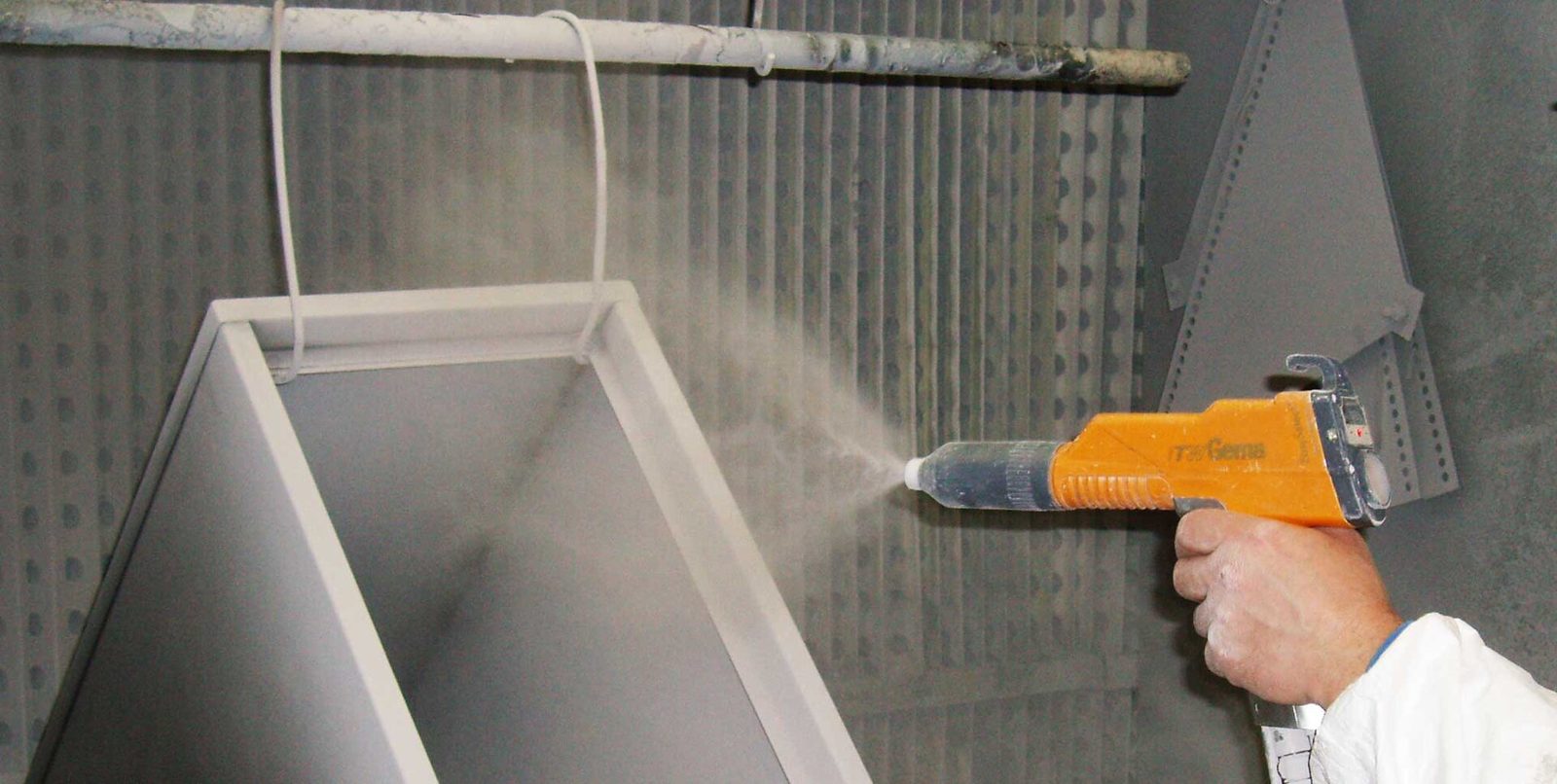
Powder is applied electrostatically without solvent and then melted and cured in an oven, so it builds a thick film in one pass, emits almost no VOCs and lets overspray be reclaimed. The trade-off is that the substrate and every component must tolerate the cure temperature. Assemblies with rubber or plastic, parts whose heat treatment must not shift, and structures too large for an oven go to liquid paint.
Geometry matters as well. Electrostatic powder struggles to reach inside corners and deep recesses because of the Faraday cage effect, and very thin, even films are hard to achieve. Porous castings outgas during cure and leave pinholes, so preheating or outgassing bakes are worth considering. Liquid systems can cure at ambient or low temperature, are easy to apply and repair in the field, and offer a wide range of options such as high-build systems for immersion service. If colors change often or batches are small, include color changeover time on the powder line in the comparison.
Decide the repair method in advance. Damaged powder coat is usually touched up with liquid paint in the field, so include the repair paint's adhesion and color match in the specification. Either way, pretreatment largely determines adhesion and corrosion resistance, so review pretreatment conditions whenever you change the application method.