From large forgings to system water chemistry
The nuclear industry covers the construction, operation and maintenance of power plants for stable electricity supply and carbon neutrality.
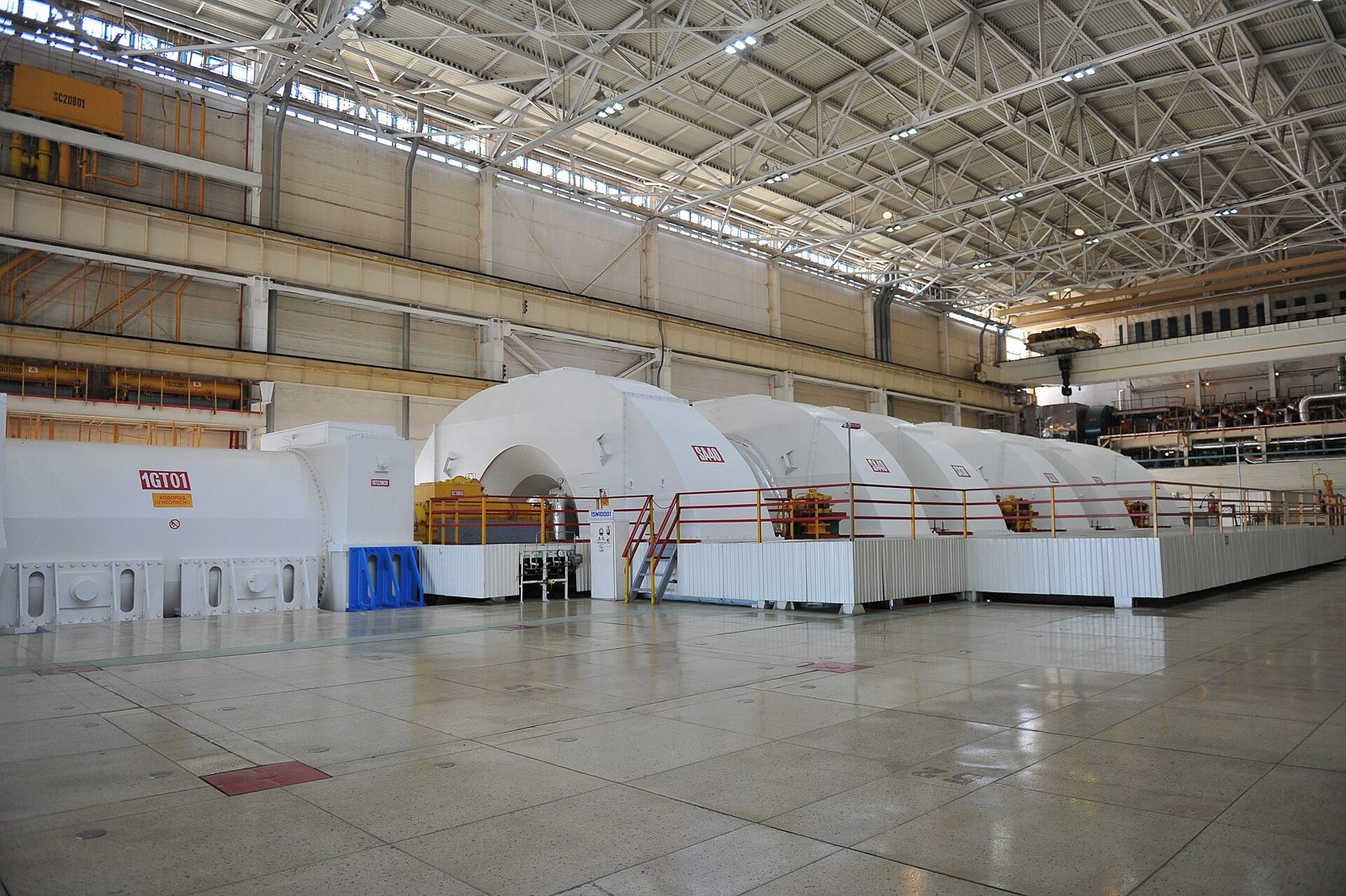
What is the nuclear industry?
The nuclear industry makes large components such as reactor vessels and steam generators, builds power plants, and after completion manages system water and equipment through long operation. Safety-related parts must withstand high temperature, pressure and radiation for decades of operation, so material history and defect control follow them from start to finish. The flow runs from large ingot forging, precision machining and stainless cladding to system water quality management, so forging release, cutting lubrication, low-residue cleaning, inspection aids, corrosion inhibition and water treatment span both manufacturing and operation.
The first question in choosing chemicals for nuclear is what remains. Chlorine and sulfur left in the system come back over time as cracking and pitting, and heavy metals become activation products that raise system radiation levels. So along with performance, ingredient limits and residue behavior, waste treatment routes and lot-level history must be documented. Nuclear is an industry that moves by written procedure, so even changing one product requires collaboration that prepares documents and validation together.
- Yearly direct corrosion cost of US nuclear power$4.2B
- 01
Material forging and primary machining
Large ingots for reactor vessels and steam generators are pressed and forged at high temperature into initial shapes. Release agent left on surfaces leads to defects. Choose products by lubrication and cooling, high-temperature residue and lot history.
- 02
Precision machining
Forged and formed parts are cut, ground and lapped to drawing specifications. Chlorine and sulfur from machining fluids still show in residue tests after cleaning. Choose machining fluids by cutting performance, halogen and sulfur content and batch test certificates.
- 03
Welding and cladding
Piping and vessel joints are welded, stainless overlay is applied and stress relief heat treatment follows. Beads oxidize where back purge gas is interrupted. Choose auxiliary chemicals by spatter and oxidation prevention and welding code compliance.
- 04
Non-destructive testing such as penetrant testing
Defects on welds and key part surfaces are checked by penetrant and ultrasonic testing. Leftover inspection fluid itself becomes a contamination source. Choose inspection chemicals by defect sensitivity, chlorine and sulfur limits and procedure listing.
- 05
Hydrostatic testing
Piping and vessels are filled with water and pressurized to confirm pressure integrity. Chloride ions in test water trapped in pipe crevices or weld roots start pitting and crevice corrosion. Choose chemicals by corrosion inhibition, pH holding and test water quality.
- 06
Final part cleaning and drying
Cutting fluid and metal fines are removed from finished parts, which are dried under humidity control. Parts that oxidize during drying come back at final verification. Choose cleaners and rust preventives by cleaning power, ionic residue and flash rust control.
- 07
Rust protection and packing for long-term storage
Parts are given rust protection and packed to withstand inventory storage until they enter the plant site. Rust that starts where packaging tears returns as claims at delivery. Choose rust preventives by protection period, residue limits and lot traceability.
- 08
Cleaning before delivery to site
Contamination, rust and soil that entered piping in transit are removed just before entry. Leftover foreign matter contaminates the coolant directly. Choose a cleaner by cleaning power, halogen and heavy metal limits and fit with radiation controlled area entry procedures.
- 09
Pre-operational chemical cleaning by system flushing
Weld scale and metal oxides inside installed piping and equipment are removed by system flushing. Poor neutralization corrodes piping. Choose a cleaner by dissolving power, material compatibility and waste treatment route.
- 10
Primary reactor coolant system water chemistry
Boric acid concentration, pH and dissolved hydrogen in reactor coolant are adjusted to manage reactivity and corrosion together. A drifting boron-lithium balance puts system pH out of the target range. Choose chemicals by purity, impurity limits and content that can be activated.
- 11
Secondary steam generator system water chemistry
Corrosion in steam generators and feedwater and condensate piping is suppressed and ions and corrosion products are removed. Oxygen and chlorine from condenser leaks concentrate in tube crevices and start stress corrosion cracking. Choose chemicals by corrosion inhibition, material compatibility and decomposition products.
Regulation and certification
10 CFR 50 Appendix B
The 18 quality assurance criteria the US Nuclear Regulatory Commission requires of nuclear power plants. Lubricants and sealants for safety-related equipment must be bought and traced under these criteria.
KEPIC
The Korea Electric Power Industry Code covering design, manufacture, testing and inspection of power plant equipment. Materials and consumables for nuclear plant equipment must meet both KEPIC and the plant's purchase specification.
10 CFR Part 21
The US regulation on reporting defects and noncompliance that could affect nuclear safety. Commercial-grade items used in safety-related service must first go through commercial-grade dedication as defined under it.
Nuclear Safety Act
The Korean law governing the construction, operation and radiation safety of nuclear facilities, overseen by the Nuclear Safety and Security Commission. Lubricants and cleaners for nuclear plants are supplied within the plant's quality assurance procedures under it.
FAQ
Can't general industrial cleaners be used on nuclear parts as they are?
They often run into ingredient limits. Materials that touch coolant have upper limits on chlorine, fluorine and sulfur, and general industrial formulations commonly use these for cleaning power or rust protection.
Safety data sheets often state content only as a range, which is not enough to confirm limits. So in nuclear, the usual method is to obtain chlorine, fluorine and sulfur content on batch test certificates and keep them as records, and if values vary by lot even under the same product name, procedure requirements become hard to meet.
Chlorine was detected in a residue test. Will more cleaning solve it?
More cleaning cycles sometimes lower it, but without finding the entry path it tends to repeat. Chlorine can come in from several places: machining fluid, cleaner, rinse water and packaging.
Chlorine often reattaches somewhere rather than being cleaned away, so narrowing the path gets results faster. Rinse water quality, batch content of machining fluid and packaging composition are the three common culprits, and if any one of them varies by lot, test results vary too even with more cleaning.
Pipes rust inside after hydrostatic tests. Should we add inhibitor to test water?
Inhibitor can delay it, but if draining and drying are the cause, it tends to come back. Where water remains at low points or blocked spots, inhibitor concentration drops and rust starts there.
Marking where rust appeared shows where to act. If it gathers at low points and the ends of drain paths, draining and drying procedures are the issue; if it appears evenly, test water quality and residence time are likely. Shortening residence time is sometimes less work than raising inhibitor.
Are chemical management standards different for Q-class and general items?
In practice they are often run differently. Q-class involves suppliers registered in the quality assurance program and procedure records, so the document system sometimes becomes an issue before product performance.
If both classes are handled on the same line, physically separating materials is safer for traceability. With Q-class, any record of operating differently from procedure puts the whole lot in question, so sites that separated storage locations and issue records from the start had less to trace back later.
How are chemicals for radiation controlled areas different from general sites?
A separate procedure registers the list, composition and recovery plan before entry. Chemicals left over after use in the area and even wipes are subject to recovery, so ways to reduce usage are often reviewed first.
Container size and whether the product can be portioned also weigh heavily in the procedure. Products available only in large drums make leftover contents and containers subject to recovery, raising the burden, so with similar performance, products available in small packs are easier. If a product not on the entry list must be brought in urgently, registration starts over.
Parts in long-term storage show pitting. Should we change rust preventives?
Changing products sometimes helps, but if the storage environment is the cause, it tends to repeat. When warehouse humidity rises and falls, condensation forms inside packaging and pitting remains where the water dries.
When changing rust preventives, upper limits on residual ingredients and lot traceability data come into play along with protection period. Nuclear parts often cannot have a separate removal step added after opening, so the choice narrows to residue-free types, and without a system for receiving and keeping lot test certificates, adoption can be delayed even when performance fits.