Customer storiesAutomotive and hydraulic precision machinist (central coolant system)
A 3-year central-sump standard kept at lower coolant cost by an automotive parts machinist
- Customer
- Automotive and hydraulic precision machinist (central coolant system)
- Industry
- Automotive Parts, Machinery & Precision Machining
- Product group
- Metalworking Fluids (MWF)
- Process · Material
- High-speed, high-pressure precision machining (central coolant system) · S45C and SCM structural steels, titanium and other hard-to-machine alloys
A precision machinist for automotive and hydraulic parts, which runs coolant through a central sump for an average of 3 years and more without change-out, set the performance of its premium chlorine-free coolant as the pass mark for any replacement. Most candidates failed on bio-stability, cleanliness or odor. A semi-synthetic microemulsion met every key item, kept shop-floor satisfaction where it was and brought the unit price down to a realistic level.
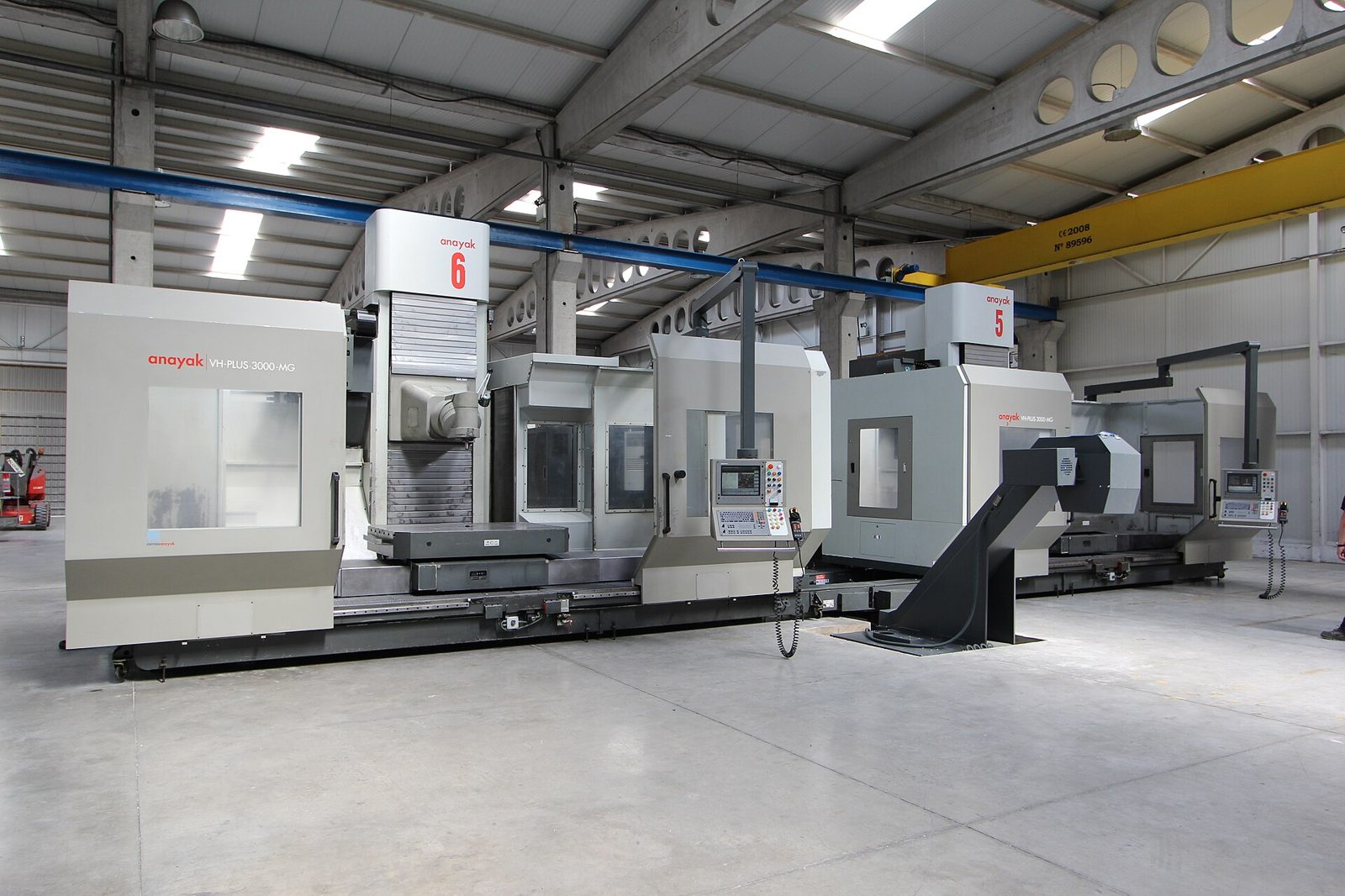
The customer machines precision parts for automotive and hydraulic applications. On lines that repeat high-speed, high-pressure cutting, it has always treated coolant stability as a basic condition of process quality. The shop runs a central coolant system and circulates the same coolant for an average of 3 years and more without change-out. Its materials run from structural steels such as S45C and SCM to hard-to-machine alloys such as titanium, so one coolant has to serve them all.
Its coolant history is clear. It began with a chlorinated water-miscible fluid, moved to chlorine-free products for the sake of machine protection and working conditions, and its most recent premium chlorine-free coolant scored well with the shop floor on bio-stability, rust protection, cleaning power and odor. For this company coolant is not a consumable but a process resource run over years. Where long life is the baseline, the properties of the coolant chosen at the start shape process quality for years.
The standard the customer set was the current premium product's level, kept as the pass mark. A replacement had to stay sanitary, with no early spoilage, through 3 years and more of circulation, foam little even under high-pressure delivery and leave no staining or loss of gloss on parts after machining. It could not have a strong odor, and it had to perform consistently with one coolant from S45C and SCM to titanium. The target was to hold that standard while bringing the unit price to a realistic level.
The challenge: finding a replacement that matches a premium coolant
With the economy slowing and cost pressure persisting, the company needed to review a replacement that would keep the same quality at a realistic unit price. Its premise was performance, not price. Several competing products were tested, and most were dropped because they fell short on one of bio-stability, cleanliness or odor. The bar was high because coolant here is a resource that, once chosen, stays for years.
"On unit price alone there were plenty of candidates. But run them for about a month and every one had something, a smell or parts not coming out as clean. We're using it for 3 years, so that one thing mattered."Production engineering manager, customer
The customer asked us to review a replacement that would keep the quality of its premium chlorine-free coolant at a realistic unit price. What it needed was not a cheaper candidate but one that would pass the 3-year circulation standard. So before looking at candidates, the customer and our team set out to define the pass criteria.
The solution: choosing on fluid that has circulated, not on fresh fluid
From week one to week three, the customer and our team mapped the central-sump circulation, the high-pressure delivery conditions, the material mix and the items the current premium product satisfied. Written down item by item, those became a pass list: bio-stability, rust protection, cleanliness, odor, foam under high-pressure delivery, staining and gloss by material, and stability in long storage. Laying the failed candidates against it showed a pattern: most passed short tests, then fell behind on bio-stability or odor after several weeks of circulation.
A central system has many machines sharing one large coolant circuit, so the large volume keeps concentration and temperature steady, but once the balance tips, every line feels it. Of the three kinds of stability that make 3-year circulation possible, the first is microbial stability. Coolant contains oils and organic components that bacteria and fungi can feed on, return flumes and stagnant zones readily grow biofilm, and tramp oil leaking from hydraulic equipment adds to the food supply. As microbes multiply, organic acids pull the pH down, rust protection weakens and odor appears. Dosing biocide continuously raises operator exposure and the wastewater burden, so a formulation that holds pH through its own chemistry suits long-term operation better.
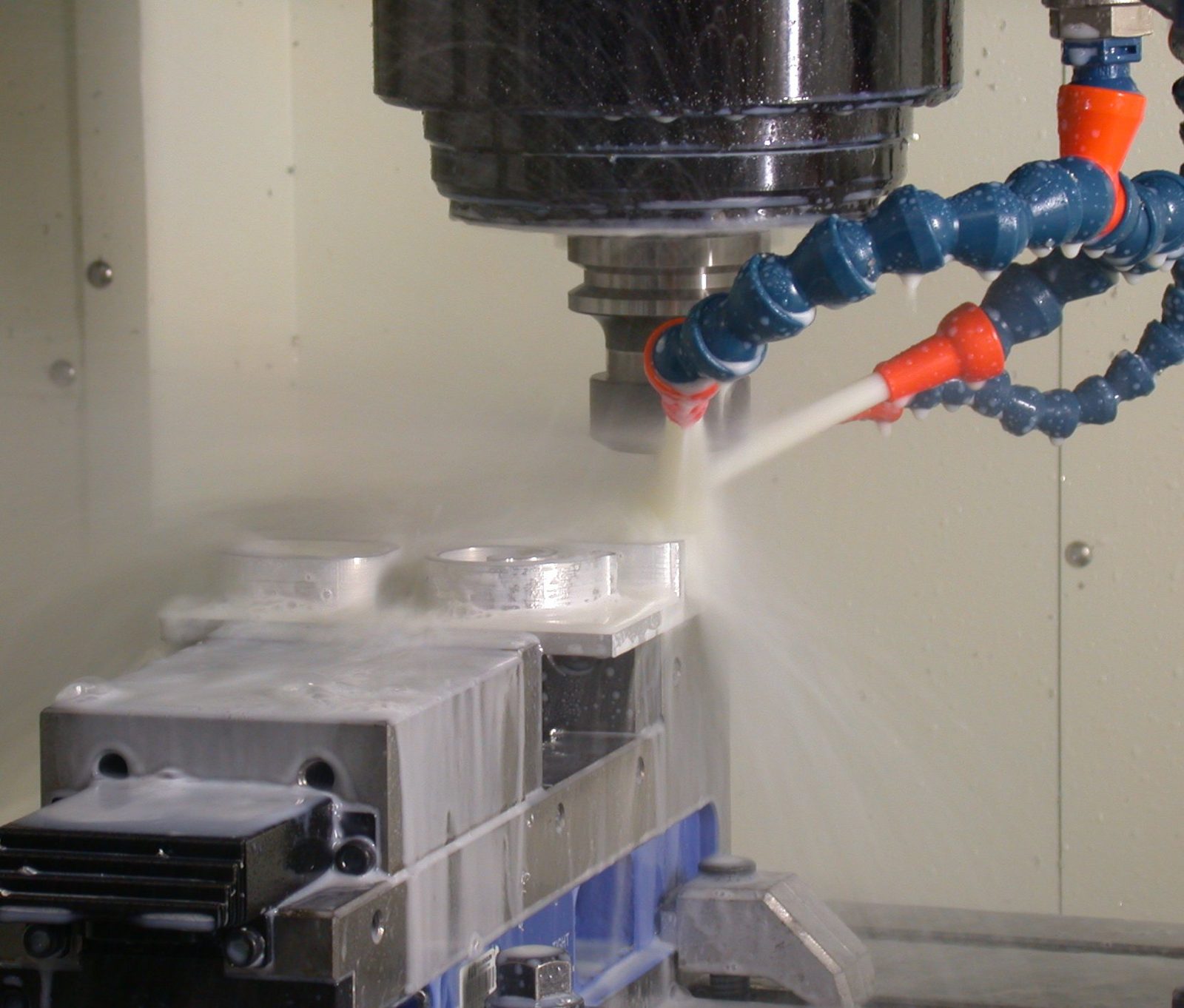
The second is emulsion stability. Oil droplets in a conventional emulsion are several micrometers across, which makes the fluid look milky, and over time hard-water ions and tramp oil break them, whereas a microemulsion has droplets below 0.1 micrometer, is translucent and thermodynamically stable, and is far less disturbed by hard water and tramp oil. Small droplets also carry cooling and lubricating components more easily into the narrow gap between tool and workpiece. The third is foam and residue under high-pressure delivery: high-pressure jets entrain air that a surfactant-rich fluid turns into foam, troubling pumps and tanks, and the film a fluid leaves as it dries on a part causes staining and loss of gloss. Where chlorine-sensitive materials such as titanium are in the mix, chlorinated components must be excluded from the start.
So the criterion became not "performance of fresh fluid" but "performance after long circulation". We sorted the candidates by working principle: whether they relied on biocide or held pH through formulation, whether they were conventional emulsions or microemulsions, and what EP and restricted components they contained. From week four to week six, bench tests checked foaming, staining and gloss by material, and stability in long storage.
The choice was a chlorine-free semi-synthetic microemulsion built for long service life. It holds its life without biocide, and its working-solution pH is 9.3–9.6 according to product data, slightly above the previous product's pH of around 9. It excludes nitrite, chlorinated and sulfurized EP additives, phenol and triazine, a wider exclusion than the previous product, which left out chlorinated EP additives. In testing it showed no change in properties in long storage at working concentration, gave little foam and little residual staining under high-pressure delivery, and performed consistently from S45C and SCM to titanium.
Adoption: from a single-sump trial to the central system
Because a central system changes all at once, the shop-floor trial ran first on a machine with its own sump, from week seven to week fourteen. For about two months it logged pH and concentration trends, odor, part cleanliness, foam under high-pressure delivery and operator assessment, and checked them against the pass list. Bio-stability, cleanliness and odor separate only after several weeks of circulation, so this period was the test of fluid that had run a long time.
The central sump changed over in month four. The system was cleaned and then charged with the new coolant. Working concentration stayed in the same control range as before, so the way the shop manages concentration did not change.
The results: a 3-year circulation standard held at a realistic price
Reviewed from month ten on, bio-stability, rust protection, odor and the other key items all met expectations. The long-circulation standard of an average of 3 years and more was held, and this coolant passed an evaluation in which most candidates had failed at least 1 item. Low foam and little residual staining under high-pressure delivery, with appearance after machining held at the previous level, kept delivered appearance under steady control, and operators assessed the odor as not irritating.
Shop-floor satisfaction stayed at the level of the premium product while the coolant price per liter came down by about 15–25% from the previous product. Maintenance effort fell and working conditions settled, and operators and managers alike rated the change well because day-to-day operation became easier as well as performance holding. With the long-circulation standard unchanged, the process conditions submitted to the company's automotive and hydraulic customers did not need to change either.
"On the floor you could barely tell we'd switched. Same smell, parts just as clean. That's exactly what we wanted."Machining line manager, customer
What's next: reading the 3-year trend from monthly logs
The customer and our team are looking at logging central-sump pH, concentration and bacteria counts monthly so trends across the 3-year circulation can be read in advance. They are also reviewing operating rules for separators that reduce tramp oil leaking in from hydraulic equipment. Once top-up and purchase volumes for the first year after changeover are in, they plan to compare annual coolant spend, not just price per liter, side by side with the same period before the change. The same records will also serve as the basis for deciding on change-out when the 3-year circulation ends.