Customer storiesPrecision bearing parts manufacturer
A bearing parts maker matched its alcohol cleaning with a water-based biological cleaner
- Customer
- Precision bearing parts manufacturer
- Industry
- Automotive Parts, Machinery & Precision Machining
- Product group
- Cleaning & Surface Prep
- Process · Material
- Post-grinding parts cleaning · SUJ-2 bearing steel
A precision bearing parts maker grinding SUJ-2 bearing steel set out to replace its long-standing alcohol cleaning without losing any cleaning power, while removing the fire risk and solvent exposure. A VOC-free, mildly alkaline water-based cleaner that uses microbes as its active ingredient, tested against alcohol by the same method, matched it on residue removal, and the same product now also cleans machines and floors.
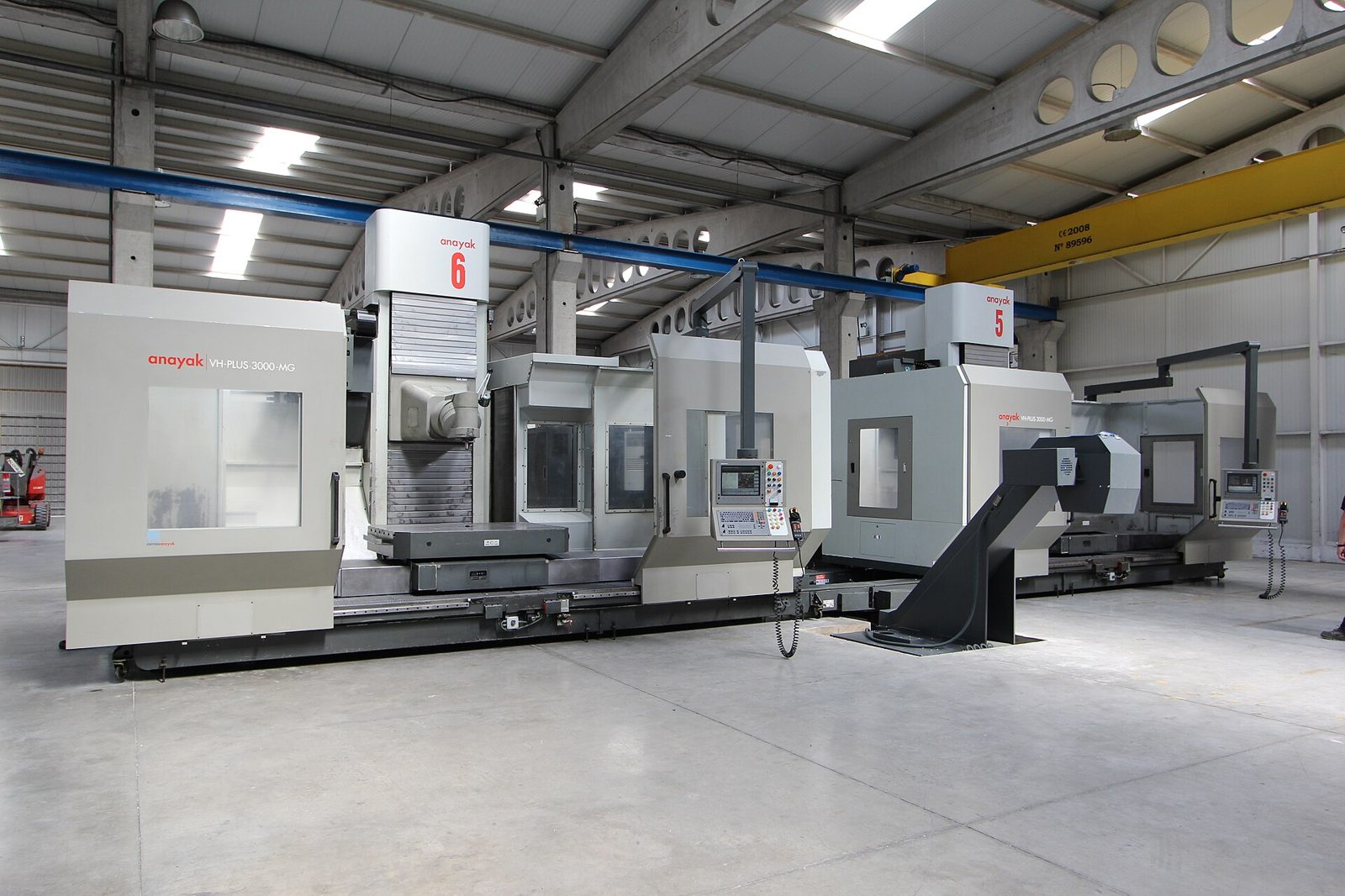
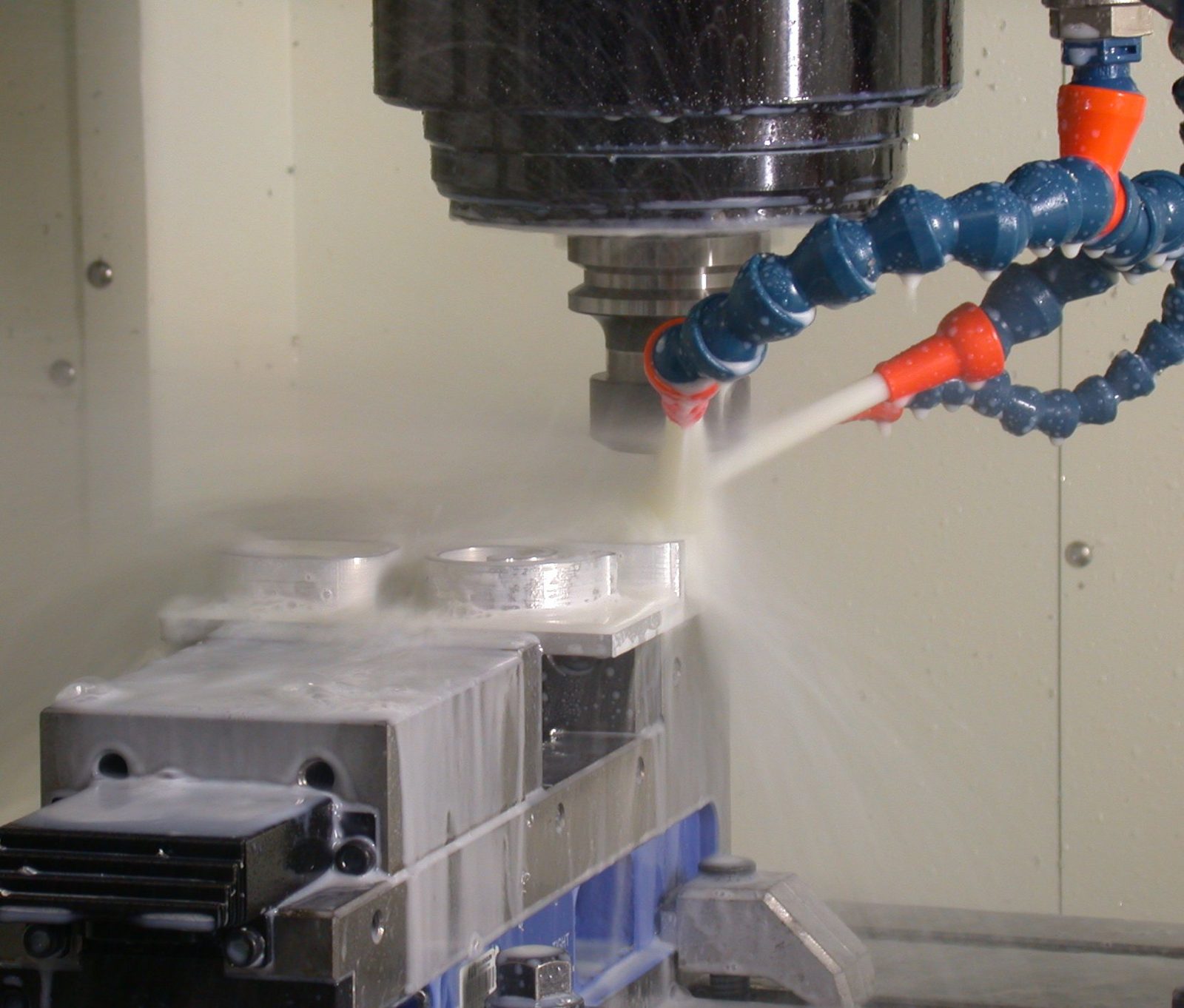
The customer makes precision bearing components by grinding SUJ-2 bearing steel to the micron. Grinding is the step that sets dimensional accuracy and surface finish. It uses a lot of fluid for cooling and lubrication, and finished parts come off carrying a film of that fluid and fine grinding debris. If the residue goes on to inspection and assembly it can affect measurements and assembly quality, so cleaning after grinding is the gate that protects the next step.
The standard the customer set was to keep the cleaning result and remove the hazards of the cleaning method. The result had to equal alcohol, which had been the benchmark for years. At the same time the method had to lower fire risk, cut operators' solvent exposure and hold up under environmental regulation. If it could also serve general upkeep of the shop, machines and floors included, it would be a more practical choice.
The challenge: cleaning ground SUJ-2 parts as well as alcohol, without the flame
Post-grinding cleaning had always been done with alcohol. It dissolves fast, dries fast and is easy to handle, which is why it had long been the shop's reference method. Its volatility, fire risk and environmental and health burden, however, had steadily become a site-management issue. Cleaning power could not be traded away for safety. Any replacement that removed less grinding-fluid residue could let surface contamination reach the next step, so cleaning power was the first test, and nothing below the benchmark was acceptable.
“Honestly, we didn't expect it to clean better than alcohol. We said it just had to be the same. When it came out the same, there wasn't much left to argue about.”Grinding process lead, customer
In week zero the customer asked for a safe replacement for alcohol cleaning after grinding. What it needed was not another solvent that operators had to handle with care, but a cleaning method that could come off the hazard list altogether. So before looking at any product, the customer and our team set out to understand the conditions the existing cleaning ran under.
The solution: breaking oil down in water instead of dissolving it in solvent
In week one the customer and our team reviewed the cleaning on site. They looked at the cleaning method, the grinding fluid in use and the residue it left on parts, the waiting time before inspection and assembly, and how much alcohol the line consumed. Alcohol was used neat, and after cleaning the parts were simply left for it to evaporate, with no separate drying step. Cleaning power had been good enough to serve as the benchmark for years, so what had to change was not the result but the way alcohol achieved it.
Alcohol's strength is that it dissolves and then disappears. Isopropyl alcohol and ethanol have low surface tension, wet fine gaps well, dissolve both the oil and the water-soluble parts of a grinding fluid and then evaporate quickly. No water is left behind, so even on rust-prone bearing steel there is little worry about rust right after cleaning. The same properties are the hazard. With a flash point below room temperature, vapor mixed into shop air can ignite from a small spark, and everything that evaporates is both a VOC emission and an inhalation exposure for operators.
So the criterion moved from how well a cleaner dissolves to the principle by which it removes residue. We sorted the candidates by cleaning principle, not by brand. Swapping one solvent for another would leave the fire and VOC issues in place, so the search started among VOC-free aqueous methods that can remove grinding-fluid residue. The conditions were a mildly alkaline range safe for metal surfaces, a working principle that breaks down petroleum oil, and suitability for machines and floors as well.
The choice was a biological water-based cleaner that uses beneficial microbes as its active ingredient (BCL line). At pH 8.0–9.5 the mildly alkaline solution saponifies fatty residues while its surfactants lift the oil film and disperse it in water, and the microbes feed on petroleum hydrocarbons and convert them to water and carbon dioxide. According to the product sheet it carries more than 100 million CFU per gram and contains no VOC, so it handles oily soil without chemical solvents and with no fire risk. That breakdown acts mostly after the brief moment of cleaning, so it continues on the surface and in the drains after rinsing.
Moving to water does take away one thing alcohol gave for free. That thing is fast drying. High-carbon chromium steel such as SUJ-2 can show rust quickly if left wet, so instead of natural evaporation the process gained an air-blow drying step after rinsing. The evaluation was also set to cover surface condition after rinsing and drying, alongside cleaning power.
Adoption: a side-by-side test with alcohol as the benchmark
The test was designed in week two. With alcohol as the benchmark, SUJ-2 parts from the same grinding operation were split, one group washed in alcohol and the other in the new cleaner, and both were to be judged by the same method. That method was a white-cloth wipe for remaining oil, followed by a check for rust or staining after the parts had stood for a set time after cleaning and drying. Same parts and the same acceptance method are what make the shop floor accept a result.
The SUJ-2 tests ran in weeks three and four. Unlike alcohol, which had been used neat, the cleaner is diluted 1:10–1:40, stronger for parts straight off grinding with heavy soil and weaker for machines and floors, always within that range. After cleaning, parts were rinsed and air-blown dry so no water stayed on the SUJ-2 surface. Under those conditions the trial compared oil residue removal and surface condition after rinsing and drying directly against alcohol.
Applied directly to SUJ-2 parts, the cleaner removed oil residue as well as alcohol did. The shop also saw that microbes left on the surface after rinsing kept up a cleaning action. In week five, having seen the results, the site lead decided to buy straight away. After that the customer began using the same product on machine grime and shop floors as well.
The results: no alcohol drum on the floor and one cleaner for three jobs
The first change was in the cleaner itself. A VOC-free cleaner replaced alcohol, a volatile solvent, which removed the fire risk and reduced the solvent operators breathe. Oil residue removal came out equal to alcohol, so the switch was made without lowering cleaning performance. The product also did well on machine grime and shop floors, so the separate cleaners for parts, machines and floors became one product, and fewer chemicals need managing on site.
For a bearing supplier the cleaning step is both a quality record and a safety item. With no flammable solvent in use, the risk assessment and storage rules for the cleaning step became simpler. Cleaning conditions can now be stated as a dilution ratio and a rinse and dry rule, which gives the customer firmer ground when it shows its own customers how parts are cleaned.
“Next to the alcohol drum we were always telling people to watch for sparks. That drum's gone now. We clean the floor with the same stuff too, so a few cleaners came off the storeroom shelf.”Production floor manager, customer
What's next: rust protection for parts waiting after the wash
Alcohol dried so fast that a long wait after cleaning was rarely a concern. With aqueous cleaning, that waiting time bears directly on rust on the SUJ-2 surface. The customer and our team are therefore checking, season by season, whether parts that wait a long time for inspection and assembly need a short-term rust preventive or whether the drying conditions are enough.