Customer storiesHome-appliance manufacturer preparing volume production of robot-joint parts
A robot-joint parts line that stabilized 1.6mm tapping and moved to a single coolant
- Customer
- Home-appliance manufacturer preparing volume production of robot-joint parts
- Industry
- Robotics & Logistics Automation
- Product group
- Metalworking Fluids (MWF)
- Process · Material
- Face milling, drilling and tapping of 1.6mm blind holes (carbide and HSS tools) · 6000-series aluminum (new part) plus cast iron and carbon steel (existing lines)
An appliance manufacturer expanding into robot-joint components reset its metalworking fluid before volume production of a new 6000-series aluminum part. Replacing a sump that held several suppliers' products with one semi-synthetic coolant built on vegetable-derived synthetic esters, it has had no recurrence of tap breakage in 1.6mm blind holes, and concentration has held without any concentrate top-up.
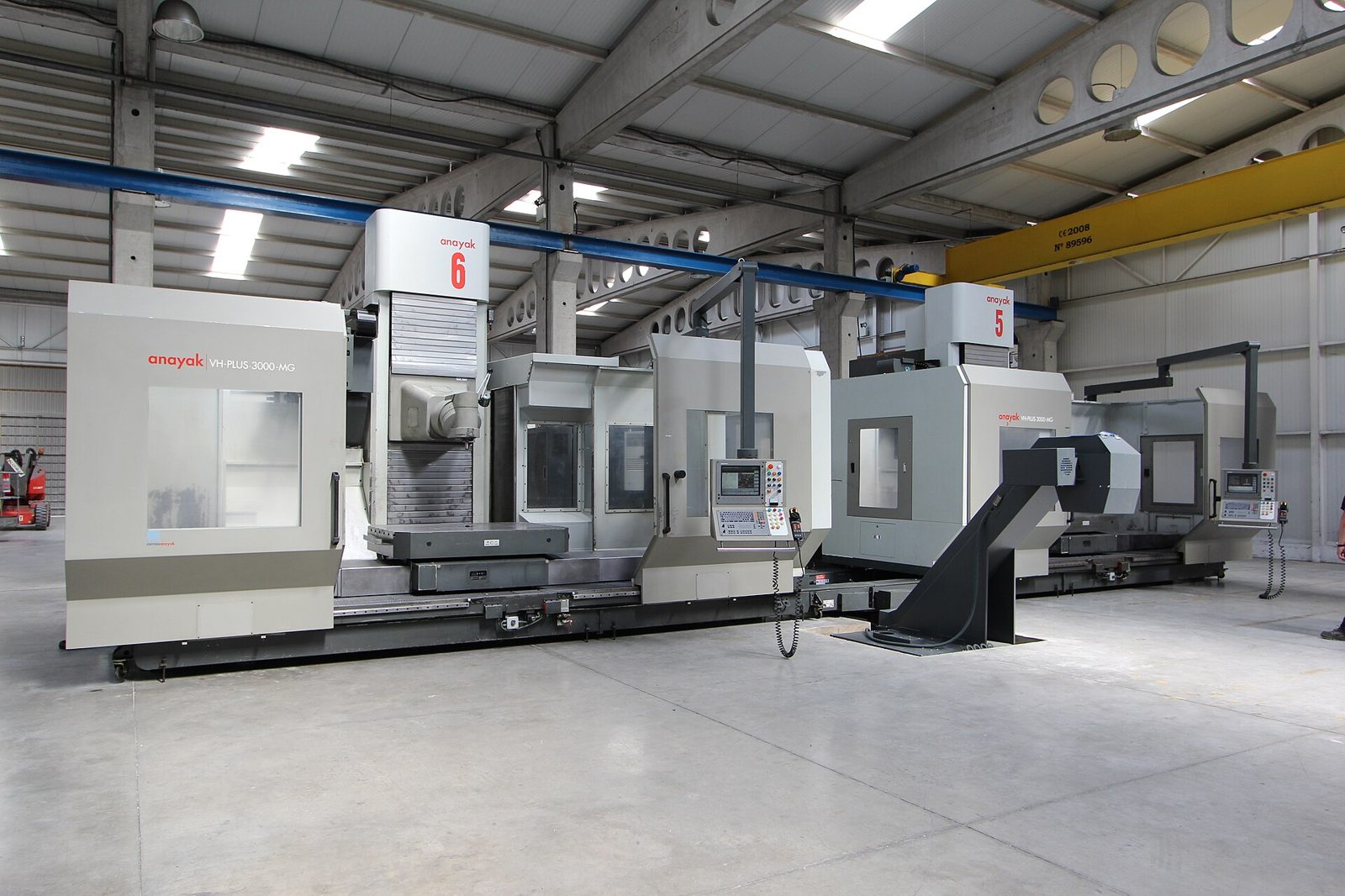
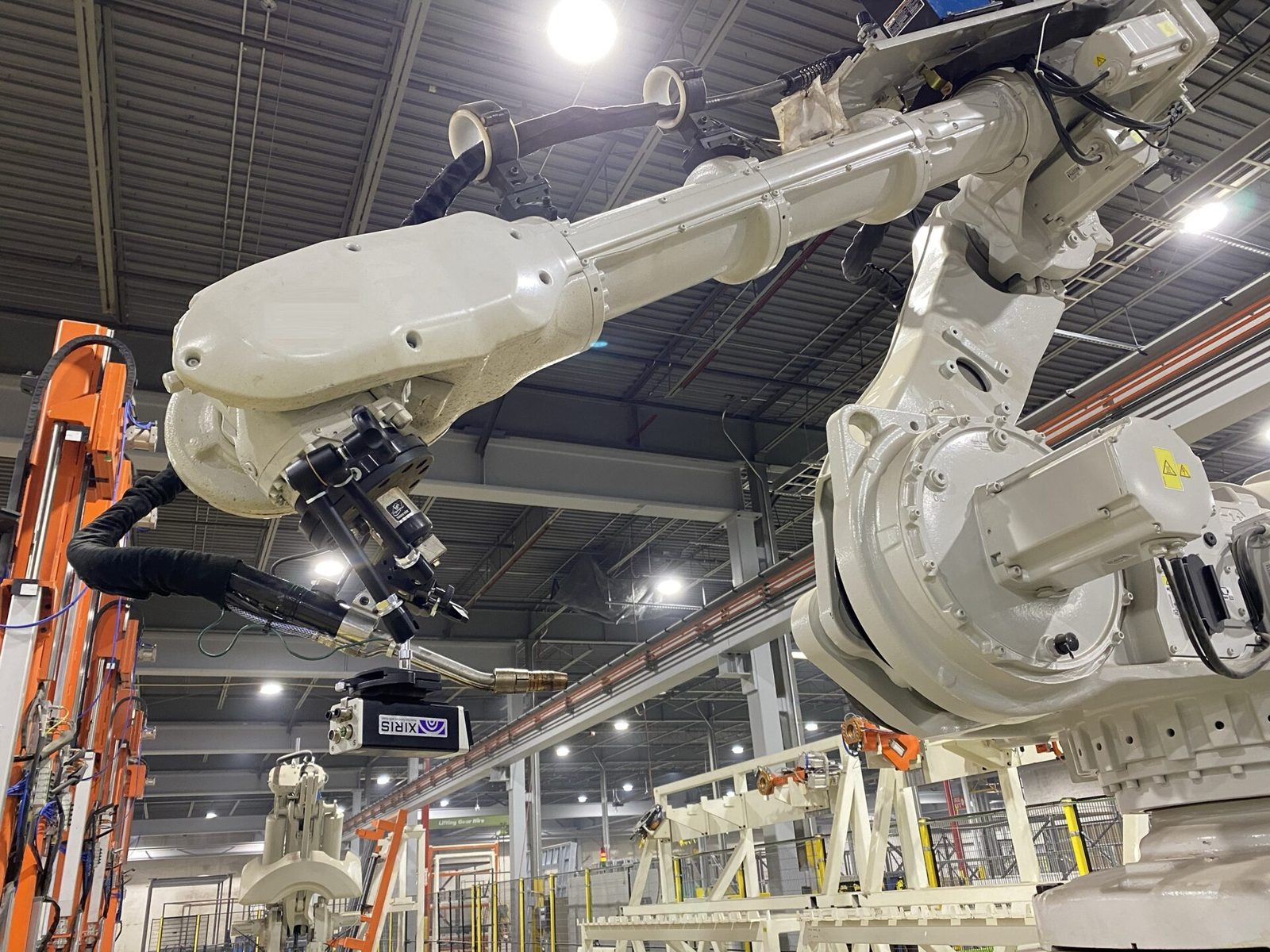
The customer makes home appliances and has long run machining lines for cast iron and carbon steel. It is now taking those machining skills into robot joints and preparing volume production of a new part that goes into them. The new part is made from 6000-series aluminum, which machines very differently from the cast iron and carbon steel on the existing lines.
The new line includes face milling, drilling and tapping 1.6mm blind holes, using both carbide and HSS tools. In a robot joint, the thread quality of a single small fastening point carries through to assembly precision and durability, so this fine tapping operation is the critical step for the new part. Material behavior and fine tapping together raised the bar for both the lubricity of the coolant and its compatibility with aluminum. The customer's standard was to settle on one coolant before volume production began.
The challenge: steadying 1.6mm blind-hole tapping on a new robot-joint part before launch
During development the customer tried the new part on the water-miscible coolant already used in its existing machines. That coolant had been running as a blend of several suppliers' mineral-oil emulsions, and its operating concentration varied by product with no clear standard. It had never been verified for the new aluminum part, and in fine aluminum tapping its lubrication could not keep up, so taps broke again and again. Adding another supplier's product made no difference, the sump kept spoiling early and smelling, and coolant kept splashing during machining.
"Every time a tap snapped we figured the lubrication was too weak and added something else. The more we added, the worse the sump got. Once it was explained that the mixing itself was the cause, it was clear we had to get down to one product first."Production engineer, customer
When changing and topping up products brought the same result every time, the customer asked for help to stabilize 1.6mm blind-hole tapping on the new part and to review a full coolant replacement. It set three criteria for the new coolant. The first was enough lubricity for fine tapping in 6000-series aluminum, with the 1.6mm blind-hole tap as the reference operation; the second was high bio-resistance to stop early spoilage, because once production starts the sump cannot be emptied often; the third was shared use with the existing cast iron and carbon steel work, running one product rather than splitting coolant by material. Since the old coolant was unsuitable for aluminum work, meeting all three with a single product was the starting point.
The solution: consolidating a mixed sump instead of adding a better product
In the first one to two weeks, the customer and our team looked at the sump condition and mixing history, concentration and pH, where taps broke and on which tools, and where coolant splashed. Breakage was concentrated in the 1.6mm blind-hole tapping, not in face milling or drilling, and broken taps had aluminum welded into their threads. The sump fluid was uneven in color and smell, with separated oil floating on top. Breakage did not change even right after another product had been added.
6000-series aluminum, alloyed with magnesium and silicon, machines well, but it is soft and ductile and tends to stick to tools. When aluminum welds onto the cutting edge it forms a built-up edge, and chips tangle between the flutes instead of clearing cleanly. In a blind hole the only exit for chips is the entrance, so chips pack between the threads, packed chips plus welded aluminum cause sudden torque spikes, and a 1.6mm tap, with its small cross-section and little torsional strength, can snap at even a small spike. In fine tapping the coolant's job is therefore less about cooling and more about boundary lubrication between thread and tool, plus the ability to penetrate a narrow hole. Polar lubricants such as esters adsorb on freshly cut aluminum and form a thin film that reduces friction and adhesion, while sulfur- and phosphorus-type EP additives work mainly in heavy-duty ferrous cutting, so in fine aluminum tapping the quality of the adsorbed film decides the result.
In a blend of several products that film is uneven. Each water-miscible coolant is built around its own balance of emulsifiers, biocide and pH buffer, and when different products are mixed the emulsion balance is upset: oil droplets grow, some oil separates, and biocide and buffer are diluted below effective levels. Bacteria multiply, pH drops, and the lower pH destabilizes the emulsion further, a self-reinforcing loop. The smell from a stagnant sump is the visible end of that process, and along the way the lubricating components break down or separate, so the film reaching the tool changes from one moment to the next. That is also why every product added for better lubricity left the blend more mixed.
Tap breakage and early spoilage, in other words, were not separate problems; both came from one condition, a blend whose emulsion and lubricant film could not stabilize. So the comparison question changed from "which product lubricates best" to "can a single product protect both fine aluminum tapping and sump life". In weeks 3 and 4 we sorted candidates by composition and working principle rather than by brand: whether the lubricity base is mineral oil or synthetic ester, whether there is aluminum staining test data, how microbial stability is designed in, whether tramp oils such as slideway oil are rejected and float out, and whether the same sump can handle cast iron and carbon steel. A dedicated tapping oil applied separately was also considered, then ruled out because it would become one more source of mixing in a water-miscible sump.
The choice was a semi-synthetic water-miscible coolant that combines EP components with a lubricity-enhancing design. Its lubrication system is based on vegetable-derived synthetic esters, which build an even film where aluminum and ferrous work share a sump, and its biostable design keeps the emulsion in service for a long time. Good detergency and tramp-oil rejection take away the burden that came from running a blend. On 6061 aluminum at 5% and room temperature for 15 hours, it causes no staining.
Adoption: an emptied sump and one coolant at around 5%
In week 5 the sump and lines were drained and cleaned so that none of the old blend remained, and a fresh charge was mixed. Leftover old fluid would have started the new emulsion from the same broken balance. Concentration was set to run around 5%, matching the aluminum staining test condition. Refractometer concentration and pH are read and logged regularly, and no other products are added any more.
The changeover took place in late August 2026. The new aluminum part and the existing cast iron and carbon steel work started on the same coolant together. The operating concentration, which had varied by product with no clear standard, now has a single target.
The results: two months without top-up, and taps that hold
By October 2026, about 2 months after the changeover, the first visible change was that concentration had held although no concentrate had been added since the first charge. Before, the sump had been kept going by adding other products. The team reads this as strong bio-resistance holding down fluid consumption. With tapping in 6000-series aluminum now stable, the repeated 1.6mm blind-hole tap breakage that poor lubrication caused before the change has not recurred.
Running alongside the existing cast iron and carbon steel work has caused no problems, so a sump that once held several suppliers' products now machines aluminum plus cast iron and carbon steel on one product. Smell from early spoilage and the coolant-management burden are trending down, and splash during machining has dropped noticeably. About two months is not long enough to judge long-term fluid life, and that is still being watched.
With the critical operation for the new part stable before volume production, the customer could set a firm schedule again for production preparation that tap breakage had been holding back. Supplying robot builders often means showing process stability on record before series production. The logs from this period double as quality evidence.
"We hadn't added any concentrate and the reading stayed put, so at first I thought the refractometer was broken. We haven't snapped a tap since, and nobody talks about the smell any more."Machining line foreman, customer
What's next: fluid life and 1.6mm tap life at production volumes
What exists so far is a two-month record. The customer and our team are checking monthly whether concentration and pH keep the same pattern once production volumes rise. They are also looking at logging 1.6mm tap life by part count to set a tool-change rule.